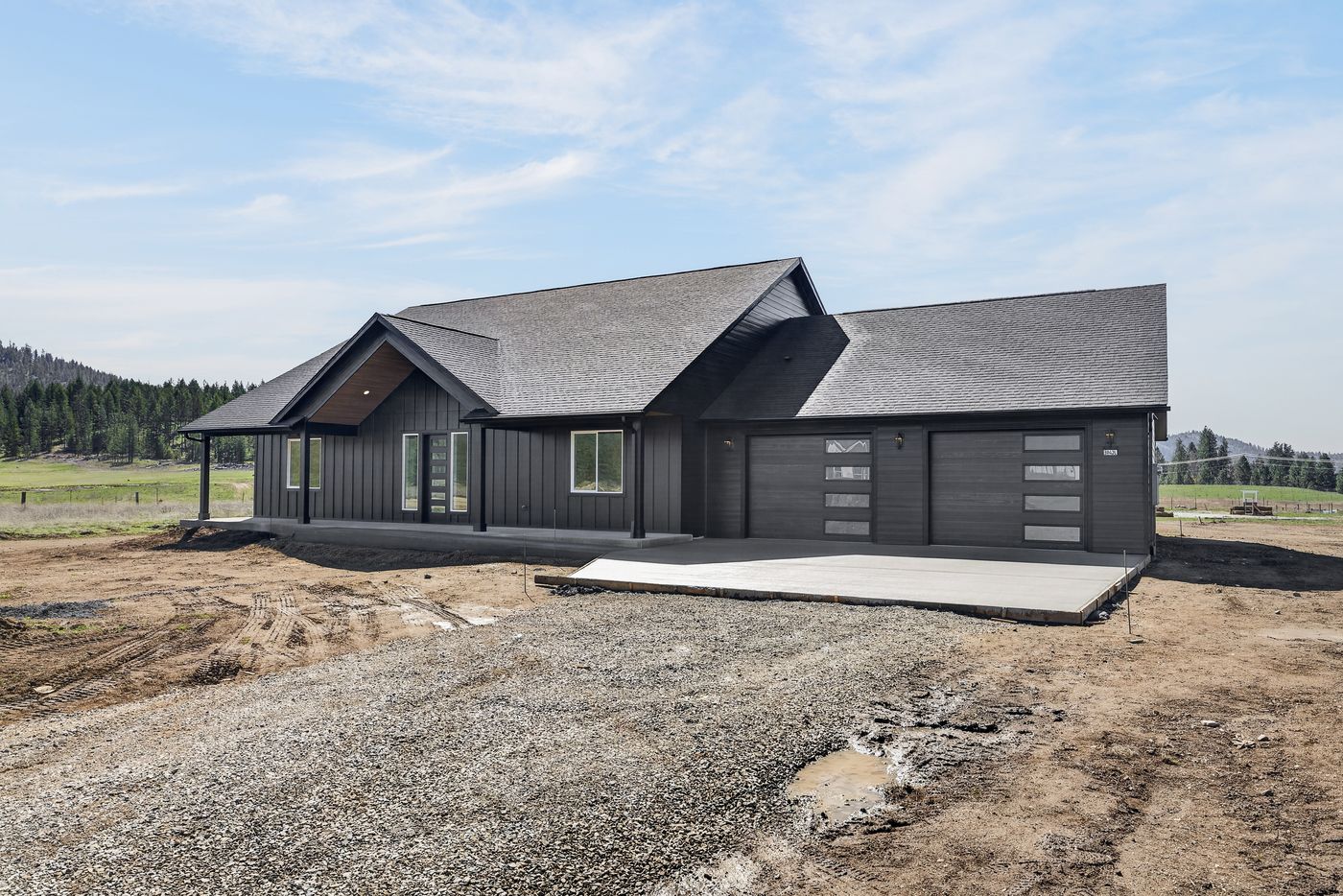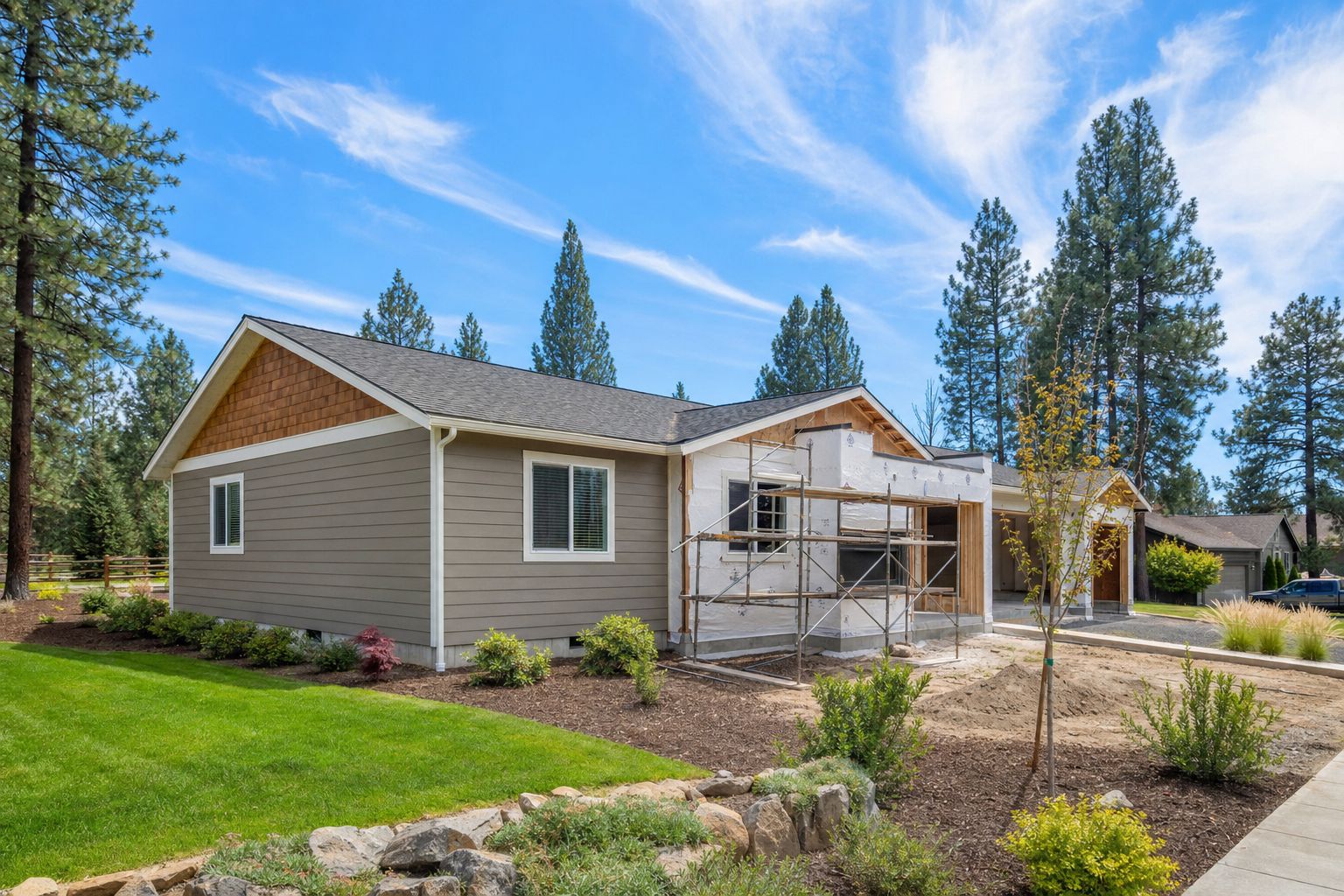

Siding Installation & Replacement in Medical Lake, WA
Siding replacement in Medical Lake, WA: century homes, fire-aware rebuilds, open-plains exposure. Hardie Preferred contractor. Free estimates.
$1,000 Off
Your Complete Siding Replacement
Get a Free Estimate
FREE same-day estimates on all exterior projects.








Medical Lake was a resort town before it was anything else. By the 1890s people were riding out from Spokane to take the lake's mineral water, and the hotels, boarding houses, and cottages that grew up around the shoreline laid down the street grid the old town still sits on. Some of the frame houses on those blocks date to that era — which means some of the walls we get called to look at have stood through more than 130 winters of West Plains weather.
That long history is the first thing shaping siding work here. The second is recent: since the Gray fire moved through parts of the surrounding area in 2023, homeowners across the West Plains ask about exterior materials differently, and the question of what burns and what doesn't now comes up at most estimates. Domex Construction re-sides homes throughout Medical Lake under Washington license DAVYDCI833NC — the old core, the mid-century blocks, and the newer streets alike.
Re-Siding the Old Town Blocks
A house built in 1900 rarely wears one layer of siding by now. The typical old-town wall carries original cedar drop siding or shiplap, an asbestos-cement shingle layer added mid-century, and vinyl stretched over both sometime in the last thirty years. Each layer was somebody's cheaper alternative to a tear-off, and each one buried the wall's problems a little deeper.
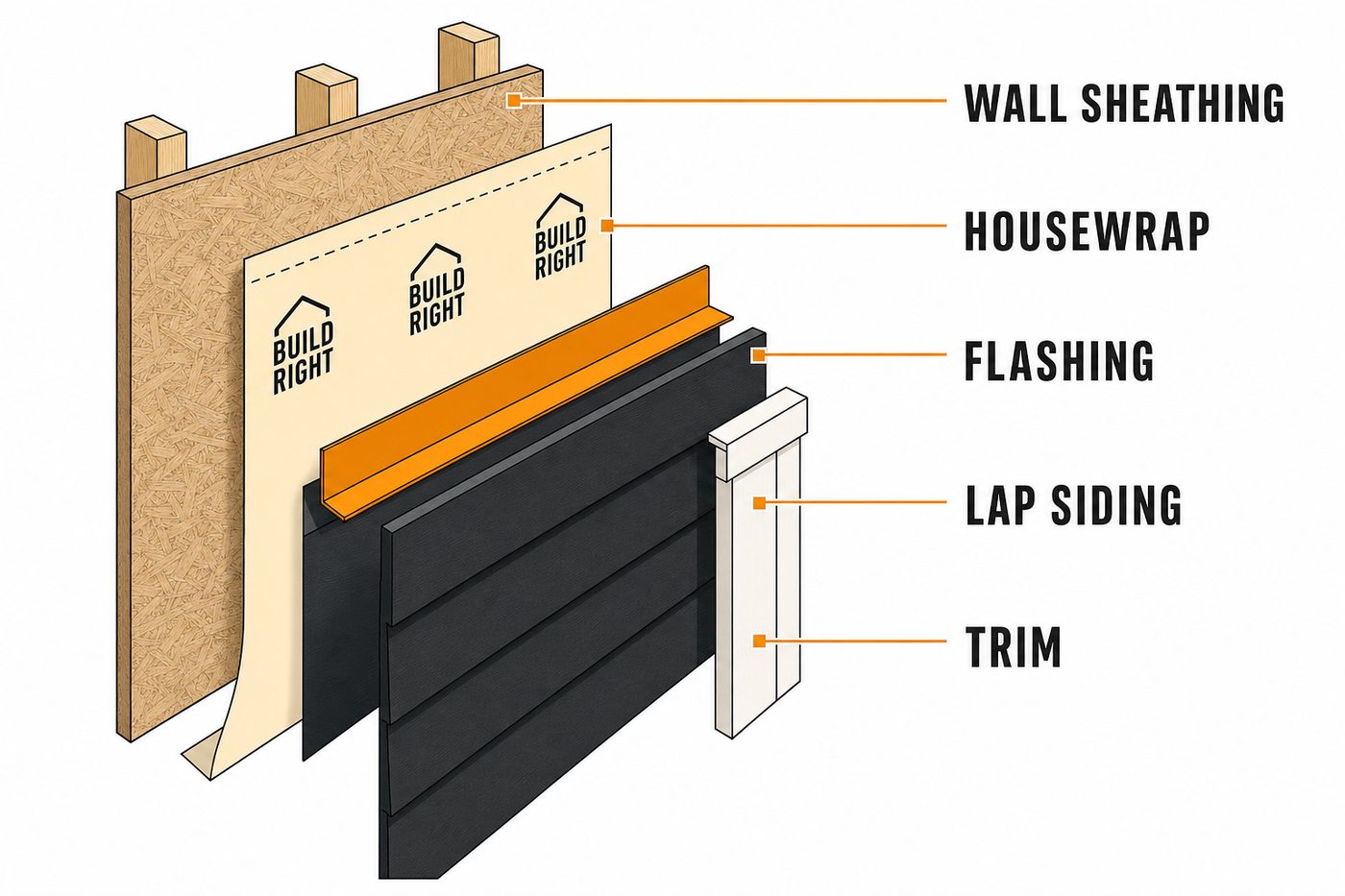
Peeling all that back is where the unknowns live. Houses of this age often have board sheathing with gaps, no weather barrier of any kind, and window openings that were never flashed because flashing tape didn't exist. Sills rot quietly under three layers of cladding for decades before anyone sees it. So we probe walls during the estimate — bottom courses, under windows, behind downspouts — and we write substrate-repair contingency terms into the spec instead of letting hidden rot become a mid-job argument. If a suspect shingle layer might contain asbestos, we get it tested and follow Washington's handling rules; that gets sorted before demolition, not discovered during it.
These walls are also seldom flat or plumb. Part of a proper re-side on a century home is furring and shimming so the new plane reads straight — fiber cement telegraphs every hump.
Building Back With Fire in Mind
The 2023 Gray fire is part of this region's recent story, and we bring it up only because it changed how people here choose materials — a change we think is rational, not reactive. Rebuilt homes went up with ignition-resistant exteriors, and now owners of untouched houses are making the same choice when their siding comes due anyway.
The physics are worth understanding. Houses in a wildfire mostly ignite from embers, not from a wall of flame — embers landing against combustible siding, packing into vents, or catching debris where cladding meets the ground. Fiber cement is non-combustible, which removes the wall itself from that equation. But the material is only half of it. Ground clearance at the bottom course, metal flashing where a deck meets the wall, sealed penetrations, and ember-resistant venting are installation details, and they cost little when they're planned into a re-side from the start. We build them in as standard practice on open-exposure lots.
Wind, Sun, and Drifted Snow on the Newer Streets
Medical Lake's mid-century blocks and its modest newer development share a different problem set: raw exposure. There's not much between these houses and the horizon, and the wind that crosses the West Plains arrives with a running start.
On builder-grade vinyl, that shows up as courses rattled loose from their locks, panels cracked at fastener heads during cold snaps, and the chalky, faded south and west faces that this region's strong sun produces. Snow adds its own pattern — open ground lets it drift, and a drift parked against a north wall all winter wicks meltwater into any siding with an appetite for moisture. When we inspect a 1970s ranch or a 2000s build here, those three signatures — wind fatigue, UV wear, drift-line staining — tell us most of what we need to know before a ladder comes off the truck.
Picking a Material for an Open-Prairie Lot
James Hardie fiber cement is the strongest all-around case in Medical Lake, and not just because we're a Hardie Preferred Contractor. It's non-combustible, it shrugs off UV, it doesn't absorb drift meltwater, and with the correct fastening schedule it carries a wind rating suited to unsheltered lots. The ColorPlus factory finish holds color on the sun-hammered exposures far longer than field paint.
LP SmartSide earns its place on walls that take physical abuse — it resists impact better than fiber cement and comes in long lengths that mean fewer seams on big, simple ranch walls. It's an engineered wood product, though, so where fire resistance is the driving priority, Hardie makes the cleaner argument.
Vinyl still has a lane as the budget option, and we install it well. We're simply honest about its limits here: wind works its locks over time, strong sun ages its color, and it contributes nothing on the fire question.
Where the Budget Goes
Every quote we write is a fixed number after a walkthrough, but the levers are predictable. Layer count drives tear-off labor — a three-layer old-town wall costs more to strip than a one-layer ranch, and testing or abatement of suspect shingle adds a step. Substrate repair is the wildcard our contingency terms keep transparent. Openings multiply detail work, since every window and door is a flashing assembly, and the tall two-story faces of some old-town homes add staging. Material choice moves the total in the order you'd expect — vinyl, then engineered wood, then fiber cement — with lifespan tending to run the same direction.
Five Stages, Start to Finish
- Walkthrough and probing. We check the suspect zones, count layers where we can, and talk through material logic for your exposure. Free, no obligation.
- Written spec. Product, color, trim, flashing details, and repair contingency terms on paper before you sign anything.
- Permit. Re-side work in town runs through City of Medical Lake permitting. We file and manage it.
- Tear-off and wall correction. Layers off, sheathing repaired, walls furred true, modern weather barrier and flashing installed. Most of the job's value is in this stage nobody photographs.
- Installation and final walk. Siding hung to manufacturer spec — fastening schedule, clearances, sealed joints — then a wall-by-wall review with you.
Booking and Build Time
A single-story home with one siding layer runs about a week of site work; a two-story old-town house with layered tear-off can run two or more. Wind is the local scheduling quirk — hanging twelve-foot boards in a stiff prairie gust is how panels get snapped and crews get hurt, so we watch forecasts and sequence tall or exposed walls for calmer days. Summer and early fall book earliest; getting an estimate in late winter or spring buys you first pick of install windows.
Siding Questions From Medical Lake Homeowners
Do I need a permit to re-side my house in Medical Lake?
Work inside city limits goes through City of Medical Lake permitting. Filing and inspections are on us.
Is fiber cement actually fireproof?
It's non-combustible — it won't ignite or feed a fire. No siding makes a house fireproof, because embers exploit vents, debris, and gaps. Material plus detailing is what lowers risk, and we install for both.
My house has old cement shingle siding. Is that asbestos?
Mid-century shingle siding often contains it. We have suspect material tested first; if it's positive, handling and disposal follow state rules and get coordinated before tear-off starts.
Can you side over the existing layers instead of tearing off?
On these houses we almost always advise against it. Layering buries rot, ruins flashing depth at openings, and on a century home it hides exactly the framing problems worth catching.
What holds up best against the wind out here?
Properly fastened fiber cement or engineered wood. Most wind failures we see are fastening-schedule shortcuts, not material limits — the nailing pattern matters as much as the product.
Is a 1900-era house even worth re-siding?
Usually yes — old-growth framing is often sounder than the walls' appearance suggests. If we find structural trouble beyond a re-side's scope, we say so plainly.
Licensed for Washington Work
Domex Construction has 9 years in business and 32 years of combined crew experience across the Spokane region. We're a James Hardie Preferred Contractor, licensed in Washington (DAVYDCI833NC — verifiable through L&I's contractor lookup), and fully insured. Ask about our workmanship warranty at your estimate.
From Medical Lake we serve the whole West Plains — Cheney, Airway Heights, Four Lakes — plus Spokane and the wider region.
Ready for walls that can take the plains weather? Free on-site estimates across Medical Lake. Give us a call or request an estimate online.
More from Domex in Medical Lake: Window Replacement in Medical Lake · Custom Decks in Medical Lake · Custom Home Builder in Medical Lake · Siding Installation — Spokane hub