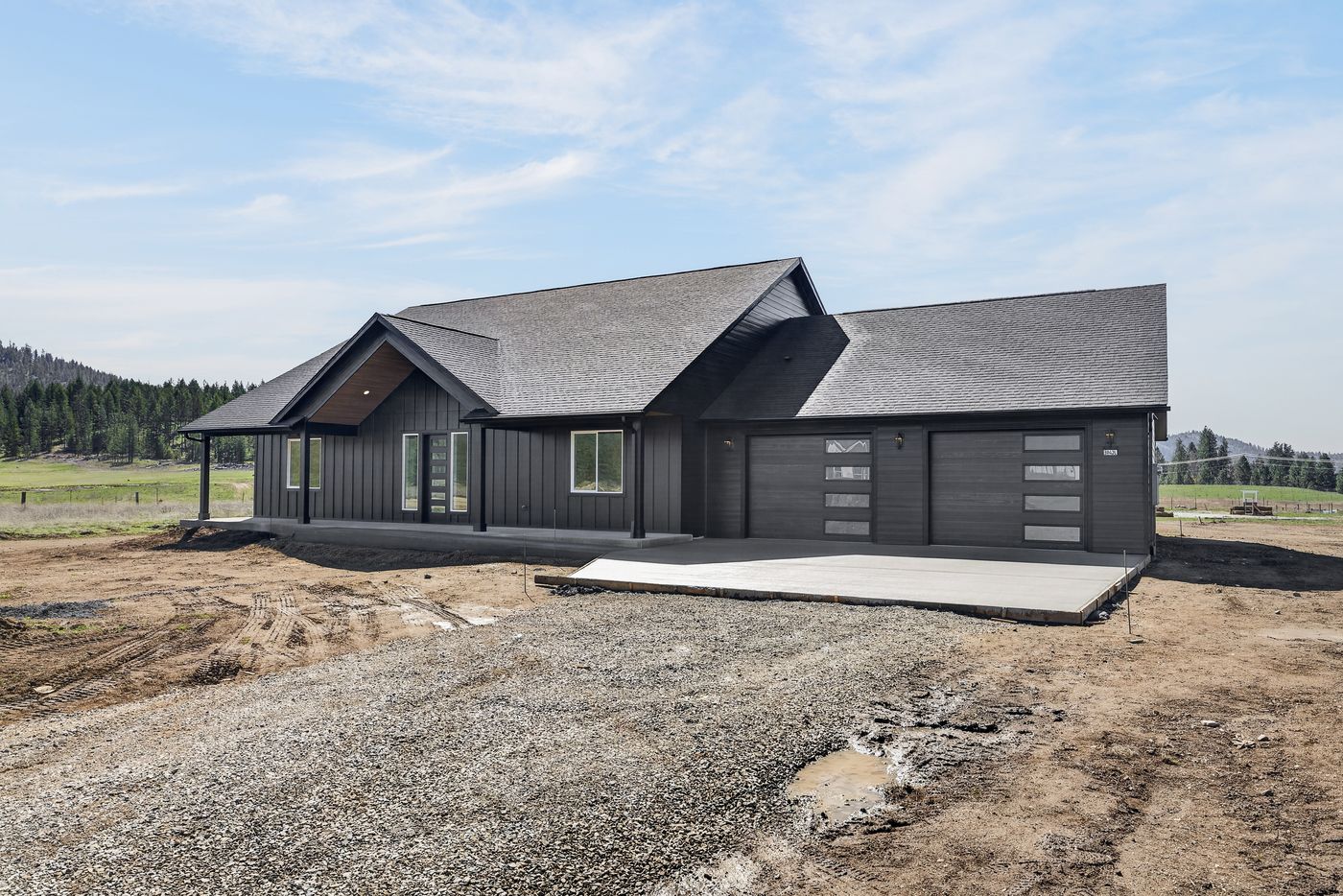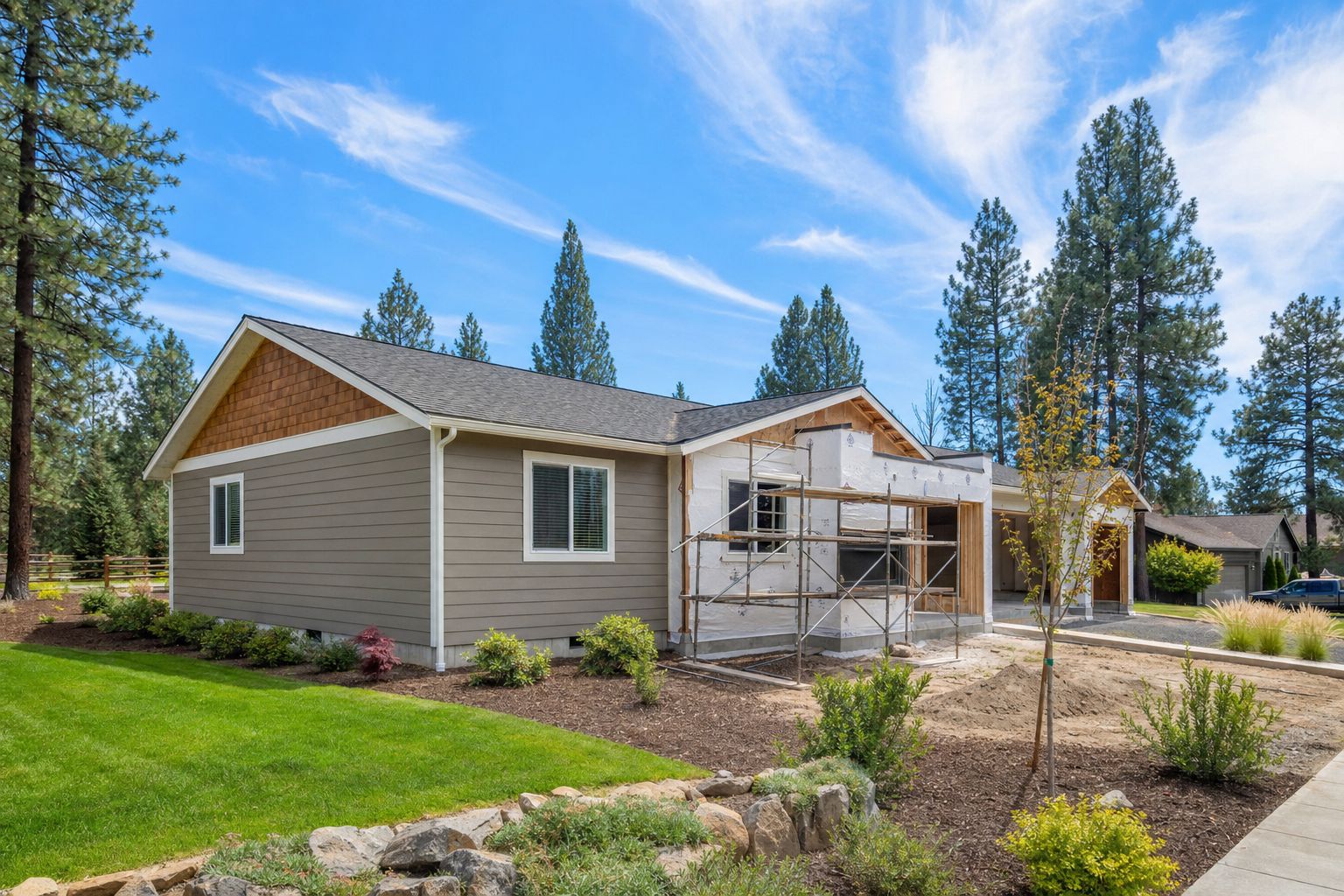

Siding Installation & Replacement in Pinehurst, Idaho
Siding replacement in Pinehurst, Idaho: Hardie, LP & vinyl installed for Pine Creek's shaded, damp walls. Free estimates, licensed ID contractor.
$1,000 Off
Your Complete Siding Replacement
Get a Free Estimate
FREE same-day estimates on all exterior projects.








The Silver Valley runs tight from Wallace down through Kellogg — houses stacked close under bare, worked-over hillsides. Then the valley opens. At Pinehurst the Pine Creek drainage comes in from the south, the floor spreads west toward Cataldo, and the trees return: fir on the slopes, shade over the yards, lawns instead of retaining walls. It's the green end of the valley, and people move here for exactly that.
The trees that make Pinehurst pleasant are also what we're usually called about. A shaded wall in a creek valley dries slowly, and siding that stays damp fails years before siding that gets sun. Domex Construction re-sides homes across Pinehurst and the west end under Idaho license RCE-66940 — we're a James Hardie Preferred Contractor, and we install LP SmartSide and vinyl where those fit the house and the budget better.
Shade Walls and Creek Damp
Two local conditions do most of the damage here, and they gang up.
First, the damp. Cold air settles onto the valley floor at night, the creek bottoms hold humidity, and morning fog hangs until the sun clears the ridges. Any siding within a couple of feet of grade takes splashback from rain and meltwater on top of that, so bottom courses in Pinehurst live wet for a good part of the year.
Second, the shade. Mountains to the south and mature trees in the yards cut direct sun to a few hours a day on many walls — and to nearly zero in winter, when snow in a shaded Pinehurst yard can sit into March, banked against the skirt of the house. A wall that never gets warm never fully dries. The tell is easy to spot: green algae film low on the north face, paint peeling on the tree side while the road side still looks fine, trim going soft where a downspout splashes. On an estimate we walk the shaded walls first, because they tell the truth about a house.
What Fifty-Year-Old Siding Does
Most Pinehurst houses went up mid-century or in the decades after — modest single-family homes on real lots, plus a share of manufactured homes. That era's exterior details are predictable, and so are the failures.
Hardboard and plywood-panel siding from those years absorbs moisture at every cut edge. In a damp valley that means swollen butt joints, mushroomed nail heads, and bottom edges you can push a screwdriver into. House wrap was often thin builder's felt or nothing at all, so once water got past the paint it reached sheathing. Window and door flashing was minimal — a bent piece of aluminum if you're lucky — which is why we so often find a rotted patch of wall directly under a window on the shade side. Carports, porch conversions, and add-on mudrooms from later decades complicate things further: the tie-in between old wall and addition is almost never flashed right, and tear-off is where that shows up. We probe the suspect areas during the estimate so the contract can carry honest rot-contingency terms instead of a mid-job surprise.
Straight Talk on Materials for a Pinehurst Budget
This is a family-and-retiree town, not a lakefront custom-home market, and our material advice reflects that. There are three honest paths.
Vinyl is a legitimate choice here, and we'll say so plainly. Modern insulated vinyl over a properly wrapped and flashed wall sheds Pinehurst's damp without absorbing any of it, never needs paint, and costs meaningfully less than the premium options. Its weaknesses are impact and heat, and on a quiet residential street with moderate exposure, those are manageable trade-offs. If the budget question is vinyl-done-right versus fiber cement someday, vinyl done right wins.
LP SmartSide is the middle path — engineered wood with real texture, tough against the dings of family life (bikes, ladders, thrown gravel), priced between vinyl and Hardie. Its requirement is discipline: every field-cut edge sealed, correct clearances at grade and roof lines. In a valley this damp, that discipline is the whole ballgame, and it's why LP jobs fail under careless installers and last under careful ones.
James Hardie fiber cement is the buy-once answer for the shade-wall problem. It doesn't absorb meltwater, doesn't move through freeze-thaw, and the ColorPlus factory finish outlasts field paint on walls that stay damp. If you plan to be in the house twenty more years, the math usually favors it.
Manufactured homes are case by case, and we mean that. Some have framing and sheathing that take lap siding beautifully and transform the house. Others have wall structures where a premium re-side costs more than it returns, and a repair or a vinyl package is the smarter spend. We'll tell you which yours is at the walkthrough — including if the answer is "don't hire us for this."
What Moves the Price
House size and wall height set the base. From there, the Pinehurst-specific variables are tear-off condition (layered siding and hidden rot add labor — our specs put contingency terms in writing), the number of openings (every window and door is flashing work), material tier as covered above, and grade details: houses close to the creek bottoms sometimes need drainage and clearance corrections at the bottom course so the new siding doesn't inherit the old siding's problem. We quote a fixed price after walking the house, not a per-square guess from the truck.
Our Process
- Walkthrough and estimate. We inspect every wall — shade sides first — probe soft spots, and check clearances at grade. Free, on site, no obligation.
- Written spec. Material, color, trim, flashing details, and rot-contingency terms on paper before you sign anything.
- Permits. In-town work runs through City of Pinehurst permitting; outlying parcels up Pine Creek or toward Kingston go through Shoshone County. We file and schedule inspections either way.
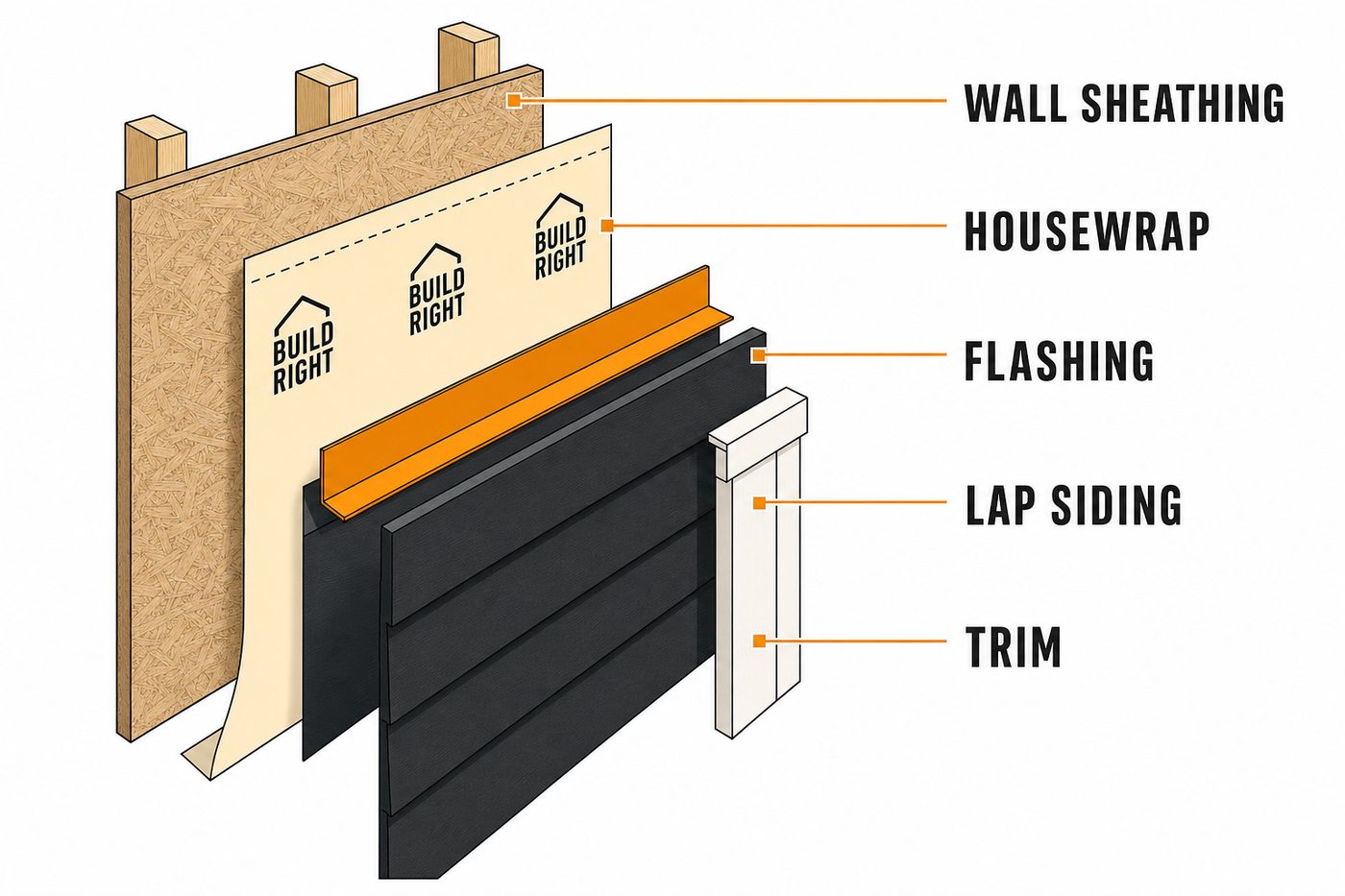
- Tear-off and wall correction. Old siding off, sheathing repaired, modern wrap and flashing installed with the clearances a damp valley demands.
- Install and walkaround. Siding hung to manufacturer spec, penetrations sealed, site cleaned, and a wall-by-wall review with you at the end.
How Long It Takes
A typical single-story Pinehurst home runs several days of actual install; add time for two stories, heavy rot repair, or additions with tricky tie-ins. Summer dates book earliest, but cold-weather installs work fine here — boards hang in any temperature, and we sequence caulk and touch-up coatings into their required temperature windows. Spring estimates get the best choice of schedule.
Pinehurst Siding Questions
Why does the tree side of my house look so much worse than the front?
Sun. Your road-facing wall dries after every rain; the shaded wall may hold moisture for days. Same siding, same age, very different exposure — and it's why we spec the whole house around the worst wall, not the best one.
Is vinyl siding a mistake in this climate?
No. Vinyl handles damp better than the hardboard it usually replaces, because it can't absorb water. The mistakes we see are installation shortcuts — missing wrap, tight-nailed panels — not the material itself.
Can you re-side my manufactured home?
Sometimes, and we'll give you a straight answer either way. It depends on the wall framing and what the home can structurally carry. When a full re-side doesn't pencil out, we say so and suggest what does.
What will you find under my old siding?
On mid-century houses here: some sheathing damage under shade-side windows and at bottom courses, more often than not. The contract carries contingency terms up front so the repair is priced fairly, not improvised.
Do I need a permit to re-side in Pinehurst?
Work inside city limits goes through the City of Pinehurst; parcels outside go through Shoshone County. We handle the paperwork and inspections as part of the job.
Should the algae and moss come off before new siding goes on?
The growth itself isn't the enemy — the moisture behind it is. New siding gets installed over a corrected, wrapped, properly cleared wall, and we'll point out the drainage or trimming changes that keep the shade side drier going forward.
Is winter a bad time for this work?
It's often a good one — shorter lead times, and the install itself isn't temperature-limited. Finish caulking and coatings wait for warm windows, which we schedule around.
Licensed for the West End
Domex Construction carries Idaho license RCE-66940 — verifiable through the Idaho Contractors Board — plus Washington DAVYDCI833NC, and full insurance. Nine years in business, 32 years of combined crew experience, and a workmanship warranty behind the manufacturer coverage on Hardie, LP, and vinyl products; ask for the specifics at your estimate.
From Pinehurst we work the Silver Valley's west end: Kellogg, Smelterville, Kingston, Cataldo, and the parcels up the Pine Creek valley.
Want a straight answer on your shade wall before it gets worse? Free on-site estimates across Pinehurst and the west valley. Give us a call or request an estimate online.
More from Domex in Pinehurst: Window Replacement in Pinehurst · Custom Decks in Pinehurst · Custom Home Builder in Pinehurst · Siding Installation — Spokane hub