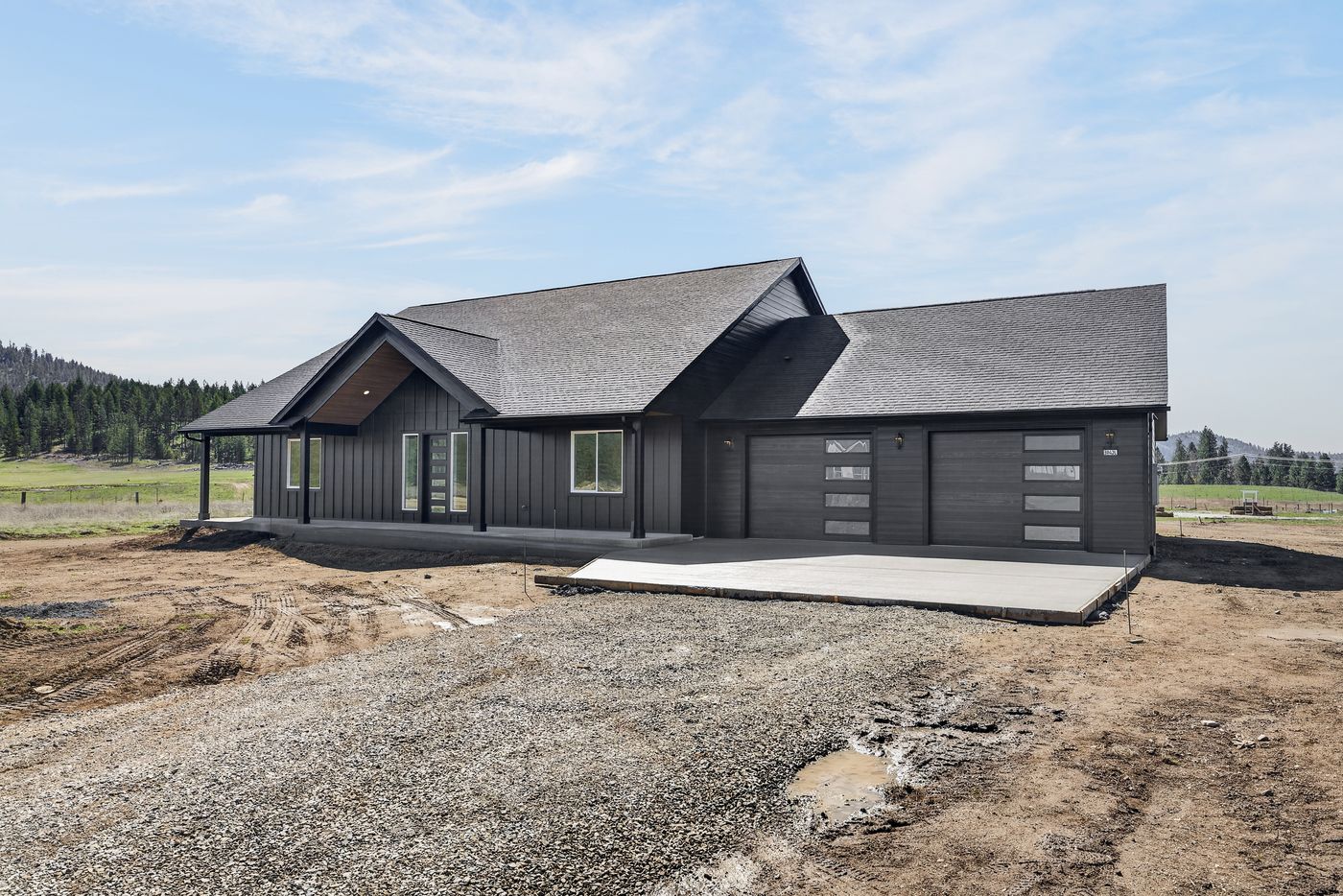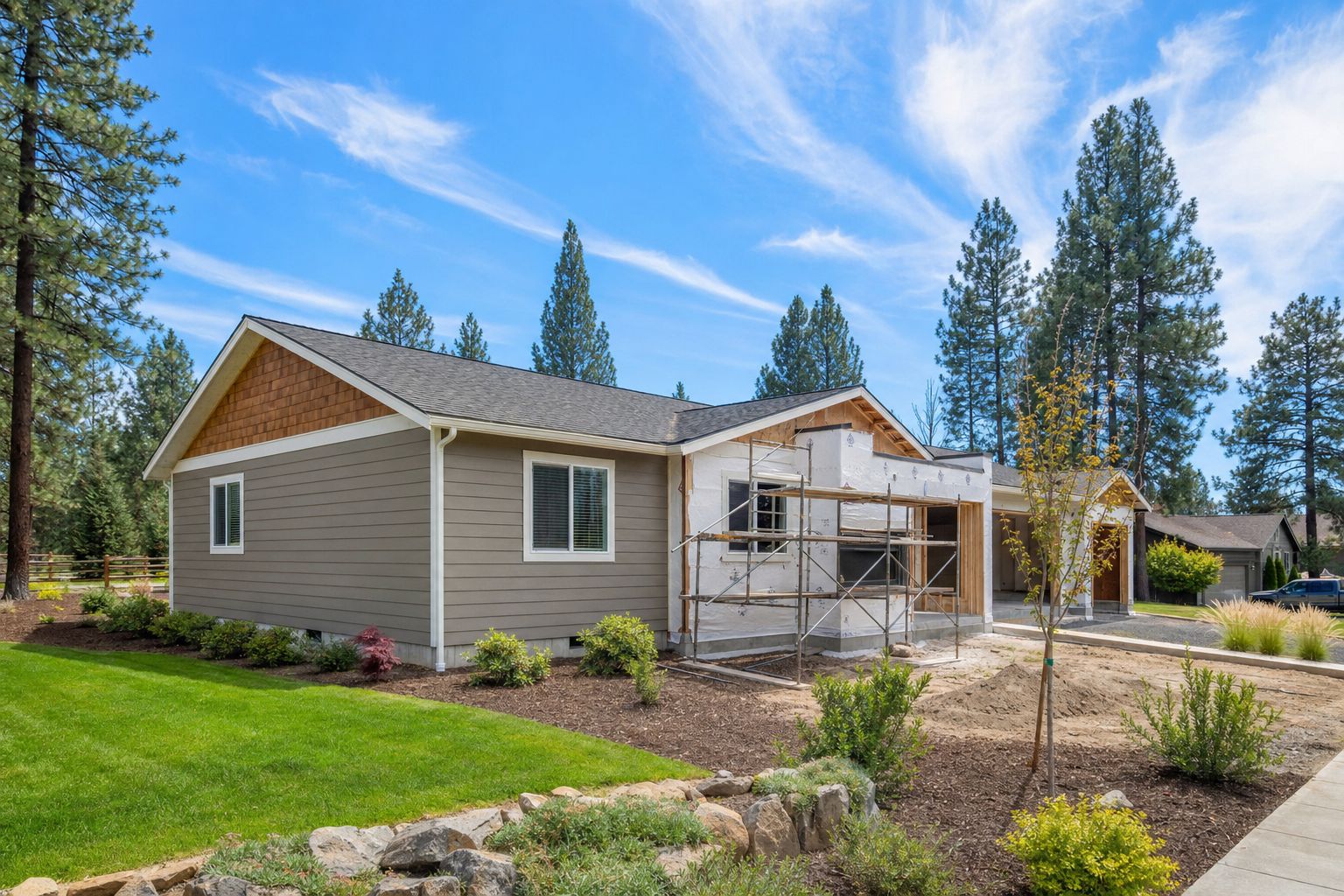

Siding Installation & Replacement in Kellogg, Idaho
Siding replacement in Kellogg, Idaho: mining-era houses, ski rentals, real snow. Hardie Preferred contractor. Free estimates, call today.
$1,000 Off
Your Complete Siding Replacement
Get a Free Estimate
FREE same-day estimates on all exterior projects.








The most common siding call we get from Kellogg right now starts the same way: somebody bought a company house near the gondola, they're turning it into a ski rental, and the exterior hasn't seen a serious dollar since the mine payroll built it. That's the town's remodeling story in one sentence. Houses that went up fast in the early 1900s to shelter mining families are getting their first real exterior investment a century later, because Silver Mountain turned Kellogg into a place people book, not just a place people left.
Domex Construction does that work — full tear-off re-sides on company houses, mid-century stock, and the newer builds around the resort base — under Idaho license RCE-66940, with crews running I-90 from our Spokane–Post Falls base. Kellogg is a straight shot up the interstate, and it shows in how reliably we schedule Silver Valley jobs.
Peeling Back a Company House
Open up a Kellogg wall and you read the town's whole economic history in layers. Original drop siding or shiplap from the mining era, a coat of asphalt brick-pattern sheeting from one lean decade, steel or hardboard from another, sometimes vinyl over all of it. Each layer went on because tear-off cost money nobody had. Now the layers are the problem: trapped moisture between them, window flashing buried three materials deep, and wall thickness that has crept out past the trim.
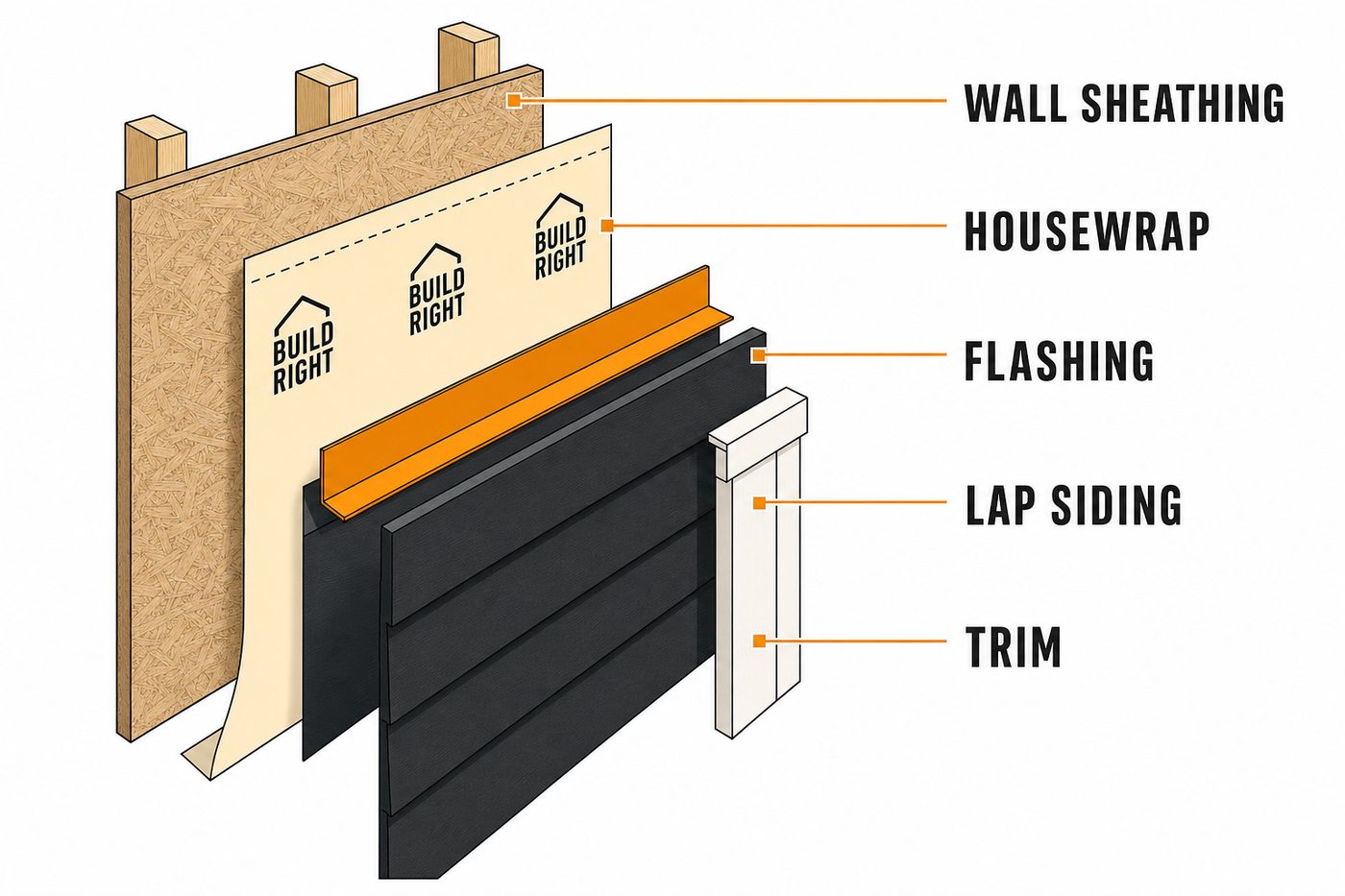
Sheathing is the other surprise these houses hold. Company housing was built quick and lean — board sheathing with wide gaps is normal, and on some walls the original siding is the sheathing, nailed straight to the studs with nothing behind it. You can't hang fiber cement on that. Our Kellogg estimates assume at least one wall will need new structural sheathing before wrap and siding go on, and our written specs price that correction up front rather than springing it as a week-two change order.
None of this argues against these houses. The framing is old-growth lumber, usually dead straight; strip the layers and correct the sheathing, and you've got a better skeleton than most new construction.
The North Wall Problem
Kellogg's tight east-west valley does something specific to siding. South-facing walls get winter sun; north-facing walls sit in terrain shade for months, holding snow against their bottom courses long after the south side is bare and dry. Walk any street in March and you can see the line — one side of a house UV-weathered, the other growing moss and shedding paint.
We detail the two exposures differently. North walls get the strictest ground and roofline clearances, kick-out flashing wherever a roof plane dumps onto a lower wall, and material choices that shrug off long damp spells. South walls get finishes that hold color under snow-glare UV. On many Kellogg houses the smart spec isn't uniform around the building, and we'll say where spending differently makes sense.
Siding a House You Don't Live In
Short-term-rental owners have a different math than homeowners, and we quote to it honestly. If your Kellogg house earns its keep on winter bookings, you care about three things: an exterior that photographs well in a listing, zero maintenance calls in February, and durability against guests, luggage carts, and snow shovels at the entry walls. That pushes the spec toward factory-finished fiber cement — no repaint cycle, no woodpecker interest, nothing soft for a renter's firewood stack to dent. It also favors doing trim, soffit, and gutters in one mobilization, because every contractor trip to a rental is a blocked booking window. We schedule around your calendar's dead weeks, not ours.
Materials That Make Sense in the Silver Valley
James Hardie fiber cement is our lead recommendation for most Kellogg re-sides, and we install it as a Hardie Preferred Contractor. Cement board doesn't absorb the meltwater that sits against north-wall bottom courses, doesn't move through the freeze-thaw swings of a Silver Valley shoulder season, and the ColorPlus factory finish takes years of snow-reflected UV without the repaint treadmill a rental owner can't afford.
LP SmartSide earns its place on impact-heavy exposures — walls that catch roof-shed ice, plow spray along the street side, or hits from a tight side yard where everything from ladders to sleds gets leaned. Engineered wood flexes where cement cracks, and its long boards mean fewer field joints on the simple, tall gable ends company houses tend to have.
Vinyl still has a role on tight budgets and secondary structures — but on a shell that just got its sheathing corrected, the cheapest skin usually proves a false economy within a decade.
What Sets the Number
Every Kellogg quote is a fixed price after a walkthrough, and these are the levers that move it. Layer count is the big one — a house wearing three generations of siding costs more to strip than one wearing one, and disposal is priced by what actually comes off. Sheathing correction is next; we scope it wall by wall during the estimate probe. Then the ordinary drivers: wall area and height, window and door count (each opening is a flashing assembly, not a hole), trim complexity, and material line. Access is rarely an issue on Kellogg's flat town lots, which helps keep Silver Valley pricing sane.
Five Stages, Start to Finish
- Walkthrough and probe. We check layer depth, probe for rot at bottom courses and under sills, and map which walls face the shade. Free, on site, no obligation.
- Written spec. Materials, colors, flashing details, sheathing-correction scope, and contingency terms — all on paper before you sign anything.
- Permit. Re-side work in town runs through City of Kellogg permitting. We file and manage it.
- Strip and correct. Every layer comes off down to the frame where needed. Sheathing repaired or replaced, wrap and flashing detailed for snow country.
- Install and walk the walls. Siding hung to manufacturer spec — that's what keeps product warranties valid — then a joint-by-joint walkthrough with you.
When the Work Happens
Summer and fall book heaviest, and rental owners should think backward from ski season: an exterior finished by late October is photographed, listed, and earning by the first gondola weekend. Winter installs are workable — cement board hangs fine in cold, with caulk and coatings sequenced into their temperature windows — and winter lead times are our shortest. A typical company house runs about a week of on-site work once materials land; layered tear-offs and sheathing surprises are what stretch that, which is why we scope both before quoting.
Kellogg Homeowners Ask
My house has three layers of old siding. Does all of it have to come off?
For a job we'll put our name on, yes. Layering a fourth skin over trapped moisture and buried flashing guarantees the new siding fails from behind. Stripping to the frame is most of the project's value.
Is there asbestos in old Kellogg siding?
Some mid-century layers can contain it. We identify suspect materials during the estimate and bring in licensed abatement when testing confirms it — that's handled before our crew strips anything.
What's the best siding for a short-term rental here?
Factory-finished fiber cement, in almost every case. No repainting, high impact and moisture tolerance, and it photographs like new for years of listings.
Can you re-side my place between Thanksgiving and ski season?
Usually not well — the window is short and cold snaps unpredictable. Book for early-fall completion or plan for spring; we'll be straight about which is realistic.
Will you match the original look of a company house?
We can get close — smooth or wood-grain lap in historic exposures, matched corner and window trim profiles. Owners who want mining-era character in modern materials ask for this constantly.
Does a re-side in Kellogg need a permit?
Work inside city limits goes through City of Kellogg permitting, and we handle the filing and inspections as part of every job.
You're based near Spokane — is Kellogg really in range?
It's about an hour up I-90 from our Post Falls side, and we run Silver Valley jobs in committed blocks. Your project gets a scheduled crew, not leftover days.
Licensed, Insured, Local Enough
Domex Construction carries Idaho license RCE-66940 — verifiable through the Idaho Contractors Board — plus Washington licensing (DAVYDCI833NC) and full insurance. Nine years in business, 32 years of combined crew experience, and ask us about our workmanship warranty alongside the Hardie and LP manufacturer coverage.
From Kellogg we serve the whole Silver Valley: Wardner up the gulch, Smelterville and Pinehurst to the west, Osburn to the east, and everything along the I-90 corridor between.
Thinking about the exterior before next ski season? Estimates are free and on-site. Give us a call or request an estimate online.
More from Domex in Kellogg: Window Replacement in Kellogg · Custom Decks in Kellogg · Custom Home Builder in Kellogg · Siding Installation — Spokane hub