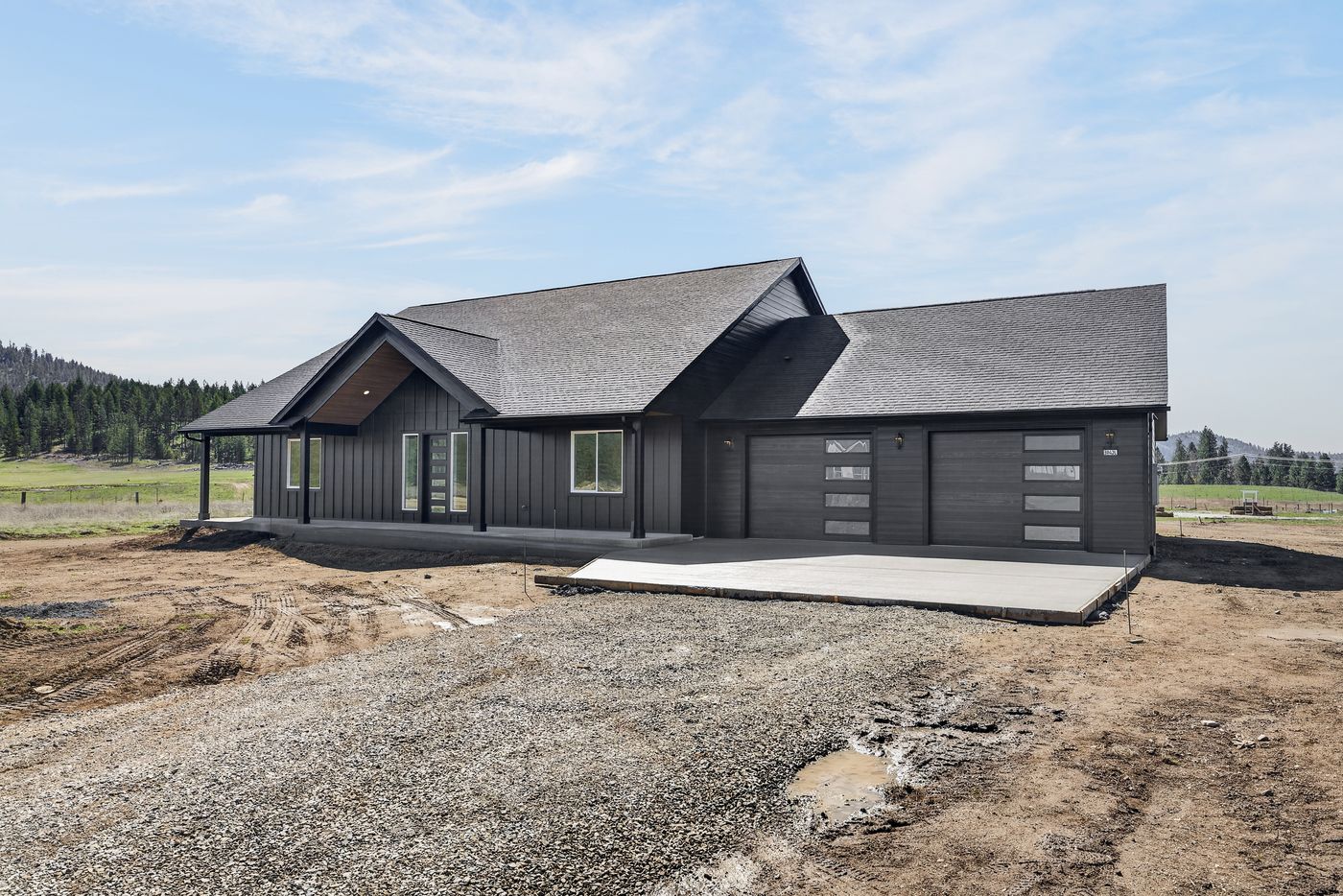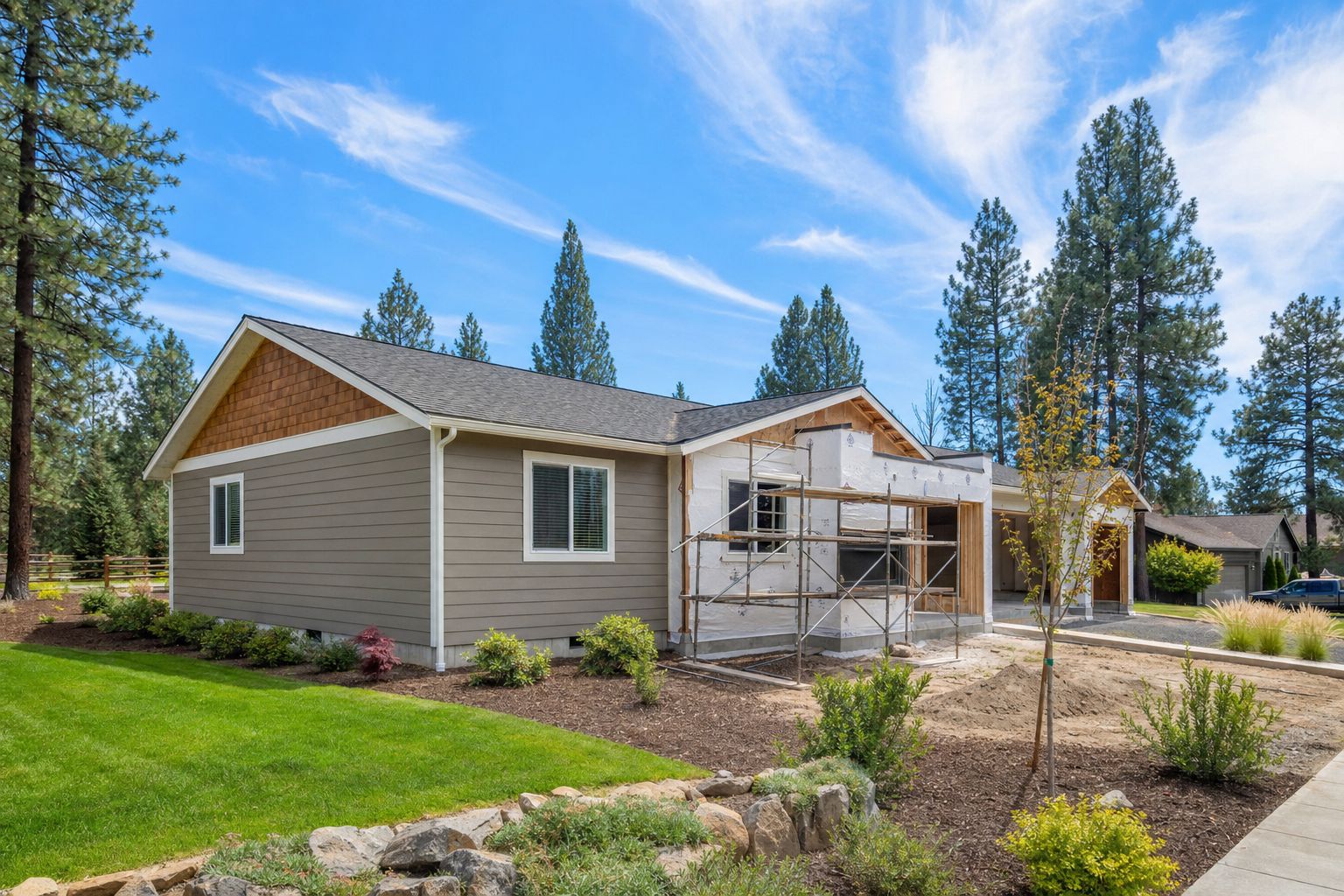

Siding Installation & Replacement in Clarkston, Washington
Siding replacement in Clarkston, WA built for LC Valley heat and sun. Hardie Preferred contractor, licensed in WA. Free on-site estimates.
$1,000 Off
Your Complete Siding Replacement
Get a Free Estimate
FREE same-day estimates on all exterior projects.








Everywhere else we work, winter is what wears out a wall. Clarkston is the exception. The LC Valley sits at the lowest, hottest corner of our service map — summers run 100°F and higher for days at a stretch, winters are short and mostly bare, and the sun does the damage that snow does up north. When we drive down from Spokane for an estimate here, we're not looking for ice damage and rot lines. We're looking at what thirty or forty cooking-hot summers have done to a south wall.
Domex Construction installs and replaces siding across Clarkston, Asotin, and the rest of the valley under Washington license DAVYDCI833NC. We're a James Hardie Preferred Contractor, we also install LP SmartSide and vinyl, and we'll tell you plainly which of the three belongs on your walls — in this climate the answer is less interchangeable than most homeowners expect.
How Heat Kills Siding
Sun damage works differently than water damage, and it favors different walls. South and west exposures take the brunt; north walls on the same house can look ten years younger.
Vinyl shows it first. Every vinyl panel expands as it heats and shrinks as it cools, and a Clarkston summer pushes that cycle harder than anywhere else we work — a panel can grow noticeably in length between a cool morning and a 105°F afternoon. Panels nailed tight instead of hung loose have nowhere to go, so they ripple and buckle. Reflected heat makes it worse: a neighbor's low-E windows can focus enough afternoon sun onto a vinyl wall to visibly distort it — a failure we see here and almost never in Spokane. Darker vinyl colors absorb more of that load and warp sooner.
Painted surfaces fail by chalking. UV breaks down the binders in paint and in vinyl's surface layer, leaving a powder that wipes off on your hand — that's the finish giving up, not dirt. Caulk joints fatigue from the daily expansion swing and split open, and on wood and hardboard siding the sun pulls moisture out until boards cup, check, and shed their coating on the hot exposures years before the shaded ones.
Sixty Summers on a Mid-Century Wall
Clarkston's housing core was built in one long postwar run, and it shows in what we tear off. The flat blocks between the highway and the Snake are full of 1950s and '60s ranches — single-story, simple rectangles, originally clad in horizontal wood or hardboard. A lot of them got vinyl in the '90s, often installed right over the old siding, and that vinyl is now the generation failing in the sun. Tear-off on these homes routinely means two layers, and quoting them means accounting for both.
Closer to the river, the older homes carry more history per wall — earlier framing, layered repairs, trim profiles that have to be matched or rebuilt. Up on the benches, newer construction climbs the hillside with bigger windows aimed at the view and full western exposure, which is exactly the orientation this climate punishes. The dry valley spares us widespread rot — far less concealed decay than in snow country, which works in your favor on price. What we find instead is UV-cooked, brittle material: messy to remove, but honest, and rarely hiding structural surprises.
Materials That Hold Up in a Hot, Dry Valley
Fiber cement is the stability play. James Hardie boards barely move with temperature, which is the single most valuable property a material can have here. No thermal buckling, no reflected-heat distortion, and a Class A fire rating that matters in a region with dry-grass summers. The honest caveat is color: no finish is immune to this much UV, and dark, saturated colors on a west wall will soften over the years anywhere. Hardie's ColorPlus factory finish fades slower and more evenly than field paint, and lighter colors fade slower than dark ones — we'd rather tell you that at the estimate than have you discover it at year ten.
LP SmartSide holds its own in the valley when its factory finish is intact and cut edges are sealed. Its resin-bound substrate tolerates the dryness well, and its longer boards suit the wide, simple walls of a mid-century ranch — fewer seams, fewer caulk joints to maintain in a climate that eats caulk.
Vinyl still has a place, mostly on budget-driven projects and shaded exposures, but it has to be specified for the valley: lighter colors, a heavier-gauge panel, and hung loose to spec so it can move. Cheap dark vinyl on a west-facing Clarkston wall is a countdown, and we'll say so.
What Sets the Price
Every Clarkston quote is a fixed number after a walkthrough, and a few local variables move it. Layer count is the big one — those over-vinyled ranches carry double tear-off and disposal. Wall footage and trim complexity set the base; a simple ranch rectangle is the most economical shape there is to re-side, which is one quiet advantage of this housing stock. Material choice moves the number in the obvious direction, with fiber cement and engineered wood above vinyl up front. Access matters on the bench lots, where slope and elevation add staging time a flat riverside block doesn't. And because concealed rot is rare in this dry climate, contingency line items tend to stay small — our written specs still state them.
The Job, Step by Step
- Walkthrough estimate. We check every exposure separately — sun damage is directional, and so is our assessment. Free, no obligation.
- Written spec. Material, color, trim package, flashing details, and contingency terms in writing before you sign anything.
- Permitting. Inside city limits, the paperwork runs through the City of Clarkston; rural and unincorporated properties go through Asotin County. We file and track it either way.
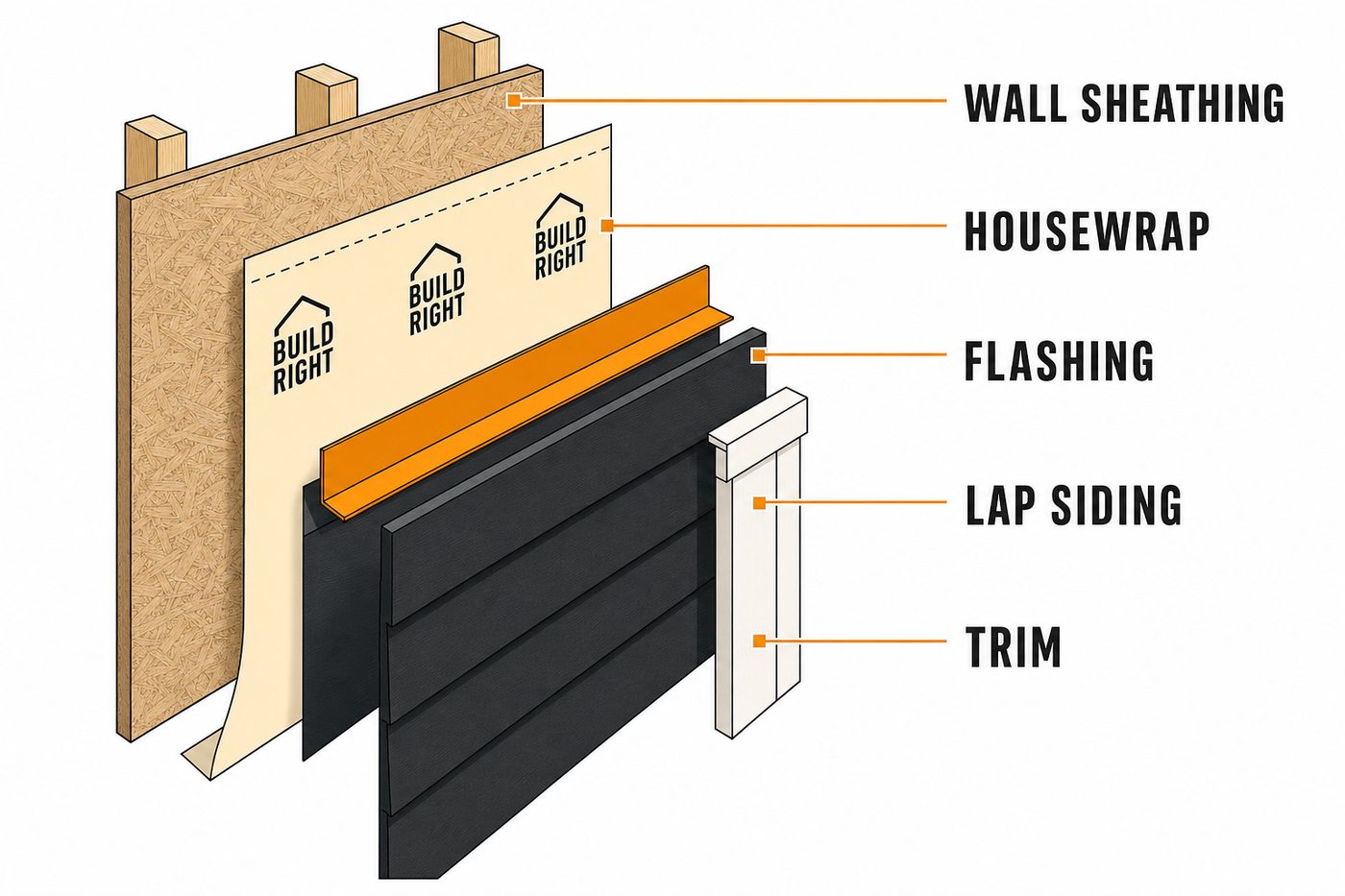
- Tear-off and prep. Old layers off, sheathing checked, wrap and flashing detailed. In this climate the critical prep detail is movement: gapping and fastening set for the temperature swing the wall will live through.
- Install and walkaround. Boards hung to manufacturer spec, penetrations sealed, site cleaned, and a wall-by-wall review with you before the crew heads north.
Scheduling and the Summer Window
Clarkston sits about two hours from our base, so valley jobs run as scheduled multi-day trips — the crew arrives with materials staged and works your project in a committed block rather than commuting day by day. You'll know your window in advance and we protect it.
Season changes the rhythm more than the feasibility. In high summer we start early and sequence around the heat: caulks and coatings have upper temperature limits just as they have lower ones, and boards stored in direct sun get acclimated before they're hung. The flip side of banana-belt weather is a gift most of our map doesn't get — mild, mostly snow-free winters make Clarkston one of the few places we re-side comfortably in January, usually with shorter lead times.
Clarkston Siding Questions, Answered
My vinyl is rippling on one wall. Why just that one?
Almost always it's the sun load — a south or west exposure, sometimes amplified by reflection off a neighbor's windows. Tight nailing makes it worse. That wall is telling you what the replacement material needs to withstand.
Is dark siding a mistake here?
Not a mistake, but a trade-off we want you to make knowingly. Dark colors absorb more heat and show fade sooner under valley UV. On fiber cement it's a cosmetic question; on vinyl it's also a distortion risk.
Can you install siding during a 100-degree week?
Yes, with early starts and proper sequencing. Fiber cement itself doesn't care; the temperature-sensitive steps are sealants and finishes, and we schedule those into the cooler parts of the day.
Do I need a permit to re-side in Clarkston?
City projects go through the City of Clarkston and rural parcels through Asotin County. We handle the filing and any inspections as part of the job.
Vinyl lasted 25 years on my house. Won't new vinyl do the same?
Maybe — if it's a quality panel, a light color, and hung correctly. But the vinyl generation now failing across Clarkston is failing from heat, and fiber cement removes that failure mode entirely. We'll price both so the comparison is real.
You're based in Spokane. Who shows up if there's an issue later?
We do. Valley trips are a standing part of our schedule, and warranty visits ride along with them. Ask about our workmanship warranty at the estimate.
Licensing and Where We Work
Domex Construction is licensed in Washington (DAVYDCI833NC — verifiable through Washington L&I's contractor lookup) and Idaho (RCE-66940), and fully insured. Nine years in business, thirty-two years of combined crew experience, and Hardie Preferred Contractor status you can confirm with James Hardie directly.
From Clarkston we serve the whole LC Valley: Asotin, the rural benches of Asotin County, and across the Snake into Lewiston, Idaho under our Idaho license.
Want a straight answer on what the sun has done to your siding? Free on-site estimates across Clarkston and the LC Valley. Give us a call or request an estimate online.
More from Domex in Clarkston: Window Replacement in Clarkston · Custom Decks in Clarkston · Custom Home Builder in Clarkston · Siding Installation — Spokane hub