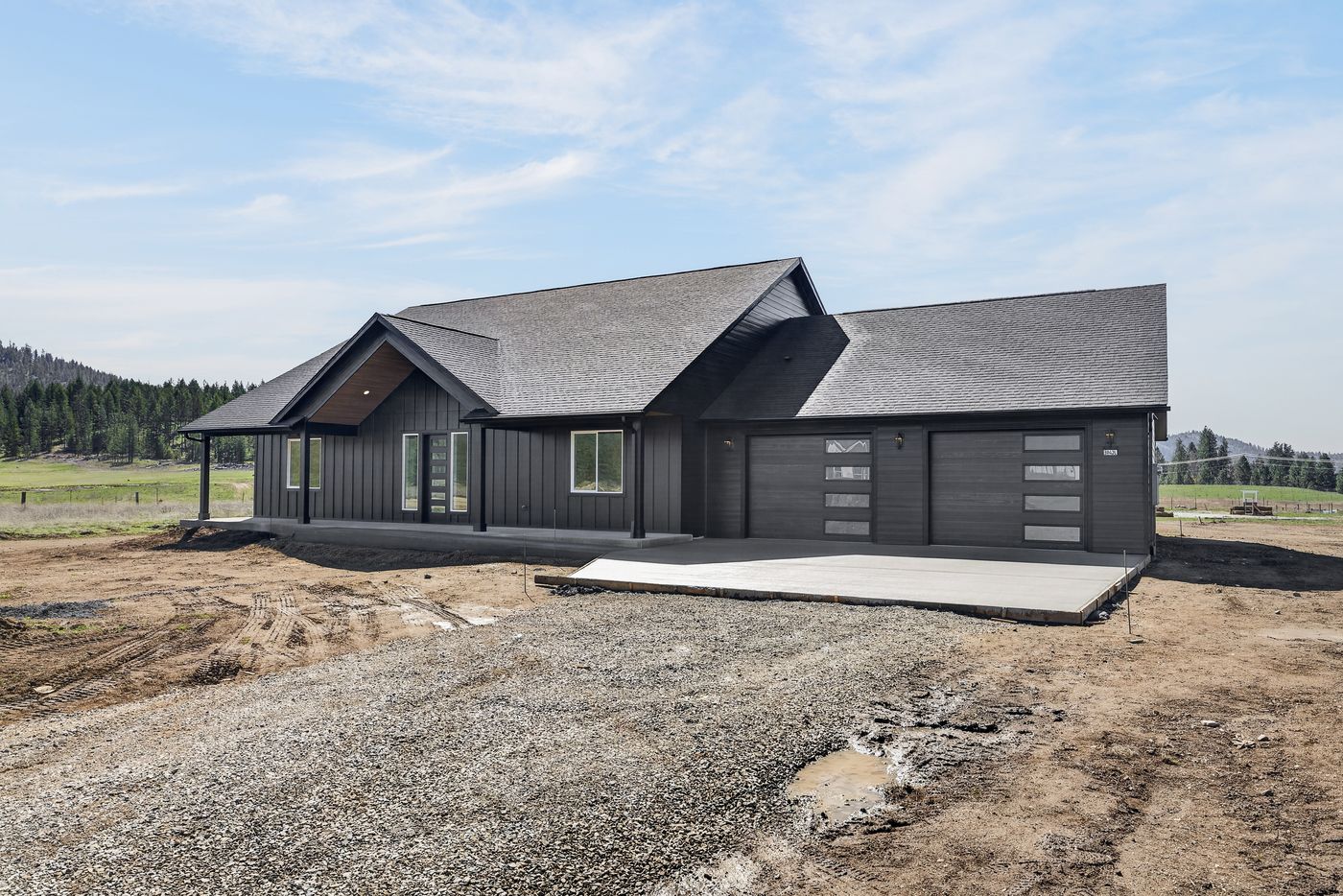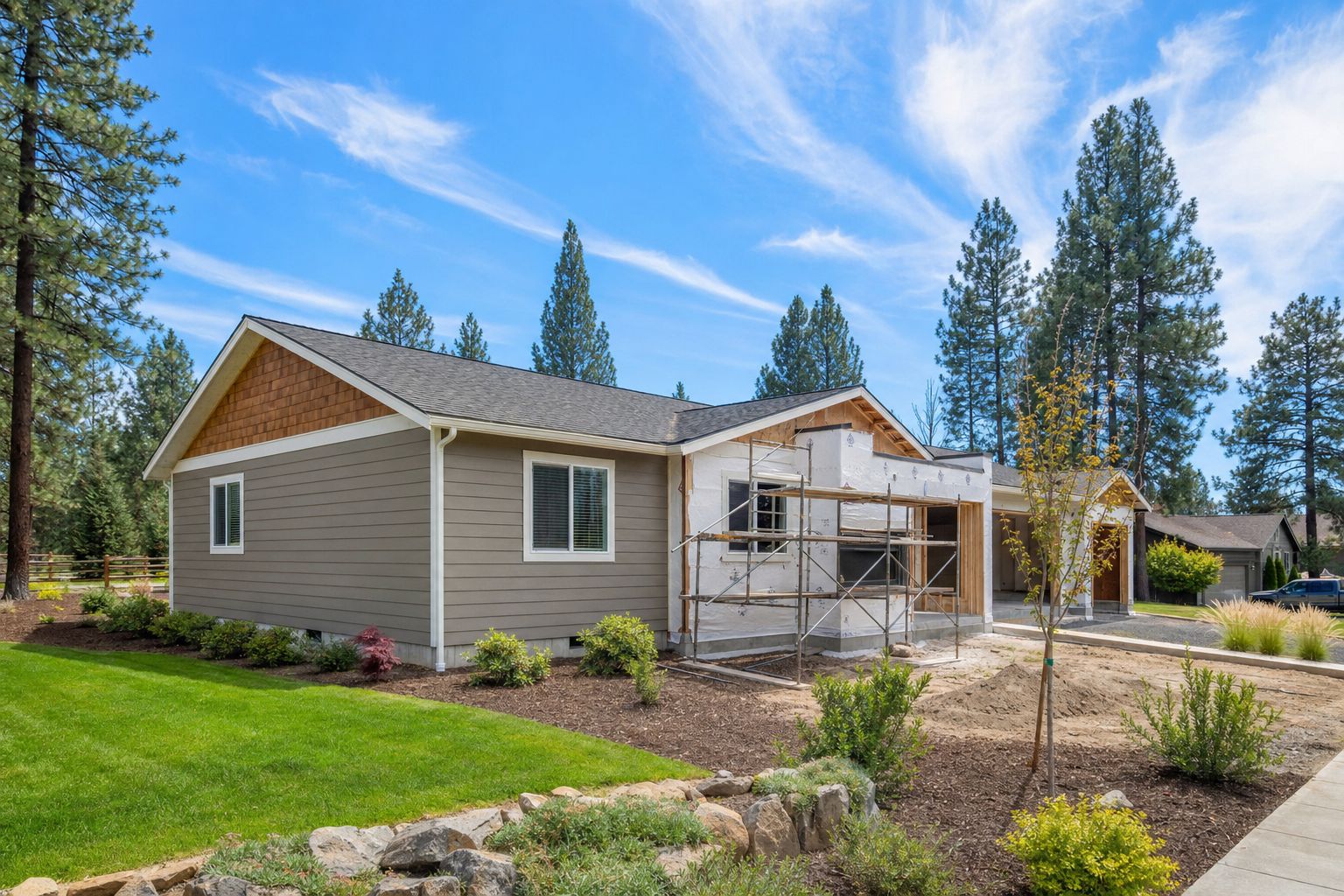

Deer Park Siding Installation & Replacement
Deer Park siding replacement by a James Hardie Preferred contractor. Built for cold-pocket winters and old farmhouse walls. Free estimates.
$1,000 Off
Your Complete Siding Replacement
Get a Free Estimate
FREE same-day estimates on all exterior projects.








Deer Park grew in rings, the way farm towns do. The oldest ring is the townsite core — pre-war frame houses built when this was a farming community twenty miles up the road from Spokane, most of them clad and re-clad a few times since. Around that core sits a ring of mid-century blocks, then the rural-residential acreage that surrounds town, and now a fourth ring of newer subdivisions filling in as Spokane's growth spills north along US-395. Each ring was sided in a different decade with different materials, and each ring is wearing out in its own way.
For a siding contractor, the age of the house tells most of the story before anyone knocks on a wall. Domex Construction works all four rings. We're a James Hardie Preferred Contractor, we also install LP SmartSide and vinyl, and we carry Washington license DAVYDCI833NC on every Deer Park job.
The Farmhouse Ring: What Tear-Off Turns Up
The pre-war houses near the core are the jobs with the most history under the skin. Pull the current layer and you often find a second one under it — old vinyl or hardboard installed straight over the original wood clapboard decades ago, because layering was cheaper than stripping. Under all of it is board sheathing, and almost never any house wrap. These walls managed moisture for eighty years by leaking air freely; the wood dried out because nothing sealed it in.
That changes the job in two ways. Tear-off quantity, first: two or three layers means more labor and disposal. Correction, second: once we wrap and seal a wall to modern standards, any rot left behind stops drying and keeps growing, so bottom courses, sills, and old porch tie-ins get probed and repaired before new siding goes on. Our written spec carries rot-contingency terms, priced before we find anything — on a farmhouse, a bid with no contingency language isn't cheaper, just quieter about what happens next.
The Mid-Century Ring: Hardboard on Borrowed Time
The blocks that went up after the war carry a lot of first-generation hardboard, and it fails from the edges inward. Hardboard is compressed wood fiber; wherever a cut edge or a bottom drip edge lost its paint seal, the board drinks water. In Deer Park the water it drinks freezes hard, and the freeze expands the fiber so the edge swells, sheds its paint, and drinks faster the next fall. You can read the cycle on the wall: wavy bottom edges, bulges at nail lines, paint that fails in horizontal bands.
Repainting buys a few years if the swelling hasn't started. Once edges have gone soft, paint is money spent hiding a material that has already changed shape, and replacement is the honest recommendation. The consolation: walls behind mid-century hardboard are usually sound — one layer, decent framing, straightforward tear-off.
Why This Cold Pocket Is Hard on Siding
Deer Park sits in a recognized cold pocket. Nights here run frostier than Spokane proper, freezes come earlier and bite deeper, and clear winter days can still swing a dark south wall well above freezing before it plunges again after sundown. That swing ages siding faster than the calendar suggests.
Caulk joints take it first: wider daily swings mean more stretch-and-compress cycles per joint, so caulk that lasts a decade in a milder spot cracks sooner here. Vinyl feels it too: the material gets brittle in a hard freeze and expands noticeably in summer sun, so panels that were nailed tight instead of hung loose on their slots will buckle in July and crack under a January impact. Add farm-country wind and unshaded sun on the open parcels outside town — steady UV load, wind-driven grit, the occasional flying branch — and installation discipline matters more here than the brochure ever mentions.
Matching Material to the Ring
Fiber cement (James Hardie) doesn't absorb water and barely moves with temperature, which is exactly the failure mode this climate punishes. On hardboard replacements it's the natural successor — same look, none of the swelling — and the ColorPlus factory finish holds up under the strong open-parcel sun — our most-installed product here.
LP SmartSide brings longer boards, which means fewer field joints on the big simple wall planes of a farmhouse or shop, and better impact resistance for windy open lots. Its engineered wood handles moisture well provided every cut edge gets field-sealed — a discipline we build into the crew's day.
Vinyl is the budget path, and this is the climate where cheap panels and rushed installs show up worst, for the brittleness and expansion reasons already covered. Where vinyl fits the budget, we spec a heavier panel and hang it the way the manufacturer intends.
What Moves the Price
We quote a fixed number after walking the house, and these are the levers behind it. Tear-off depth is the big one on older homes — each buried layer adds labor and disposal. Substrate repair is next; contingency terms cover it transparently. Wall height and complexity count: a two-story with lots of gables and openings carries more flashing and trim work than a long single-story ranch. Material choice moves it in the obvious direction — fiber cement and engineered wood cost more than vinyl up front and repay it in lifespan. Access is rarely an issue here — flat lots and wide driveways are one thing Deer Park makes easy.
How the Job Runs
- Walkthrough and probe. We check every wall, test the suspect spots on older homes, and tell you which ring your house's problems actually belong to. Free.
- Written spec. Material, color, trim package, flashing details, and rot-contingency terms on paper before you sign anything.
- Permits. Inside city limits, the City of Deer Park handles permitting; outside them it's Spokane County. We file and manage either.
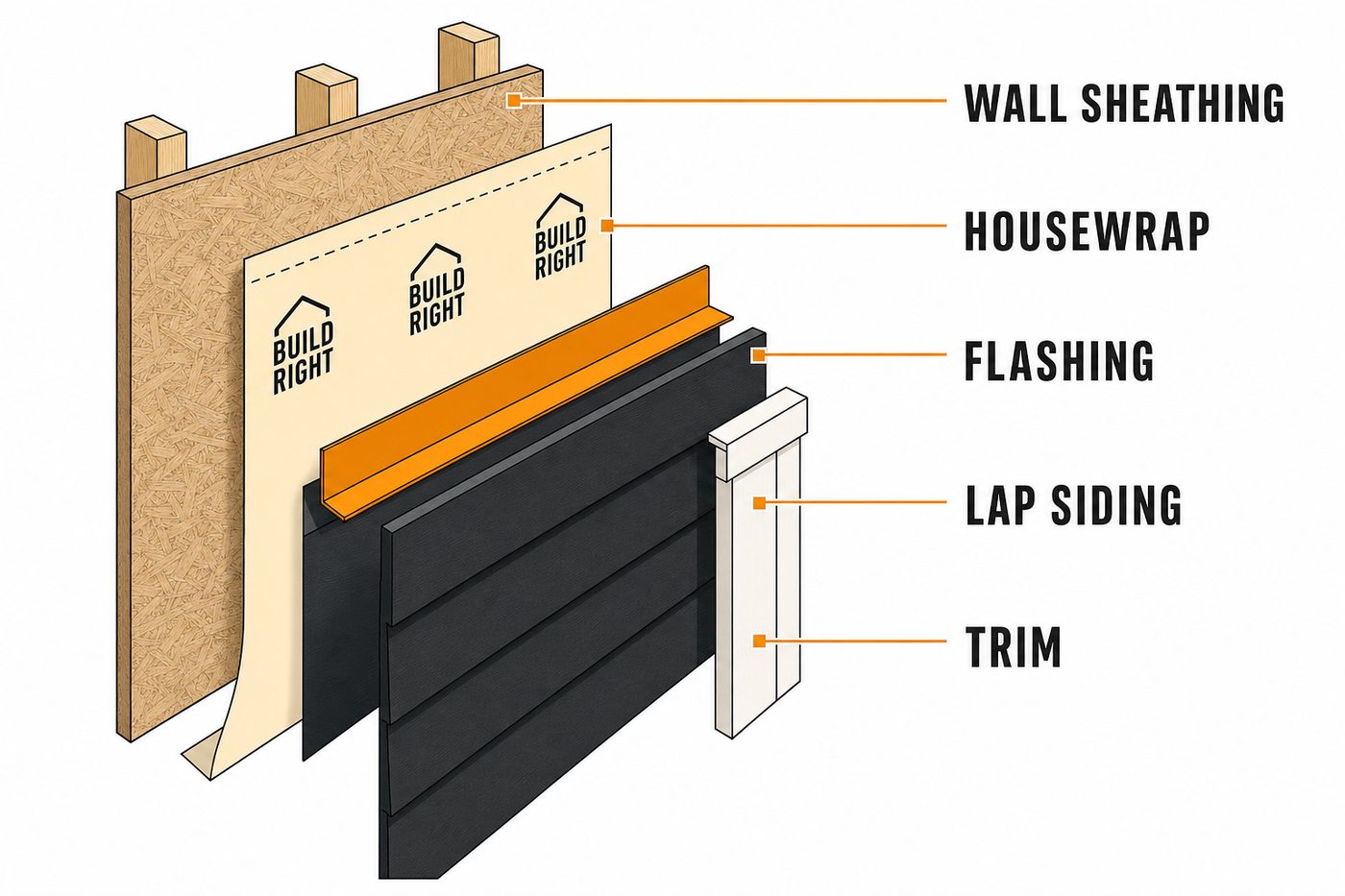
- Tear-off and wall correction. Old layers off, sheathing repaired, modern wrap and flashing installed — the stage that decides how long everything above it lasts.
- Install and final walk. Siding hung to manufacturer spec, joints sealed in their temperature window, site cleaned, and a walk around the house with you before we leave.
When to Book It
Summer and early fall dates fill first, so a spring estimate gets the best selection. The install itself runs from several days on a small single-story to roughly two weeks on a layered two-story farmhouse. Cold months are workable too: fiber cement hangs happily in freezing weather; sealants and touch-up coatings wait for warm spells.
Deer Park Siding Questions
Do I need a permit to re-side in Deer Park?
Work inside city limits goes through the City of Deer Park; addresses outside the line go through Spokane County. We handle the filing either way.
Is it cheaper to just go over the old siding?
Cheaper on day one, expensive later. On the older rings, layering buries un-wrapped walls and whatever rot they're hiding, and it shallows the flashing depth at every opening. We bid tear-off because that's the job that lasts.
Why is my hardboard only failing on one side of the house?
Usually it's the wall that stays damp longest — shaded, or facing the weather. Edge-swelling starts wherever the paint seal fails first.
Is Hardie or LP SmartSide better for Deer Park?
Hardie for dimensional stability through the freeze cycles and for factory color under open sun; LP for impact resistance and long clean runs on simple walls. The walkthrough settles which fits your house.
How much hidden rot should I expect on a pre-war house?
Some is normal — bottom courses, sills, and porch junctions are the usual spots. The contingency terms in our spec exist so the discovery costs what we agreed, not what the moment demands.
Can siding go on in winter here?
Hanging fiber cement in freezing weather is routine for us; what waits for warmth is sealant and touch-up paint, which we slot into mild days. Off-season dates are usually easier to get.
Is vinyl a bad idea in a cold pocket?
Not automatically — but this climate exposes thin panels and tight nailing fast. Quality panel, correct hanging, honest expectations.
Licensing and Where We Work
Domex Construction is licensed in Washington (DAVYDCI833NC, verifiable through Labor & Industries) and fully insured, with 9 years in business and 32 years of combined crew experience. Ask about our workmanship warranty alongside the Hardie and LP manufacturer warranties. From Deer Park we cover the north Spokane County corridor — Chattaroy, Clayton, Loon Lake, and Colbert — plus the acreage between them.
Want a straight answer on which ring your walls belong to? Free on-site estimates across Deer Park and north Spokane County. Give us a call or request an estimate online.
More from Domex in Deer Park: Window Replacement in Deer Park · Custom Decks in Deer Park · Custom Home Builder in Deer Park · Siding Installation — Spokane hub