
Siding Installation & Replacement in Otis Orchards, WA
Siding replacement in Otis Orchards, WA: failing hardboard and T1-11 swapped for Hardie, LP, or vinyl, house and shop alike. Free estimates.
$1,000 Off
Your Complete Siding Replacement
Get a Free Estimate
FREE same-day estimates on all exterior projects.








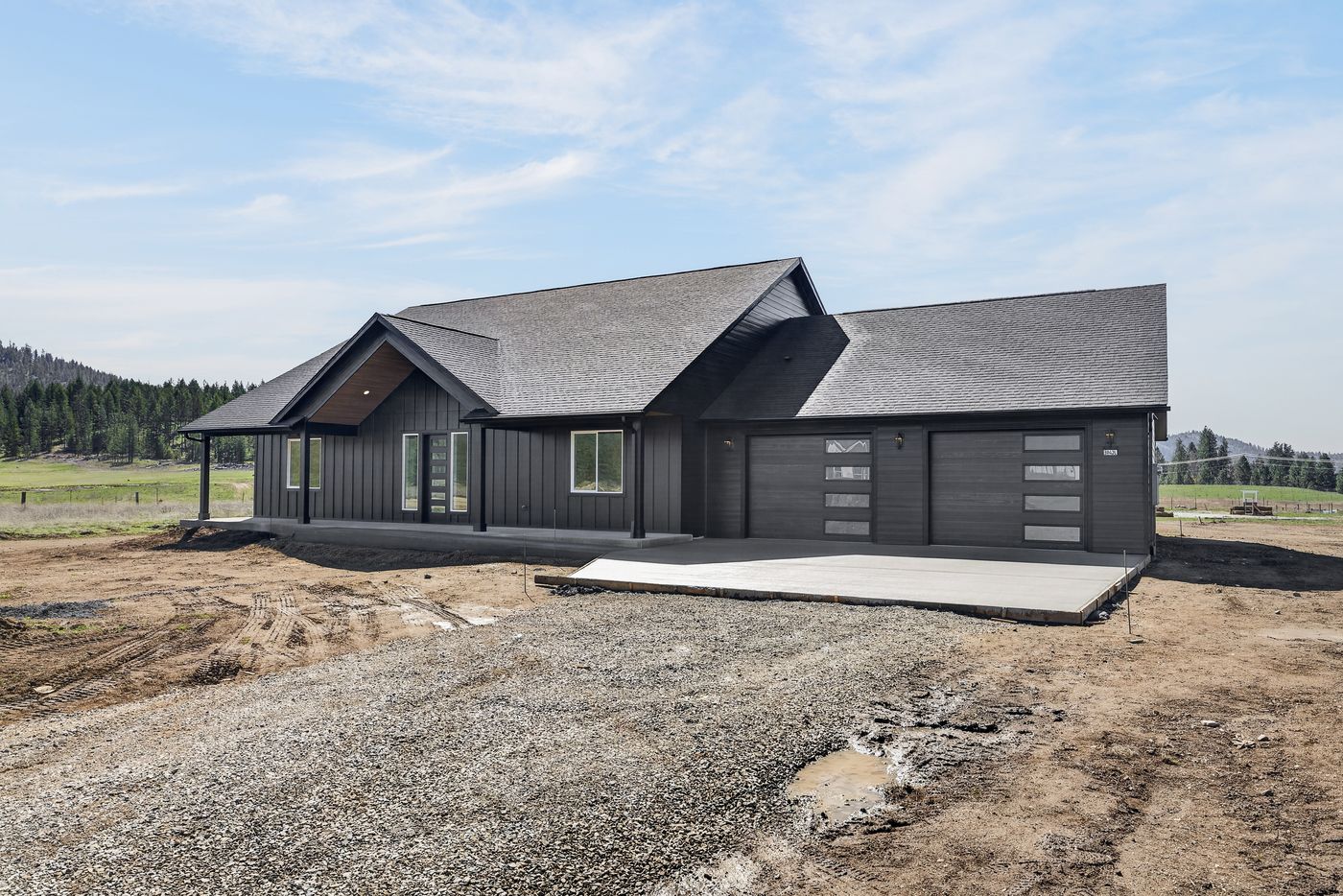
The lot lines in Otis Orchards still trace the old orchard grid. Apple and cherry ground at the east end of the Spokane Valley was cut into one-, two-, and five-acre tracts, and through the 1970s, '80s, and '90s those tracts filled with single-story ranches and low ramblers set well apart, most with a shop, barn, or detached garage somewhere behind the house. Build-out that fast has a consequence nobody thought about at the time: the siding on all of it is aging in lockstep. On road after road between the Spokane River and the Idaho line, walls hung within the same fifteen-year stretch are wearing out within the same five.
Domex Construction replaces that generation of siding — hardboard, T1-11, and tired first-round vinyl — with James Hardie fiber cement, LP SmartSide, and modern vinyl systems. We're a James Hardie Preferred Contractor working under Washington license DAVYDCI833NC, and the east Valley is our shortest drive, not the far edge of a service map.
Hardboard and T1-11 at the End of the Line
Two materials dominate the tear-offs we do out here, and they fail in different ways.
Hardboard lap siding — the pressed-wood product on most of the '70s and '80s ranches — fails from the edges inward. Butt joints swell first, then bottom edges soften and delaminate where sprinkler overspray, snow, or planting-bed soil keeps them damp. Once the fiber has swollen, paint is a cosmetic delay, not a fix: the board has already lost its shape, and every wet season pushes it further.
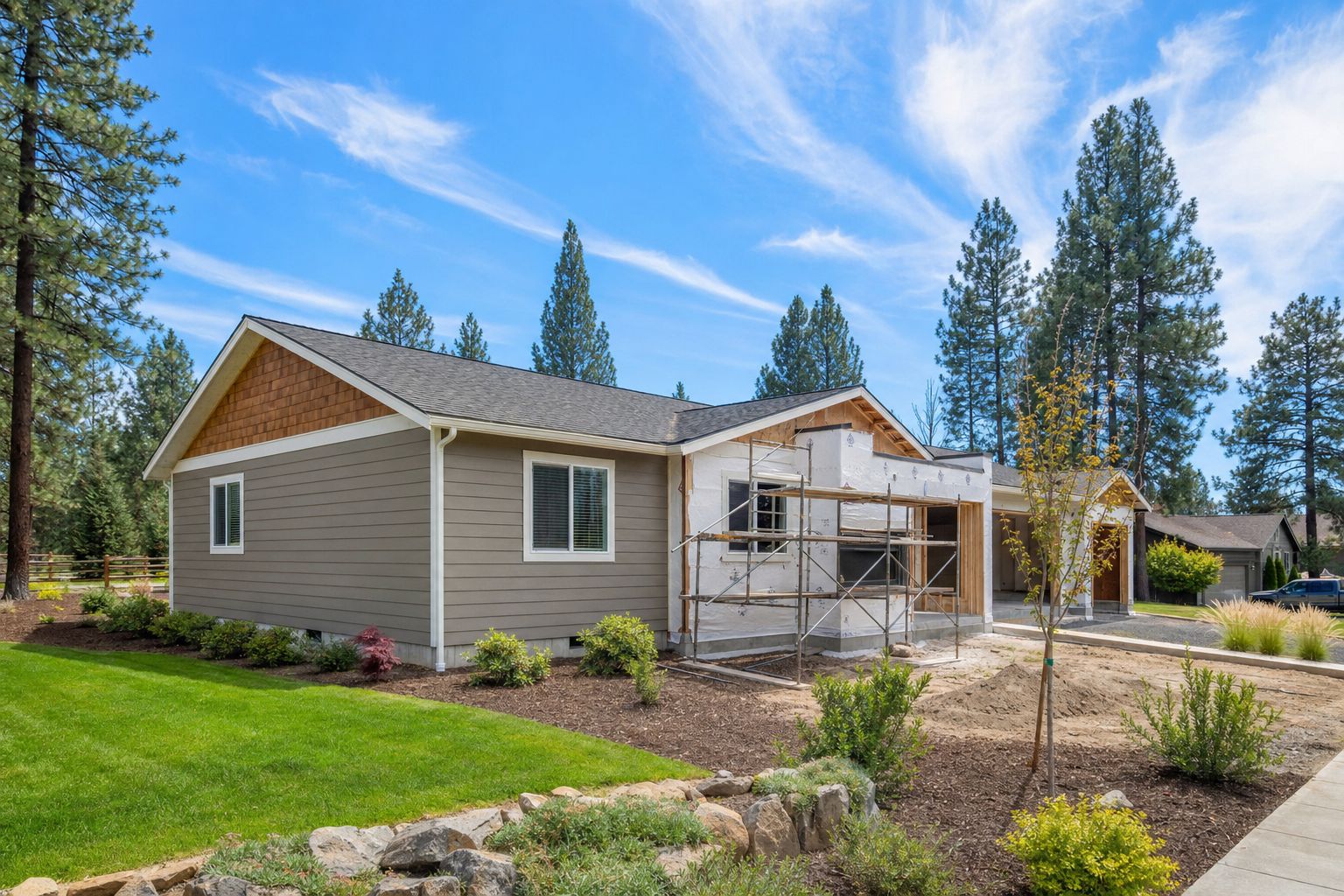
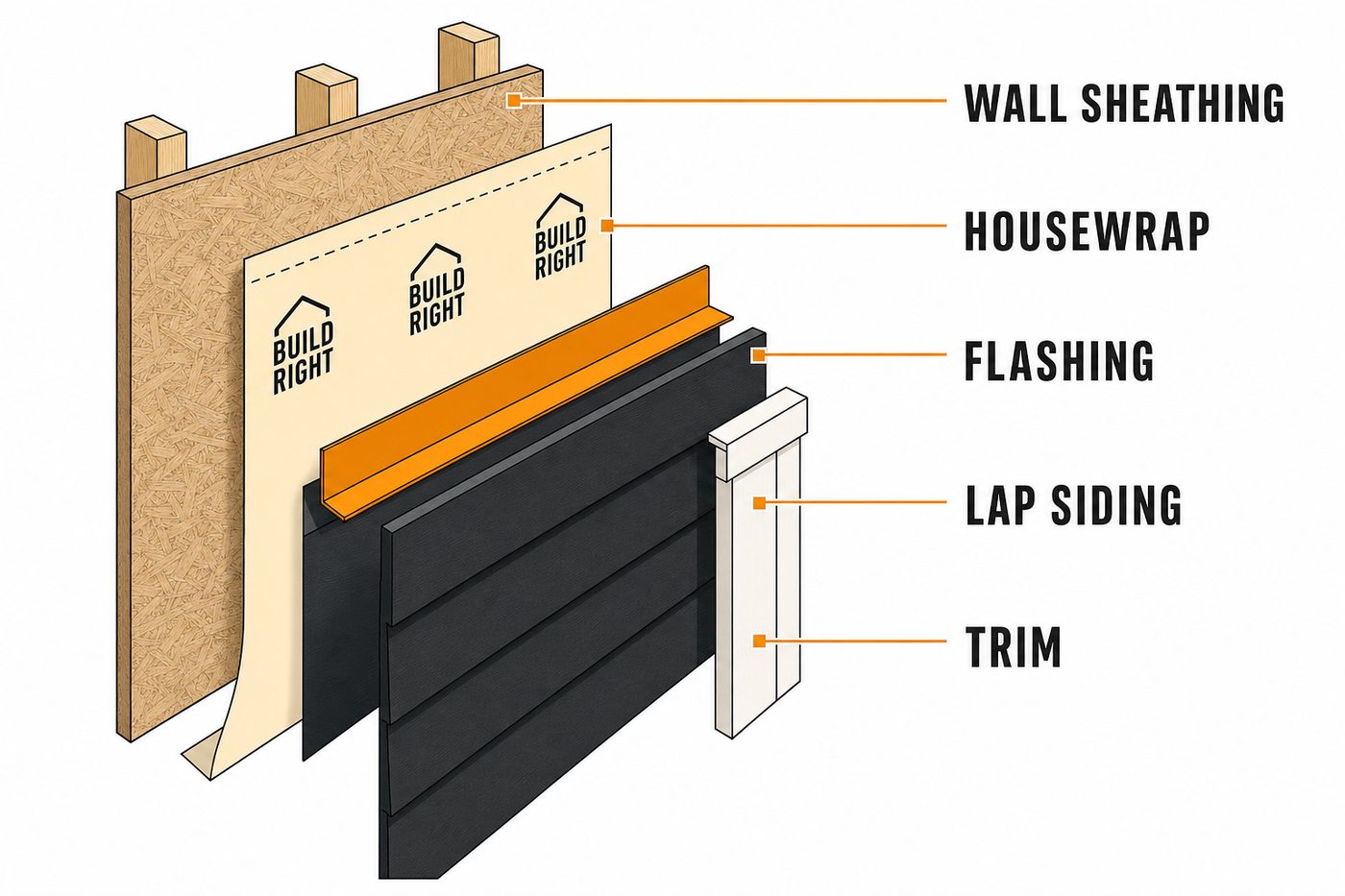
T1-11 is the trickier one, because on many houses and nearly every shop it isn't just siding — the plywood panel is also the wall's sheathing. Grooves wear thin, bottom edges wick water off the grade, and nail heads bleed rust down the face. Replacing it responsibly usually means rebuilding the wall assembly: new sheathing or panel, proper house wrap, and flashing the original builder never installed. A bid that treats a T1-11 job like a simple swap is a bid that hasn't looked closely.
Nailing for a Wind That Doesn't Slow Down
The Valley wind corridor runs straight through Otis Orchards, and the old orchard layout gives it a clean shot — big lots and wide spacing mean there's rarely another structure breaking the wind before it reaches your west wall. Most of the siding damage we're called about after a windstorm is really attachment failure: vinyl panels unzipped at their locks, hardboard face-nails worked loose, trim peeled at the corners.
So fastening is where we spend the attention. Hardie and LP both publish high-wind fastening schedules — closer nail spacing, specific nail sizes, studs rather than sheathing-only attachment — and we build to them rather than to the minimum. House wrap seams get taped so a pressurized wall can't pump air and dust behind the siding. Trim and corner boards, the first things wind grabs, get fastened like they matter. None of this shows in a finished photo. All of it shows in year twelve.
The Shop Gets Siding Too
Horse setups, wood-framed shops, and detached garages are practically standard equipment on Otis Orchards parcels, and about half our estimates here end up covering more than one building. There's a good case for doing them together: one mobilization, one dumpster, one color and trim package across the property instead of a house that got new siding and a shop that announces the old color. Shop gable ends are also where LP's longer board lengths earn their keep — big uninterrupted walls with fewer seams. Steel-skinned buildings we leave alone; wood-framed outbuildings we side to match the house, down to the trim profile.
Choosing Among Hardie, SmartSide, and Vinyl
James Hardie fiber cement is our lead recommendation on most of these homes. It doesn't swell — the exact failure mode you're escaping — it holds ColorPlus factory finish through the Valley's hard summer sun, and it's noncombustible, which reads differently after a few August smoke seasons. LP SmartSide counters with impact toughness (gravel kicked off long driveways, hail, a horse that got curious) and comes in 16-foot lengths that suit long, low ranch walls and shop gables. Vinyl remains the budget path, and we install it — but in this wind corridor we spec a heavier-gauge panel and tighter fastening, and we'll say plainly when we think a wall's exposure argues against it.
Permits Go Through Spokane County
Otis Orchards is unincorporated — there's no city hall and no city permit counter. When your re-side scope needs a permit, it runs through Spokane County Building and Planning, and we handle the filing and the inspection scheduling as part of the contract. You sign paperwork; we stand in lines.
What Sets the Price
Wall area comes first, and the sprawling single-story footprints here cut both ways: no second-story staging costs, but more linear feet of wall, trim, and bottom-course detail per square foot of house than a two-story would have. After that, the big variables are substrate condition — T1-11 structural replacement is the largest single swing — rot repair around openings and skirt boards, how many buildings are in scope, window and door count, and material choice. We put rot-contingency language in writing before work starts, so a surprise behind the siding becomes a documented line item instead of a mid-job negotiation.
Five Steps From Estimate to Done
- Walkthrough. We probe the soft spots, check what's behind the T1-11, look at wind exposure wall by wall, and measure the shop if you want it included. Free, on-site, no obligation.
- Written spec. Material, color, trim package, fastening schedule, flashing details, and contingency terms on paper.
- County permit. We file with Spokane County and build the inspection points into the schedule.
- Tear-off and wall prep. Old siding off, sheathing repaired or replaced, wrap and flashing installed for wind-driven rain. This is the stage that determines lifespan.
- Install and final walk. Siding hung to manufacturer spec, penetrations sealed, site magnet-swept, then a wall-by-wall review with you.
How Long the Work Takes
A single-story ranch is efficient siding work — most run several days to a week of installation, with the shop adding a few more depending on size. The schedule wildcards are wind and discovery: we don't hang long panels in a gale, and structural surprises under T1-11 add days. Spring estimates get first pick of summer install slots; fall and winter installs are routine, with caulk and coatings sequenced around temperature.
Otis Orchards Siding FAQs
How do I know my hardboard siding is finished?
Press a screwdriver handle against the bottom edges and butt joints. If they're soft, swollen, or crumbly, the board has absorbed water and repainting won't reverse it.
Can T1-11 just be painted again?
If it's sound, yes — for a while. But thin grooves, wicking bottom edges, and rust-bleeding nails mean the panel is failing, and because it's often structural, the right fix is a rebuilt wall assembly, not another coat.
Will you side our shop to match the house?
Yes, and doing both in one project is cheaper per square foot than two separate mobilizations. Wood-framed buildings only — steel skins are a different trade.
Do we need a permit out here?
Otis Orchards is unincorporated, so permits run through Spokane County. We determine what your scope requires and handle the filing.
Is vinyl a bad idea in this wind?
Not automatically — installed with tight locks and correct fastening it performs. But the unzipped panels we re-hang after windstorms are almost always light-gauge vinyl installed loose, so if you go vinyl, go heavier and nail it right.
Should windows be replaced during the re-side?
If they're within a few years of needing it, yes. Flashing integrates better and costs less with the walls open, and we do both trades with one schedule.
What happens if you find rot?
It gets photographed, shown to you, and priced against the contingency terms already in your contract — then repaired before anything covers it.
Licensing and Where We Work
Domex Construction is licensed in Washington (DAVYDCI833NC, verifiable through WA Labor & Industries) and Idaho (RCE-66940), and fully insured. Nine years in business, 32 years of combined crew experience, and a Hardie Preferred Contractor standing behind the installs. From Otis Orchards we cover Liberty Lake, Newman Lake, Greenacres, and the rest of the East Valley, and we cross the Idaho line daily for Post Falls and Coeur d'Alene work.
Ready to retire the hardboard? Free on-site estimates anywhere in Otis Orchards — house, shop, or both. Give us a call or request an estimate online.
More from Domex in Otis Orchards: Window Replacement in Otis Orchards · Custom Decks in Otis Orchards · Custom Home Builder in Otis Orchards · Siding Installation — Spokane hub