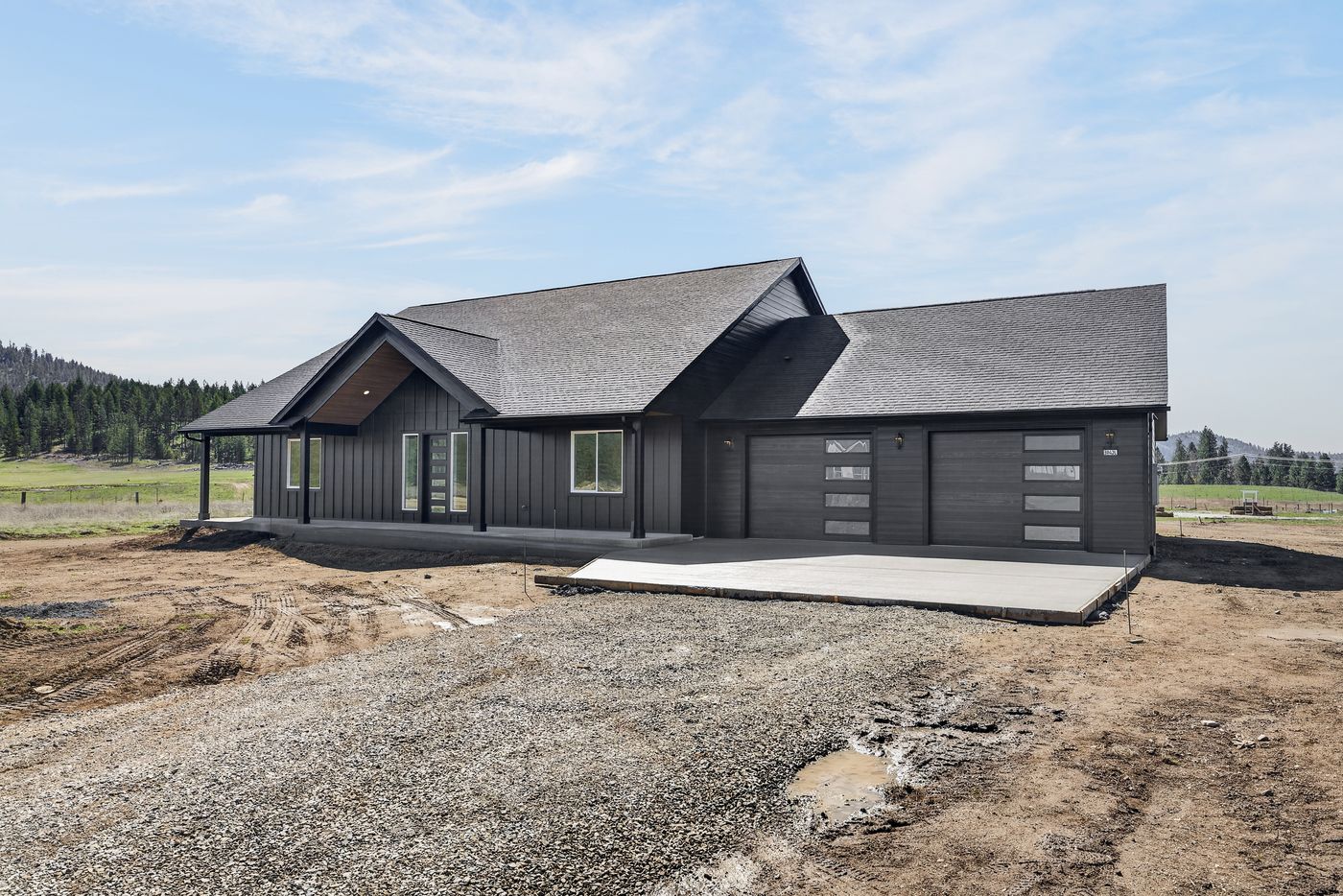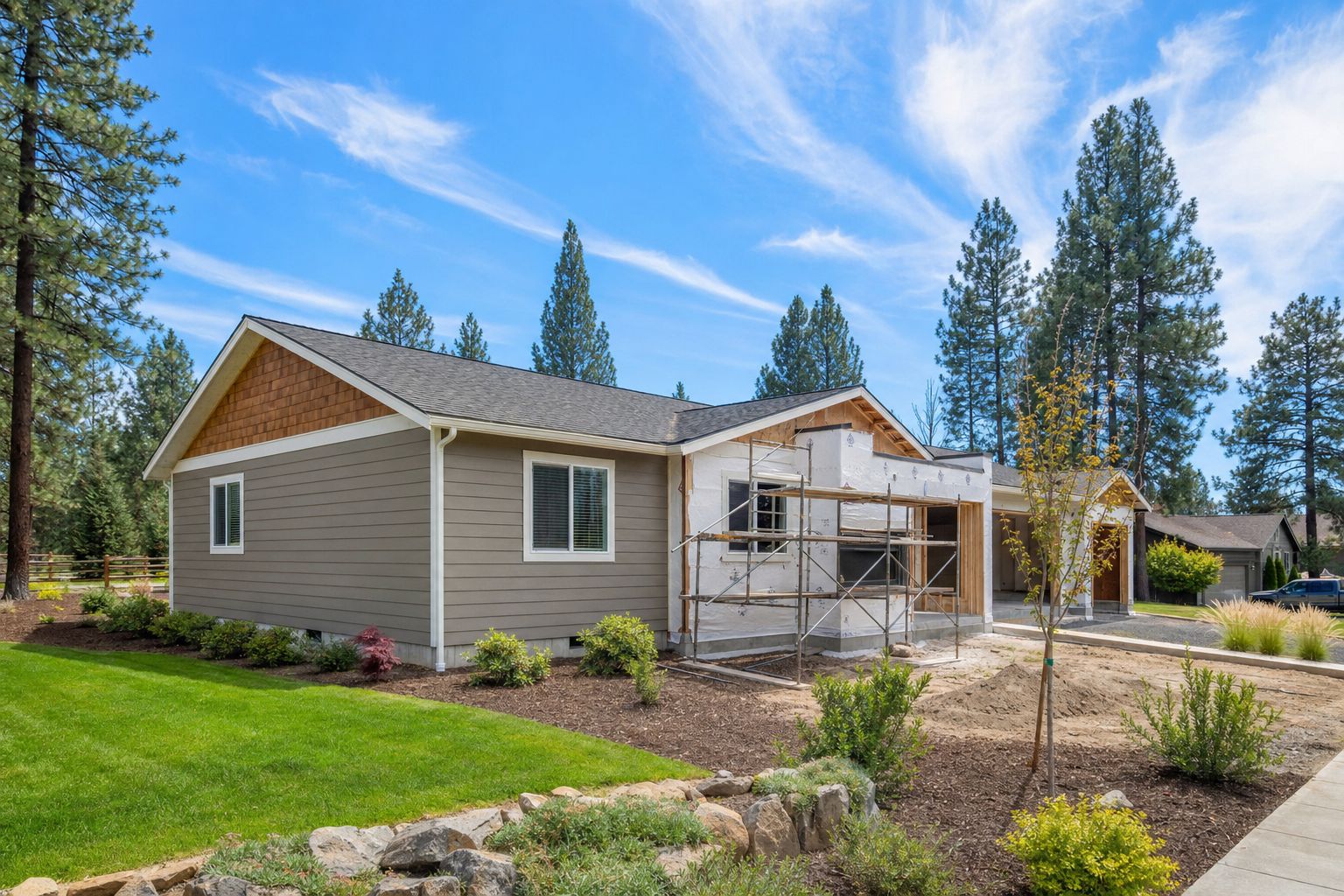

Siding Installation in Sandpoint, Idaho
Hardie Preferred siding contractor serving Sandpoint, ID. Installs detailed for months of standing snow. Licensed RCE-66940. Book a free estimate.
$1,000 Off
Your Complete Siding Replacement
Get a Free Estimate
FREE same-day estimates on all exterior projects.








Sandpoint doesn't measure winter in storms. It measures it in months of cover. The berm a plow leaves along a Boyer Avenue driveway in early December is frequently the same berm, denser and dirtier, that finally disappears in late March — and for that entire stretch, the lowest boards on the house sit inches from settled snow that softens every sunny afternoon and locks up again after dark. Schweitzer gets the powder headlines; the totals at lake level are what age a wall. Of every town of real size we work, Sandpoint holds snow against its houses the longest.
Domex Construction installs and replaces siding across town — the old grid between the lake and the highway, the mid-century blocks beyond it, and the view homes above Lake Pend Oreille — as a James Hardie Preferred Contractor that also hangs LP SmartSide and vinyl. Idaho license RCE-66940. Estimates are free and done in person.
Detailing a Wall That Spends Winter Buried
Manufacturer instructions call for keeping siding a set distance off grade and off any horizontal surface. In most markets you measure that from dirt. Here we plan it from the February snow line, because the pack functions as grade for a third of the year: it wicks meltwater into cut edges, splashes refreeze against the first course, and hides damage until spring. On a Sandpoint re-side we run taller starter clearances, seal every field cut, and favor trim details that shed rather than trap water at the base of the wall.
Roof-shed walls get their own plan. Steep metal roofing is everywhere in town for good reason, but each valley and eave concentrates its discharge somewhere — usually onto a lower wall, a bump-out, or the strip of cladding beside an entry. Those zones take avalanching ice, months of splash, and reflected UV, and they're where we find cracked vinyl, blistered paint, and rotted sheathing on nearly every estimate. Kick-out flashing where rooflines die into walls, upgraded material on the catch zones, and honest talk about gutter and snow-retention options are part of the siding conversation here, not a separate trade's problem.
The Grid Houses and the Lake Houses
Sandpoint's walkable core was framed in the early 1900s, and those homes still wear wood — original cedar under one or two later layers, on plank sheathing, usually with no weather barrier at all. Re-siding one is partly restoration work: reveals, corner boards, frieze trim, and window casings have proportions that make the block look right, and a generic modern trim package flattens them. We document those dimensions before demolition and rebuild them in the new material, so a 1912 house in fiber cement still reads as a 1912 house.
The custom builds ringing the lake and climbing toward Schweitzer are a different job in almost every way. Tall gables, mixed panel-and-lap designs, dark factory colors, and full wind exposure off Pend Oreille put the stress on joint layout, panel flashing, and fastener schedule rather than on carpentry archaeology. Staging a three-story view wall on a sloped lot is often the single biggest line in the bid — worth knowing before you collect quotes.
Siding for a House You're Not Always In
A large share of Sandpoint homes are second homes or short-term rentals, and an exterior nobody looks at for six weeks needs to be boring in the best way. Failing caulk, peeling paint, and popped nails get caught late when the owner lives in Seattle. This is the strongest local case for Hardie's ColorPlus factory finish: the color is baked on before the boards arrive, there's no repaint cycle to schedule from three hundred miles away, and washing it is the maintenance plan. For rental operators we also coordinate directly with property managers and send photo updates, so the project doesn't require the owner in town.
Hardie, SmartSide, and the Vinyl Question
Fiber cement doesn't absorb water and doesn't care about freeze-thaw, which is why it's our default recommendation against Sandpoint's long melt seasons. LP SmartSide earns its place on impact-prone walls — engineered wood shrugs off ice sliding from a metal roof better than any cement board — and its longer lengths keep big simple walls cleaner-looking. Vinyl deserves a straight answer: it's the budget option and we install it well, but deep-cold brittleness and roof-shed ice are hard on it in this specific town, and we'll tell you which walls of yours would punish it.
What Moves a Sandpoint Siding Bid
Square footage and story count set the floor. On the grid, the swing factors are tear-off (two layers of old siding is common) and concealed repair — unwrapped plank sheathing hides its rot until it's exposed, so our contracts spell out repair pricing before anyone swings a hammer. On view homes, staging and access drive the number. Everywhere, the material line and trim complexity move it: replicating historic casings costs more than picture-framing a window, and it's worth it on the right house.
Booking Against a Mountain-Town Calendar
We'll be straight about logistics: our crews come up from Spokane–Post Falls, and we work Bonner County in reserved multi-day blocks rather than pretending we have a truck parked in town. You get firm dates and a crew that stays until the phase is done. Summer blocks fill first. Cold-season installs are entirely workable — cement board goes up without complaint in January, and sealants simply wait for their temperature day — and rental owners often prefer shoulder-season work that dodges both ski bookings and lake season.
How We Run the Job
- Walk the house together — every wall, the roof-shed zones, the suspect trim — and talk materials on site.
- Put the full spec in writing: product, color, flashing details, and what hidden repairs cost if we find them.
- File the permit with the City of Sandpoint and build inspections into the schedule.
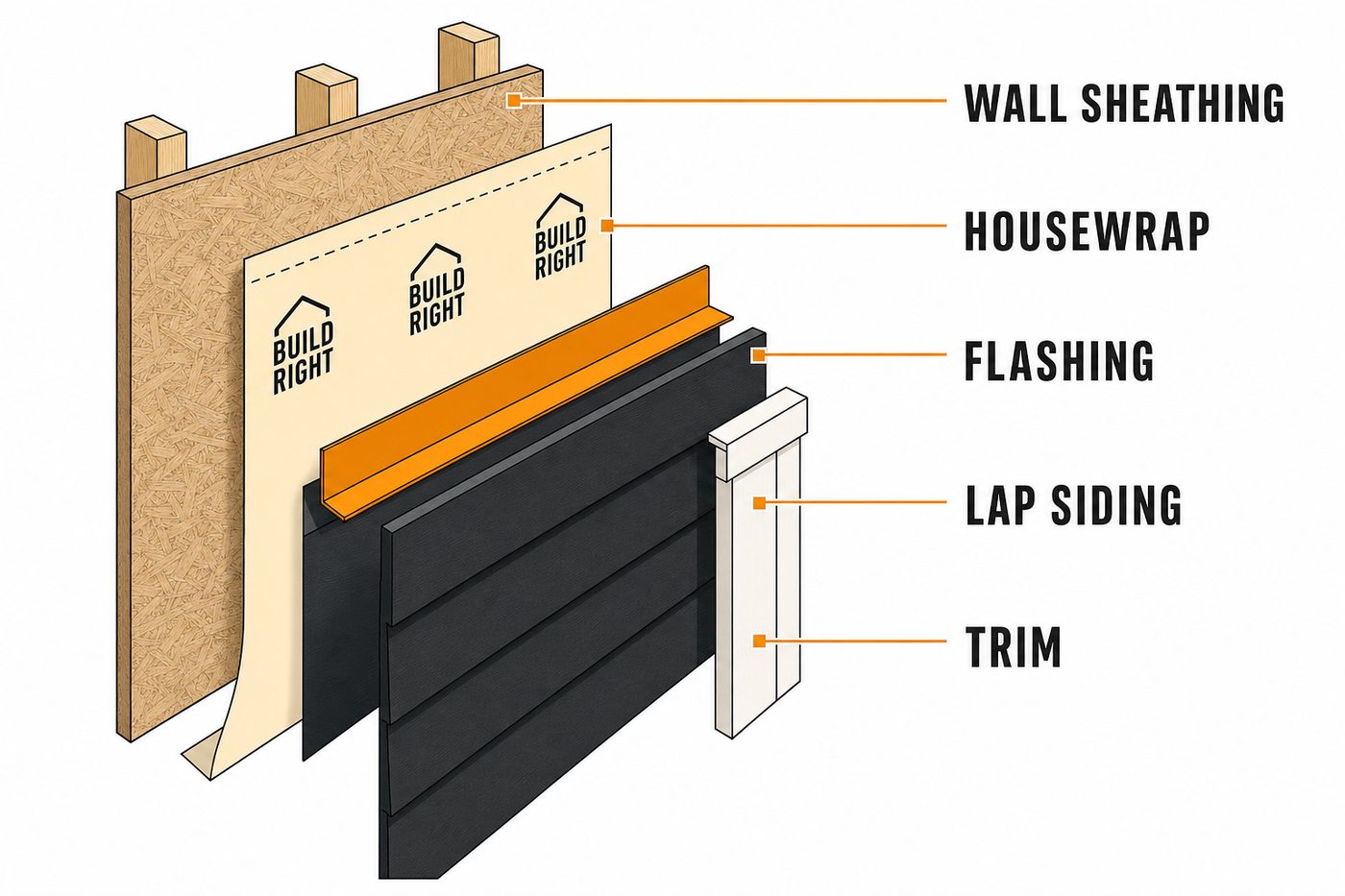
- Tear off, repair sheathing, and dry the house in with wrap and flashing before any new board goes up.
- Install, seal, haul off the debris, and walk every wall with you before the invoice.
Sandpoint Siding Questions
Does re-siding require a permit here? Inside city limits the work runs through the City of Sandpoint. We handle the application and the inspection scheduling — it's built into our process, not an extra.
Can you keep the historic look of my downtown house? Yes. We measure existing reveals, casings, and corner details before tear-off and reproduce them in fiber cement or engineered wood. The house keeps its era; the walls stop rotting.
Can siding go on with snow on the ground? It can, and we do it every winter. Board installation isn't temperature-limited the way paint and caulk are, so we sequence those steps for warmer windows and keep the project moving.
We're only in town some weekends — how does that work? Most of our second-home projects run without the owner present. You approve the written spec, we coordinate access with your property manager, and you get photo updates at each phase.
The wall under my roof valley looks terrible. Will new siding fix it? New siding alone won't — the discharge will just start on fresh material. We pair the re-side with kick-out flashing, tougher cladding in the catch zone, and, where it makes sense, changes to how the roof sheds. Then the fix lasts.
Hardie or LP for this climate? Hardie where standing snow and shade keep walls damp; LP where falling ice and impact are the threat. Many Sandpoint homes justify one product on three walls and the other above the roofline — we'll map it during the estimate.
How long does a re-side take? A modest grid house runs about a week of installed time; large view homes with staging can run several weeks. Because we schedule in dedicated blocks, you get a start date and a crew that stays on your house.
Is Domex actually local to Sandpoint? We're based about ninety minutes away between Spokane and Post Falls, and we won't claim otherwise. Bonner County projects get reserved crew blocks with committed dates — the schedule is honest, and it holds.
Licensed, Insured, Lookable-Up
Domex Construction carries Idaho contractor license RCE-66940 — verify it yourself through the Idaho Contractors Board — plus Washington license DAVYDCI833NC and full insurance. Nine years in business, thirty-two years of combined crew experience, and a workmanship warranty we're happy to explain at the estimate.
From Sandpoint we also serve Ponderay, Kootenai, Dover, Sagle, and Priest River.
Thinking about new siding before the next long winter? Estimates are free and on-site. Give us a call or request an estimate online.
More from Domex in Sandpoint: Window Replacement in Sandpoint · Custom Decks in Sandpoint · Custom Home Builder in Sandpoint · Siding Installation — Spokane hub