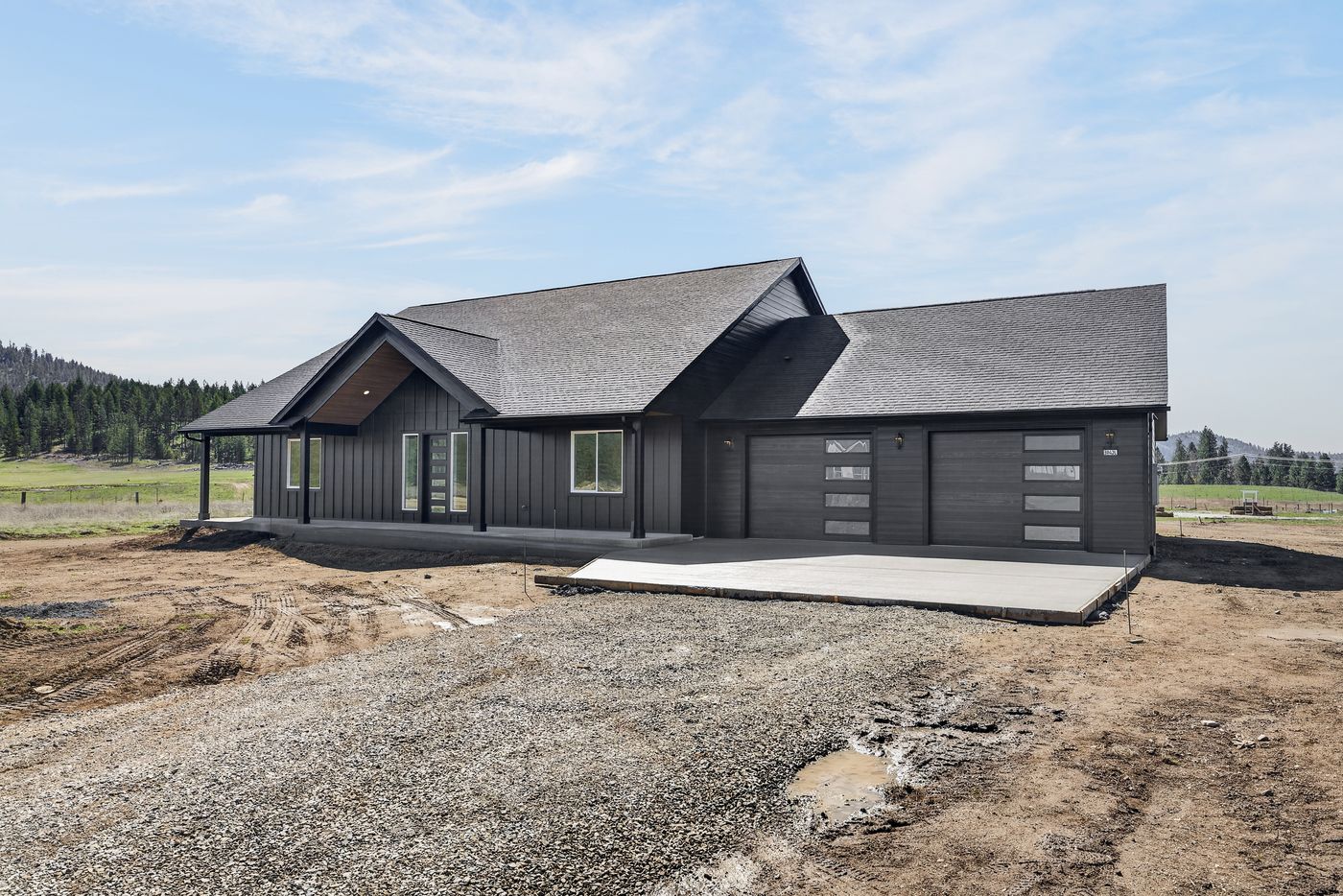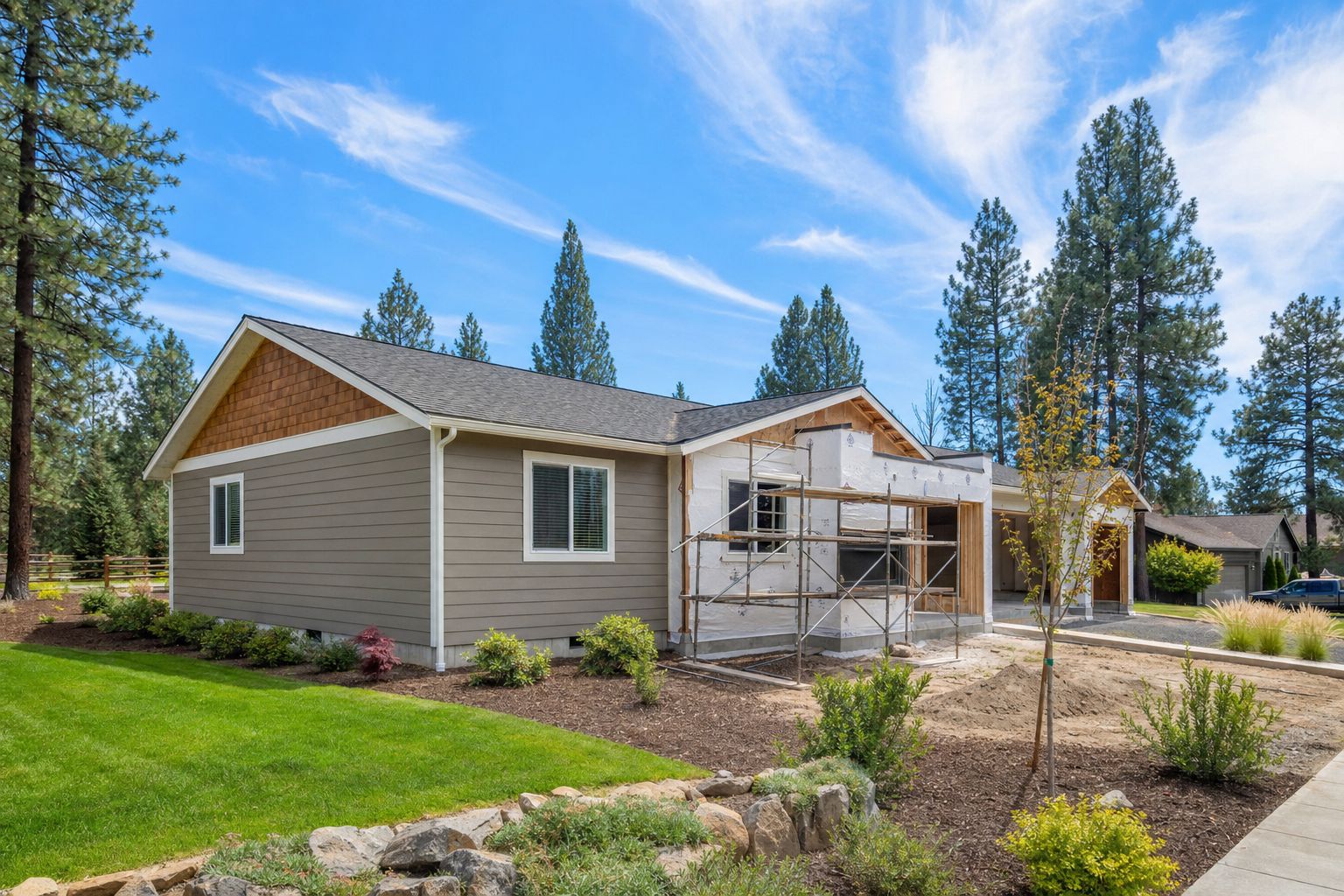

Siding Installation & Replacement in Kettle Falls, Washington
Siding replacement in Kettle Falls, WA by a Hardie Preferred contractor. Built for reservoir wind and Stevens County winters. Free estimates.
$1,000 Off
Your Complete Siding Replacement
Get a Free Estimate
FREE same-day estimates on all exterior projects.








Kettle Falls carries a housing history almost no other Washington town can claim: the whole community moved. When the reservoir behind Grand Coulee Dam began swallowing the Columbia in 1940, the original town beside the falls went under, and residents re-established themselves uphill at Meyers Falls — some buildings hauled up the grade on trucks, most housing built fresh in a compressed burst of construction. The practical consequence, eighty-plus years on, is that a large share of the town's homes belong to a single generation of building. They were framed the same way, sheathed the same way, and sided with the same materials — and now they're wearing out on roughly the same schedule.
Domex Construction re-sides those homes, along with the mid-century houses that filled in afterward and the newer places out toward the water. We're a James Hardie Preferred Contractor, we also install LP SmartSide and vinyl, and we work Kettle Falls under Washington license DAVYDCI833NC with crews based in Spokane. Free estimates, always on-site — a relocation-era wall can't be quoted from a photo.
What a Relocation-Era Wall Looks Like Under the Skin
Open up a 1940s Kettle Falls house and you find wartime-era carpentry: full-dimension lumber, board sheathing run diagonally or horizontally, tar paper if you're lucky, and no housewrap anywhere. The original siding was usually wood — drop siding or cedar lap — and on most houses it's still there, buried under one or two later layers of hardboard, T1-11, or vinyl that went on in the 70s through the 90s. Each layer trapped the problems of the one beneath it.
Tear-off on these homes is honest work with predictable surprises. Nail-sick boards. Rot at the bottom two courses where splashback and snow sat for decades. Soft sheathing under window corners where old flashing gave up. On houses that made the physical trip uphill, we sometimes find sill and foundation transitions that were improvised in 1940 and never revisited — the framing racked slightly during the move, and every siding layer since has been shimmed around it. None of this scares us, but all of it belongs in the written scope before demolition starts, not in a phone call halfway through. Our estimates probe the suspect zones and put rot-repair terms on paper up front.
The paint on original wood layers from this era frequently predates 1978, so lead-safe handling is part of how we run tear-off — containment, cleanup, disposal. Ask any bidder how they handle it; the answer tells you a lot.
Wind With a Runway, Winter With Teeth
Where the Columbia spreads into Lake Roosevelt, wind stops behaving like forest wind. Open water gives gusts a long fetch, and homes on the west and southwest exposures — especially anything with a sightline to the reservoir — take wind-driven rain and snow at pressures that shrug off caulk-and-paint maintenance. Wind pressure forces water sideways and upward into laps and joints, which is why flashing detail and joint treatment matter more here than on a sheltered Spokane lot.
Then winter parks on top of it. Stevens County gets real snow and long freezes, and the shaded north walls hold ice against bottom courses well into March. Freeze-thaw through the shoulder months levers apart any siding joint that's absorbed water. The install specification we write for a Kettle Falls wall — clearances above grade and snowpack, kick-out flashing at every roof-wall intersection, sealed penetrations, rainscreen detailing where the exposure justifies it — exists because of that wind-plus-freeze combination, not because a manufacturer brochure suggested it.
Choosing Between Hardie, LP, and Vinyl for This Valley
James Hardie fiber cement is our default recommendation for exposed and shaded walls alike. It doesn't absorb meltwater, doesn't move through freeze-thaw, and its ColorPlus factory finish holds up under the doubled UV load of sun plus snow-glare. On reservoir-facing walls taking wind-driven moisture, it's the most forgiving material we hang.
LP SmartSide earns its place on impact-prone exposures — tree-lined lots on the edge of town, walls that catch ice shed off metal roofs, driveways where a plow throws gravel. Engineered wood takes hits fiber cement would crack under, and its longer boards mean fewer field joints on the big plain walls these 1940s houses tend to have. The trade: every cut edge must be sealed in the field, a discipline point we treat as an inspection item.
Vinyl remains the budget path, and modern heavy-gauge vinyl is a different product from the 90s sheets we tear off. The caveat is wind: vinyl is hung loose by design, and reservoir gusts will find any panel that was face-nailed tight or locked short. If vinyl is the right call for your project, the nailing schedule is what we'll be fussy about.
Plenty of Kettle Falls homes justify a split spec — fiber cement on the weather walls, engineered wood where branches and ice are the threat. We'll tell you which walls are which.
What Moves the Number
We quote fixed prices after walking the house, and a few variables do most of the deciding. Layer count is first — a house wearing three generations of siding costs more to strip than one wearing its original coat. Substrate repair is second, and on relocation-era homes it's the line we scope hardest. Wall height, stories, and staging come next, then trim complexity and opening count, since every window and door is flashing labor. Material line and factory-finish options set the rest. What we don't do is price by the square foot off a satellite image; that's how mid-job change orders get manufactured.
Five Stages From Handshake to Walkaround
- On-site estimate. Every wall, every suspect corner probed, roof shed lines mapped. You get an honest read on what's under there.
- Written specification. Material, color, trim, flashing schedule, and rot-contingency language — all on paper before you sign anything.
- Permits. Inside city limits the paperwork runs through the City of Kettle Falls; rural parcels go through Stevens County. We file and track both.
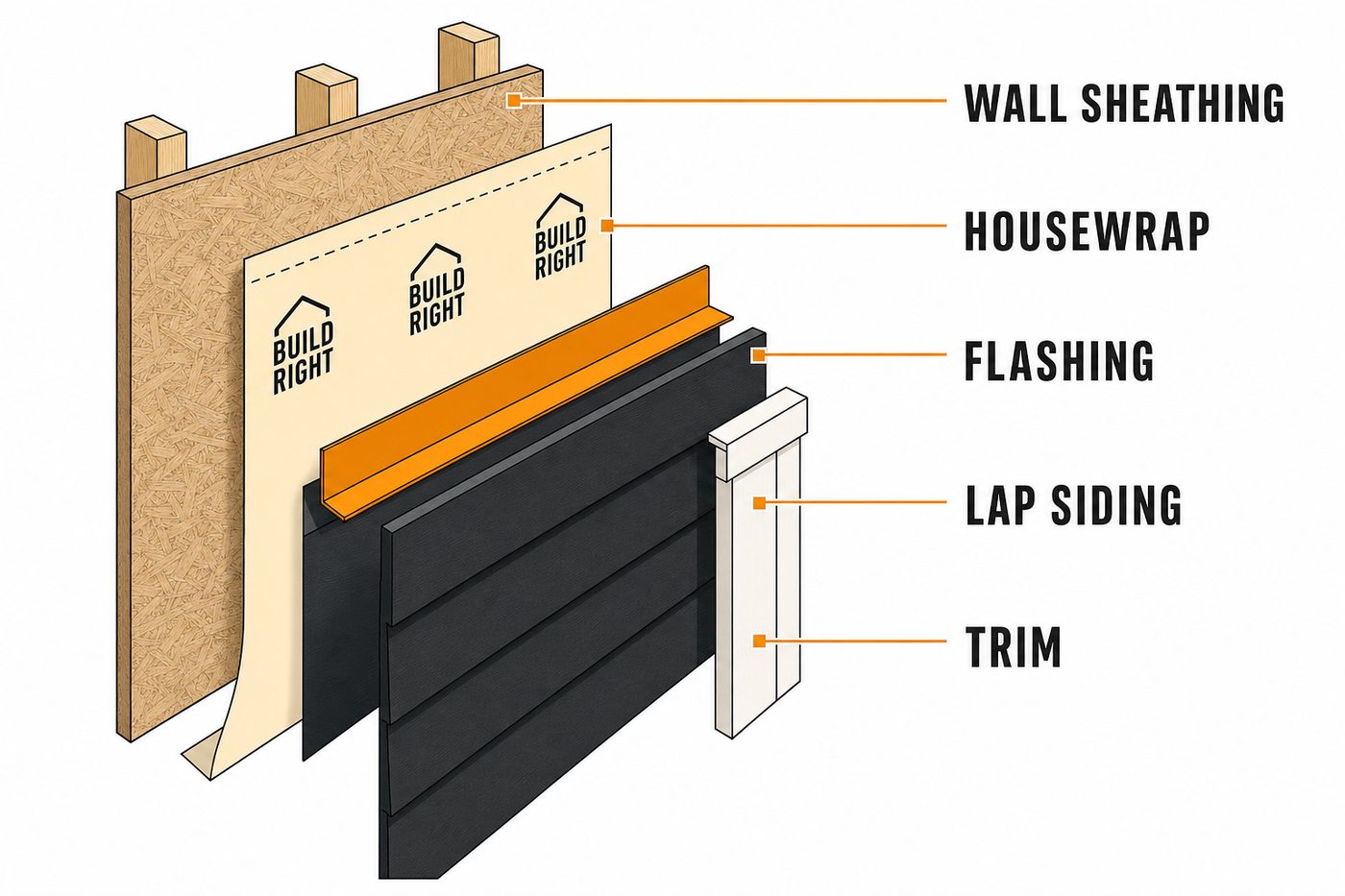
- Tear-off and correction. Layers off, lead-safe practices where the paint calls for it, sheathing repaired, wrap and flashing detailed for wind-driven water.
- Installation and closeout. Siding hung to manufacturer spec — which is what keeps the product warranty valid — then sealants, cleanup, and a wall-by-wall review with you.
How Scheduling Works From a Spokane Base
Kettle Falls jobs run as multi-day committed crew blocks, scheduled alongside our Colville work so the drive up 395 serves several projects at once. That structure is good for you: once your block starts, the crew is yours until the house is wrapped up, not split across town. A typical single-story runs several days; large or heavily layered homes take a couple of weeks. Summer and early fall book earliest. Cold-season installs are workable — fiber cement hangs fine in freezing weather, while caulk and touch-up coatings get sequenced into temperature windows.
Questions We Hear in Kettle Falls
My house was built right after the town moved. Does that change the job?
Usually yes, in scope rather than feasibility. Board sheathing, absent housewrap, and layered siding are the norm for that cohort, so tear-off and wall prep carry more of the budget than they would on a 1990s house.
Is vinyl a mistake this close to Lake Roosevelt?
Not automatically, but the wind exposure makes installation quality decisive. Properly hung heavy-gauge vinyl holds; tight-nailed bargain vinyl becomes a kite. On direct reservoir exposures we'll usually steer you toward fiber cement.
Do you handle the lead paint issue on older homes?
Yes. Pre-1978 painted layers get lead-safe containment, cleanup, and disposal as part of tear-off. It's a scope line, not an extra you have to request.
Can you side over the existing layers instead of stripping?
We advise against it here. The 1940s cohort hides exactly the substrate problems that layering conceals, and each added layer shallows the flashing depth at every opening.
What clearance should siding have above ground and snow?
Manufacturer minimums above grade, and in practice more where snow piles against a wall or a roof valley dumps. Bottom-course rot is the most common failure we tear out in this county.
How far out are you booking?
It varies by season — spring calls get the best pick of summer blocks. Because Kettle Falls runs as scheduled crew blocks with Colville, you get a firm window rather than open-ended availability.
Do you fix rot or just cover it?
Fix it. Compromised sheathing and framing get cut out and replaced before wrap goes on, under the contingency terms written into your spec.
Licensing and Where We Work
Domex Construction holds Washington contractor license DAVYDCI833NC — verifiable through Labor & Industries — and full insurance. Nine years in business, thirty-two years of combined crew experience, and a workmanship warranty behind the manufacturer coverage on Hardie and LP products; ask for the specifics at your estimate. From Kettle Falls we serve Colville, Marcus, Evans, the homes along Lake Roosevelt, and rural parcels across Stevens County.
Ready to find out what's under those layers? Free on-site estimates throughout Kettle Falls and Stevens County. Give us a call or request an estimate online.
More from Domex in Kettle Falls: Window Replacement in Kettle Falls · Custom Decks in Kettle Falls · Custom Home Builder in Kettle Falls · Siding Installation — Spokane hub