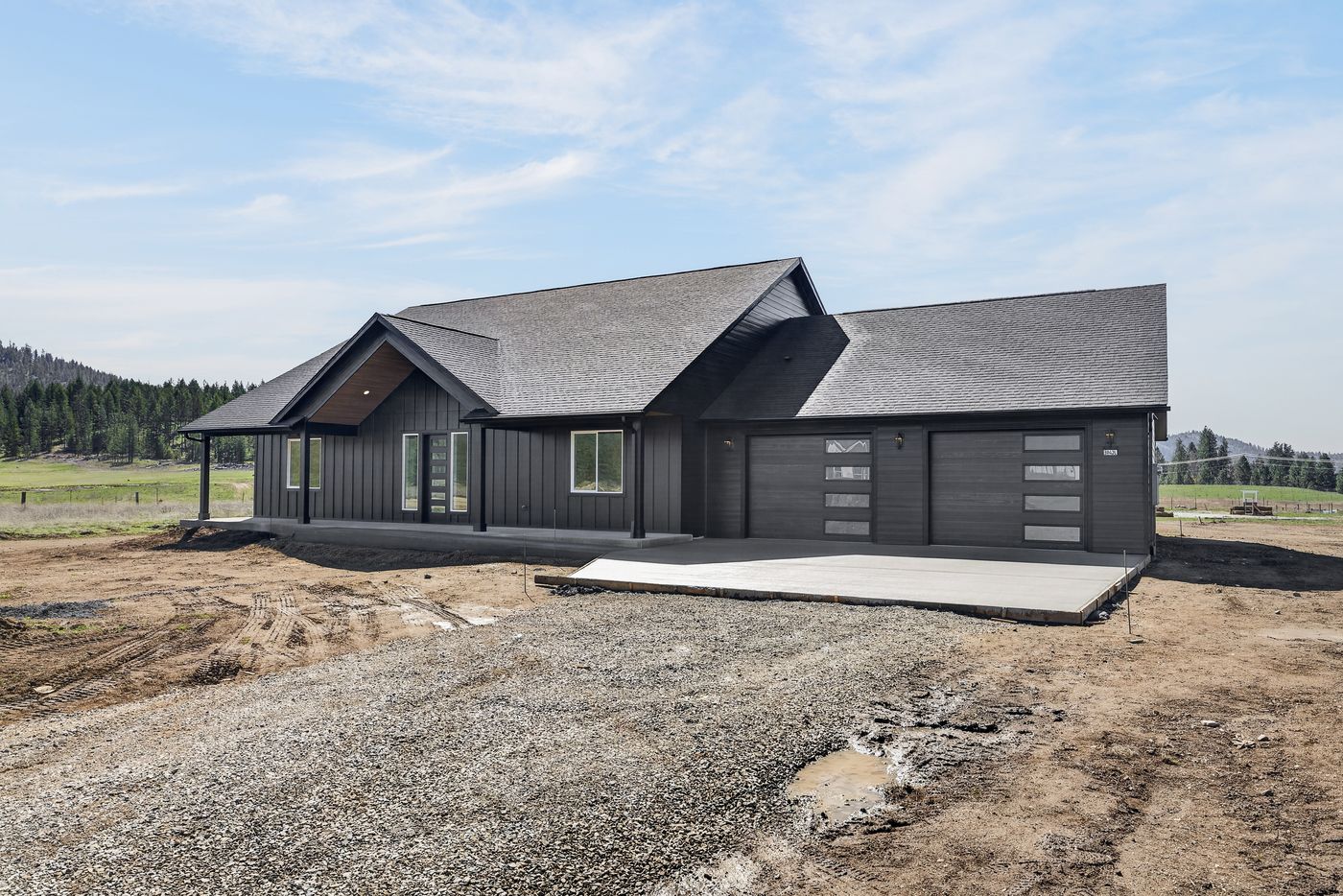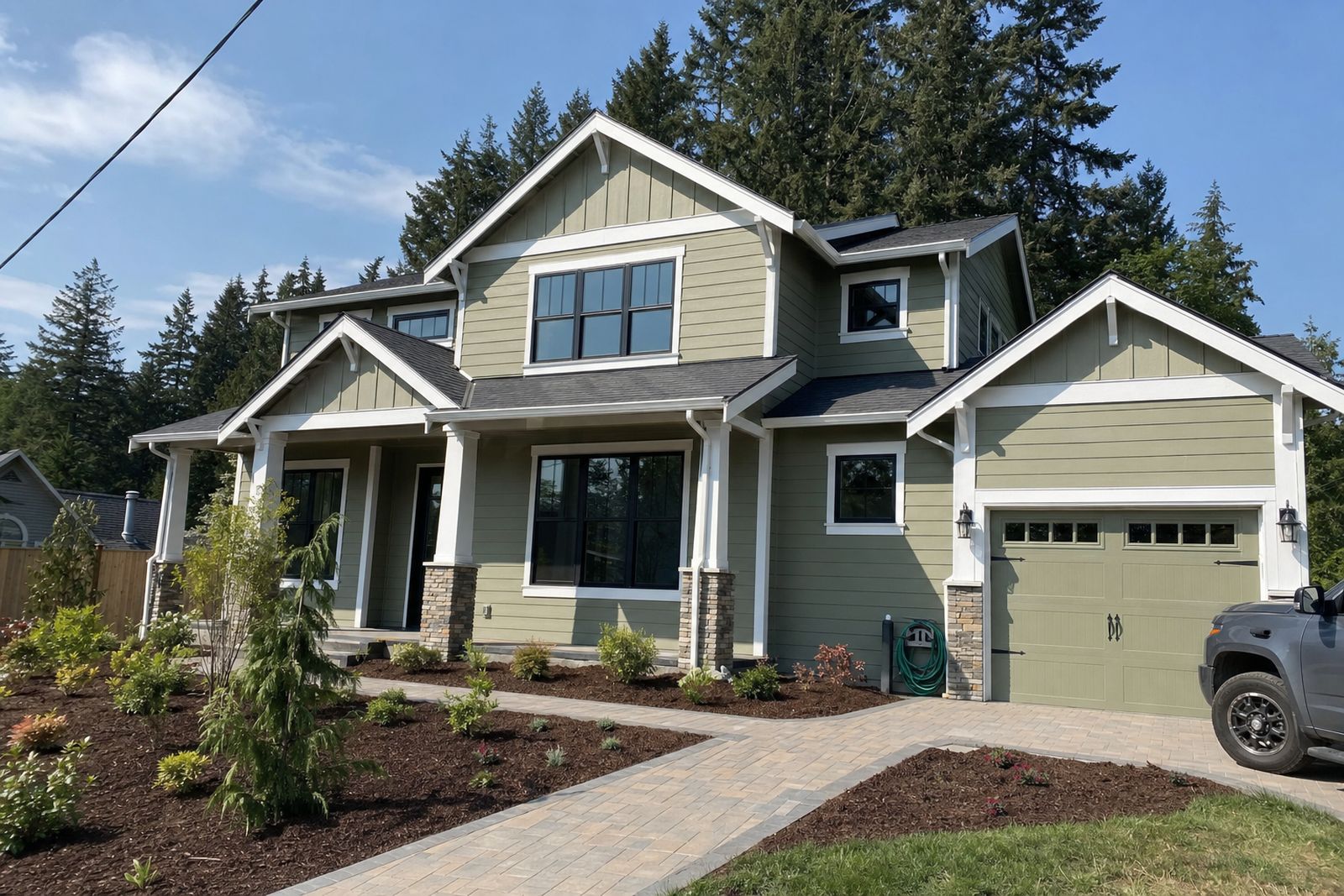

James Hardie Siding in Spokane
James Hardie siding in Spokane from a Hardie Preferred contractor. HZ5 boards, ColorPlus finishes, installs to spec. Request a free estimate online.
$1,000 Off
Your Complete Siding Replacement
Get a Free Estimate
FREE same-day estimates on all exterior projects.








Compare Siding Materials
The three walls we install most, with the tradeoffs stated plainly.
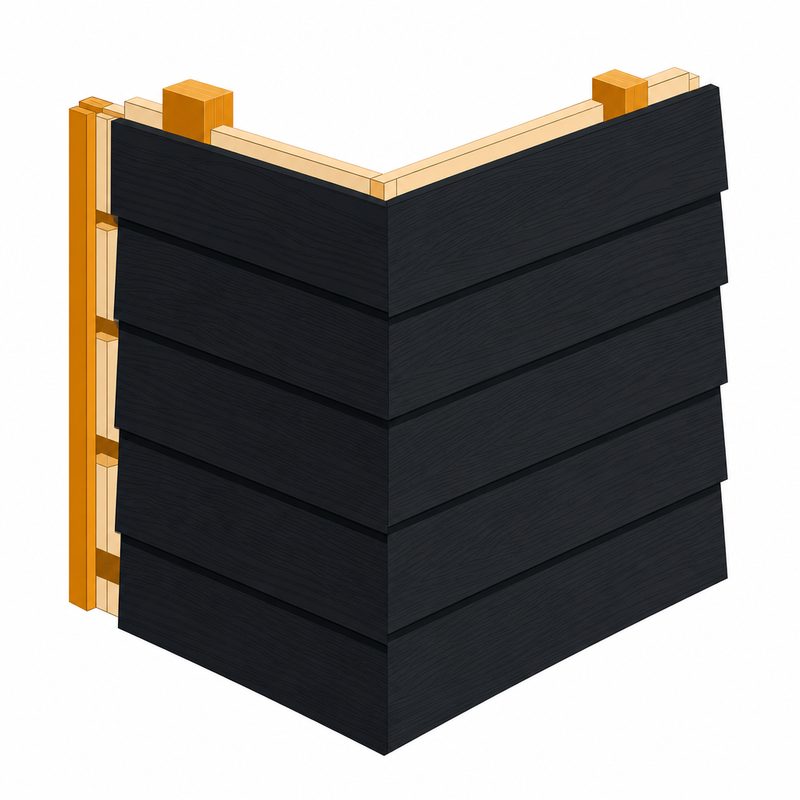
James Hardie
Material: Fiber cement
Best For: Maximum durability & fire safety
Maintenance: Repaint roughly every 15+ years
Fire Rating: Class A, noncombustible
Rot & Pests: Immune to both
Warranty: 30-year limited (manufacturer)
Cost: $$$
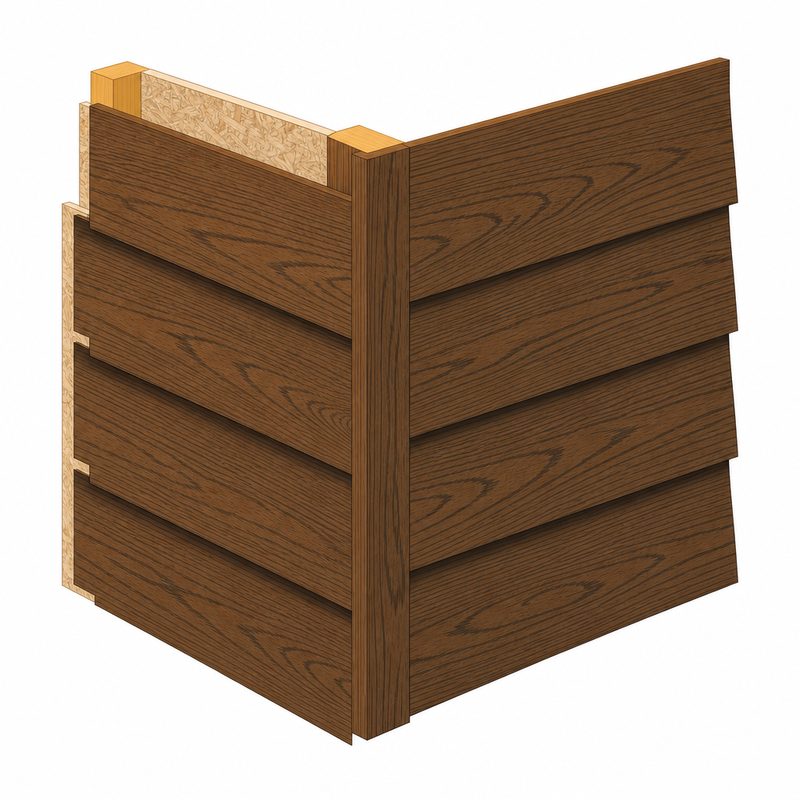
LP SmartSide
Material: Engineered wood
Best For: Wood look, hail & impact resistance
Maintenance: Repaint every 10 to 15 years
Fire Rating: Standard combustible cladding
Rot & Pests: Treated against both
Warranty: 5/50-year prorated (manufacturer)
Cost: $$
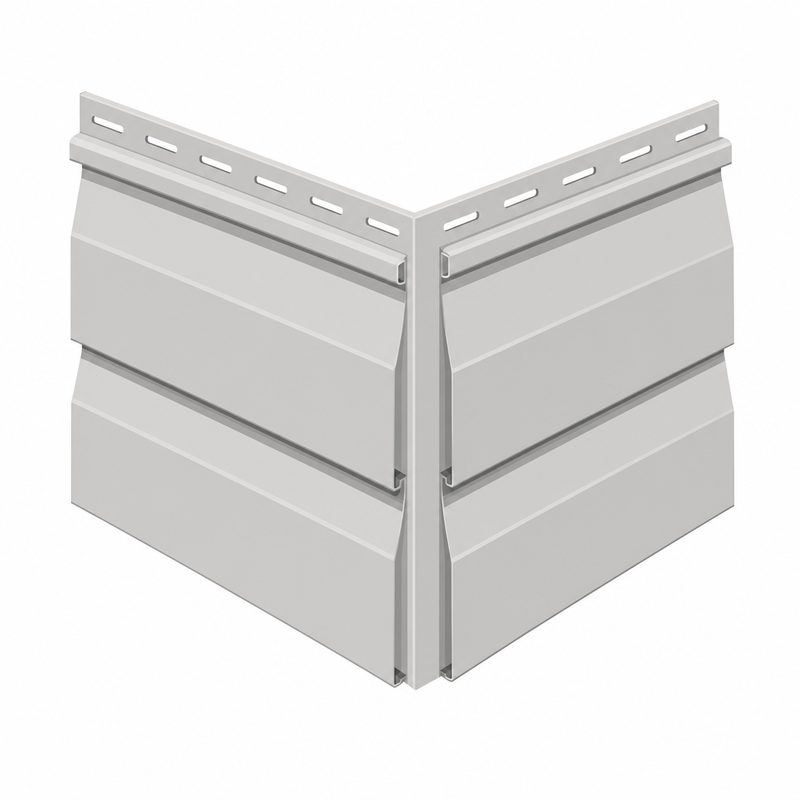
Vinyl
Material: PVC
Best For: Budget projects & rentals
Maintenance: Wash it; never paint it
Fire Rating: Melts near heat sources
Rot & Pests: Immune; can crack in deep cold
Warranty: Varies; often lifetime limited
Cost: $
We install all of the above and will tell you which fits your house, honestly.
When Kendall Yards began filling the bluff above the river with new construction in the 2010s, nearly every wall that went up was fiber cement. Whatever the architects intended, the effect on the rest of Spokane was practical: homeowners on ordinary streets could suddenly drive ten minutes and see whole blocks of the material weathering real winters, years into service. Fiber cement stopped being a picture in a brochure and became the look of new Spokane — and the older neighborhoods took note. A meaningful share of our calls now open with some version of "we want what Kendall Yards has."
Most of what Kendall Yards has is James Hardie. Domex Construction installs it across Spokane as a James Hardie Preferred Contractor — a standing the manufacturer extends to vetted installers who put its products on to the published specification, the same specification the warranty is written around. We've carried it through nine years of local work, with 32 years of combined crew experience and Washington license DAVYDCI833NC behind every job.
What "Preferred" Means When You're Comparing Installers
Anyone with a truck can buy Hardie boards — the product is sold openly, and installation quality is the variable that decides whether it performs. The Preferred Contractor program is Hardie's answer to that variable. The manufacturer screens the company behind the credential — licensing, insurance, install history — and the contractor commits to installing per Hardie's requirements rather than per whatever habits the crew brought from its last product. You can confirm any company's standing through James Hardie directly, which makes this one of the few contractor credentials a homeowner can independently check.
The practical stakes sit in the warranty. Hardie's coverage assumes the boards went on the way the installation documents describe; the common failure stories — swollen bottom edges, cracked fastener lines, stains crawling up from a roofline — trace back to installs that ignored those documents. Buying the right product from the wrong installer gets you the wrong wall with a familiar logo on the delivery pallet.
Built for This Winter: The HZ5 Line
Hardie doesn't ship one universal board. The lineup splits by climate engineering, and everything specified for Spokane comes from the HZ5 series — boards formulated for regions with freezing temperatures, wet winters, and swings between the two. Spokane is nearly the use case in miniature: shoulder seasons that cross freezing overnight and thaw by noon from October into November and again February through April, snow resting against bottom courses for months, then a sprint into 90s-and-100s summer heat. Wood-based sidings physically move through those swings, opening joints and stressing paint. HZ5 fiber cement is engineered not to — it doesn't drink meltwater, swell at cut edges, or split along nail lines when the temperature dives, and the dry summer heat that warps vinyl leaves a cement board flat.
ColorPlus or Paint-on-Site?
Hardie boards arrive one of two ways: primed for field painting, or factory-finished with ColorPlus — color baked on in controlled conditions, coat by coat, before the board ever sees a jobsite. In Spokane the difference declares itself on south and west walls. Our summers deliver long runs of cloudless, bone-dry heat, and winter adds UV bounced up off snow; field paint weathers as fast as the painter's cure window and prep allowed, while a factory finish never had a cold night or a dusty afternoon to survive. ColorPlus resists fade measurably better and carries its own manufacturer coverage — ask us for the specifics at your estimate.
Field paint still has a case: unlimited color choice, simpler future color changes, and on intricate custom trim packages it can be the practical route. We install both and will price both. Our honest lean: on a broad lap-siding field facing south, ColorPlus is usually the better ten-year decision, with chips and cut ends handled by matched touch-up as part of a spec-correct install.
Four Products, Four Kinds of Spokane House
HardiePlank lap siding is the volume product — the horizontal line you see across Kendall Yards and most of our re-sides, in several exposures and textures.
HardiePanel vertical sheets, usually dressed with battens, build the modern board-and-batten look newer infill favors, and pair with Plank for contrast on gables and entries.
HardieShingle reproduces sawn cedar shake, which earns its keep on South Hill, Browne's Addition, and Perry District craftsman homes — gable ends and bays where original shingle detail belongs but original shingle maintenance doesn't.
Artisan is the premium thick-board line: deeper shadow lines and heavier edges for houses where standard lap would read thin.
On pre-war houses these get mixed deliberately — Plank field, Shingle gables, built-up trim — so a 1920s home keeps its period face while shedding its period upkeep.
Embers, Smoke Seasons, and Your Insurer
Fiber cement is noncombustible, and that has quietly become a Spokane selling point. After several August–September smoke seasons in a row, wildfire risk is now a question on insurance paperwork, and some carriers have started asking specifically what a home's exterior is made of. A cement board doesn't ignite from ember contact the way wood-based claddings can. We won't promise premium changes — that math belongs to your carrier — but "noncombustible fiber cement siding" is an answer underwriters like hearing, and more than a few of our re-sides were scoped with that conversation partly in mind.
The Details the Warranty Hangs On
The install spec is where "Preferred" stops being a logo and starts being labor. Bottom edges hold clearance above grade and measured gaps above roofing, decks, and hard surfaces, because edge-wicking is how any siding dies young. Kick-out flashing goes in at every roof-to-wall intersection to throw water into the gutter instead of down inside the wall. Fasteners follow the schedule — right type, right placement, right spacing — since boards pinned wrong crack along the nail line under thermal stress. Butt joints get treated the way the finish requires rather than smeared with whatever caulk is on the truck.
None of these details shows up in a finished photo, and every one of them decides what the wall looks like ten winters out. Most are checkable from your own driveway once you know where to look, which is why we point each of them out during the final walkthrough instead of asking you to take the install on faith.
Where Hardie Isn't the Answer
We install three siding systems, so this comparison isn't a sales funnel. LP SmartSide is engineered wood — tougher against impact, lighter, sold in longer boards that cut down seams on big plain walls. Where hail, errant basketballs, or ladder traffic top your risk list, or where deep woodgrain texture is the whole point, LP is a legitimate winner. Vinyl siding remains the rational pick for tight budgets, rentals, and short ownership horizons; Hardie costs more than either alternative, and pretending otherwise would waste your walkthrough. What Hardie holds over both is the combination: noncombustibility, dimensional stability through freeze-thaw, and factory finish longevity in one board. If you're still weighing categories rather than brands, our Spokane siding contractor page surveys the whole field.
From Sample Board to Final Walkthrough
- Estimate with samples in hand. We bring Plank, Panel, and Shingle samples to the walkthrough, measure every wall, and probe the spots where old siding tends to hide trouble.
- A spec you can hold. Product line, profile and exposure, ColorPlus color or paint scope, trim package, flashing details, and rot-contingency terms, all in writing before you sign.
- The permit, filed with the right office. The City of Spokane reviews work inside its limits; addresses outside them answer to Spokane County's building department, with its own checklist. We confirm which side of that line you're on and handle the filing.
- Tear-off and substrate correction. Old cladding comes off, sheathing gets repaired, and the wall is brought to the flat, solid, wrapped condition the Hardie spec assumes before the first board is cut.
- Install to the letter, then the tour. Clearances, kick-outs, fastener schedule, joint treatment — installed per the documents, then shown to you detail by detail at the walkaround.
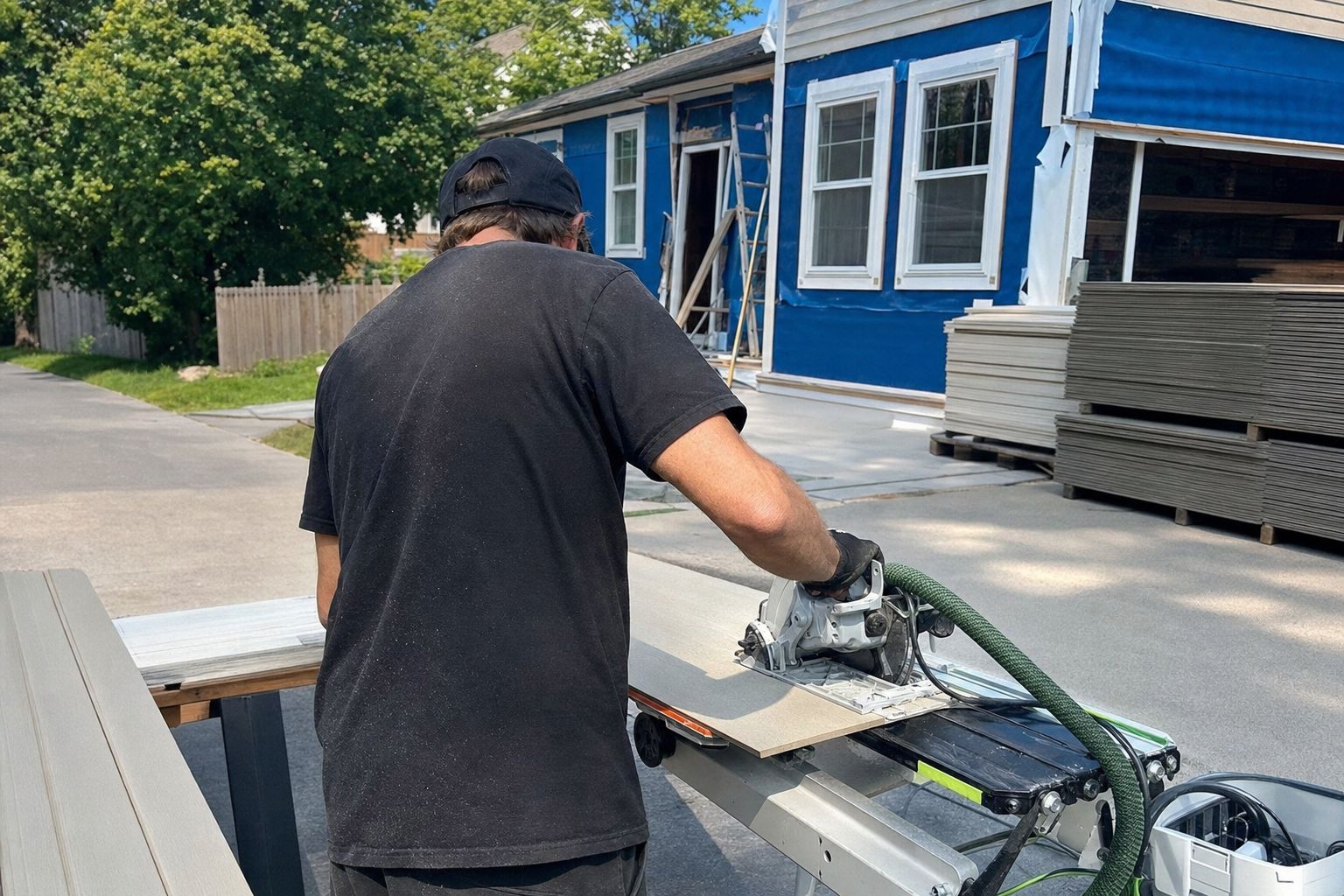
Hardie boards cut at the station with dust collection, never dry-cut against the wall.
Hardie Questions, Answered Straight
What does "James Hardie Preferred Contractor" actually get me? An installer the manufacturer has screened and that has committed to installing per Hardie's published requirements — the requirements the product warranty assumes. It's also independently verifiable through Hardie, which most contractor claims are not.
What is HZ5, and do I need it? Hardie engineers separate product formulations by climate. HZ5 is the freezing-climate line, built for freeze-thaw cycling and wet-cold winters, and it's what gets specified for Spokane. You don't have to request it; you should confirm any bidder knows it.
Will ColorPlus fade on my south-facing wall? Every finish weathers eventually, but the baked-on factory coats resist Spokane's summer UV and snow glare far better than field paint, and the finish carries its own manufacturer coverage. Lighter colors stretch the timeline further on hard south exposures.
Can fiber cement go up in a Spokane winter? The boards don't mind cold at all. Sealants and touch-up coatings have temperature floors, so winter jobs get sequenced around those windows — and winter booking usually means a shorter wait.
Will Hardie siding change my insurance bill? We can't promise that and won't. What's true: it's noncombustible, carriers here have started asking about ember-resistant exteriors, and your agent can tell you what that's worth on your specific policy.
What's the difference between HardiePlank and Artisan? Thickness, mostly, and what thickness buys: Artisan boards are heavier-bodied with deeper shadow lines and crisper edges. On most homes standard Plank is the right spend; Artisan belongs on projects where the siding is the architecture.
Can Hardie be installed over my existing siding? The spec assumes a flat, solid substrate, and old siding is rarely either — so our default is tear-off. On Spokane's older walls, overlay also buries exactly the sheathing problems you'd want found while they're cheap to fix.
How is Hardie different from LP SmartSide? Cement versus engineered wood. Hardie wins on fire resistance, moisture indifference, and finish longevity; LP wins on impact resistance and board length. We install both, and the right call depends on which risk your particular walls face first.
Is fiber cement hard on the house or the crew? It's heavy and it cuts with silica dust, which is our problem, not yours — proper saws, dust control, and handling are part of installing this product competently. Your framing carries the weight without any special preparation.
Verify, Then Decide
Domex Construction holds Washington contractor registration DAVYDCI833NC, fully insured, with the record — bond, insurance, status — publicly viewable through the Washington State Department of Labor & Industries contractor verification tool. Our Hardie Preferred standing is confirmable through James Hardie, and Idaho work runs under license RCE-66940. From Spokane we install Hardie across the metro and a 100-mile radius, including Spokane Valley, Liberty Lake, Cheney, Deer Park, and North Idaho.
Curious what a Hardie exterior would look like on your street? Give us a call or request an estimate online — we'll show up with sample boards and leave you a written spec worth comparing.