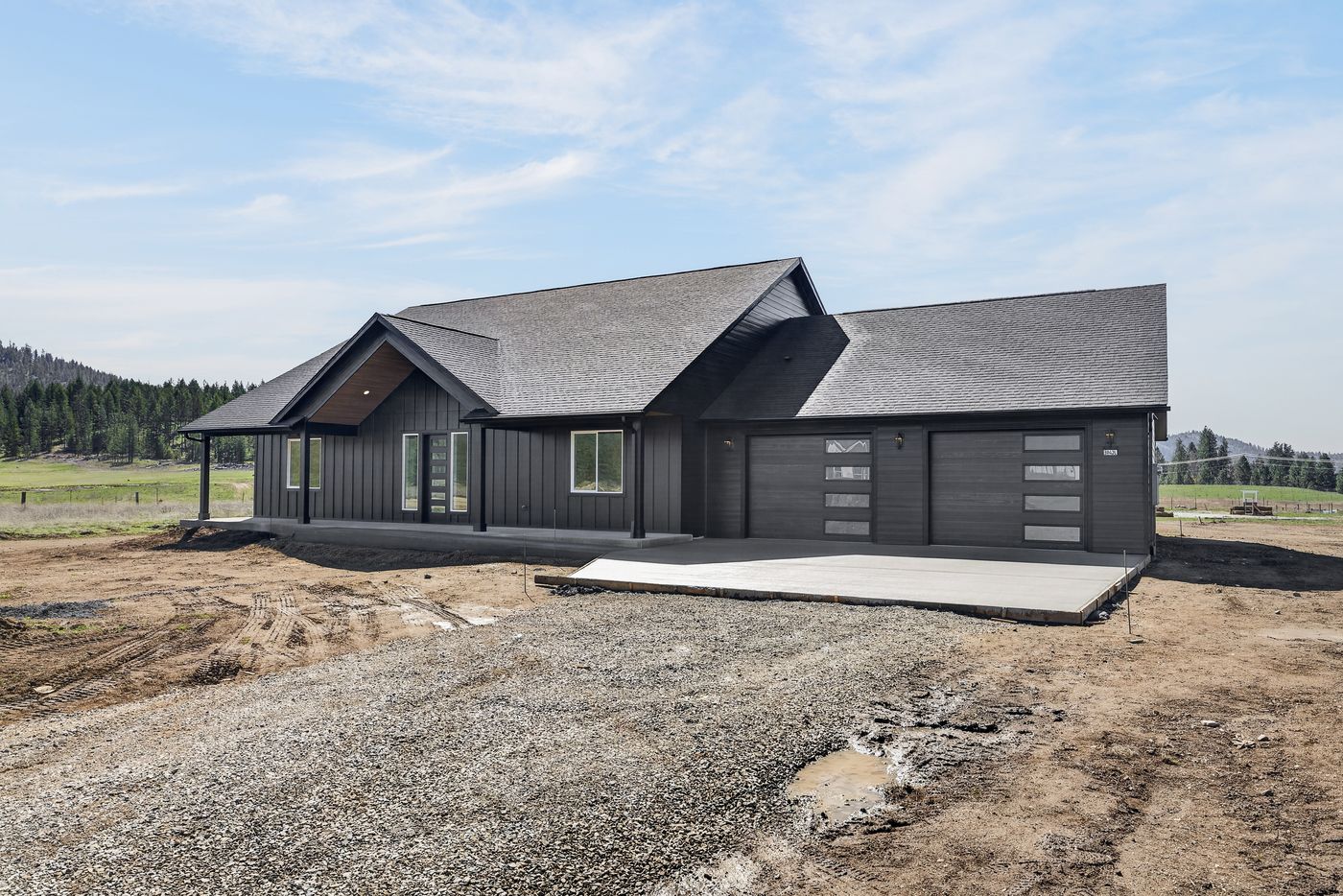

Siding Contractors in Spokane
Spokane siding contractors for James Hardie, LP SmartSide & vinyl replacement. Written specs, licensed WA crews. Request a free estimate online.
$1,000 Off
Your Complete Siding Replacement
Get a Free Estimate
FREE same-day estimates on all exterior projects.








Compare Siding Materials
The three walls we install most, with the tradeoffs stated plainly.
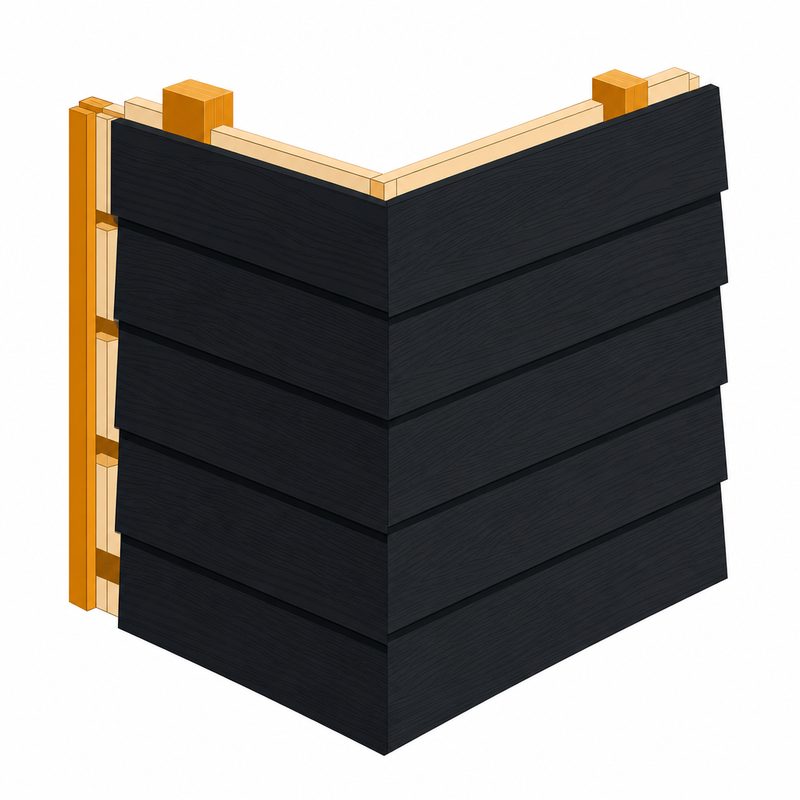
James Hardie
Material: Fiber cement
Best For: Maximum durability & fire safety
Maintenance: Repaint roughly every 15+ years
Fire Rating: Class A, noncombustible
Rot & Pests: Immune to both
Warranty: 30-year limited (manufacturer)
Cost: $$$
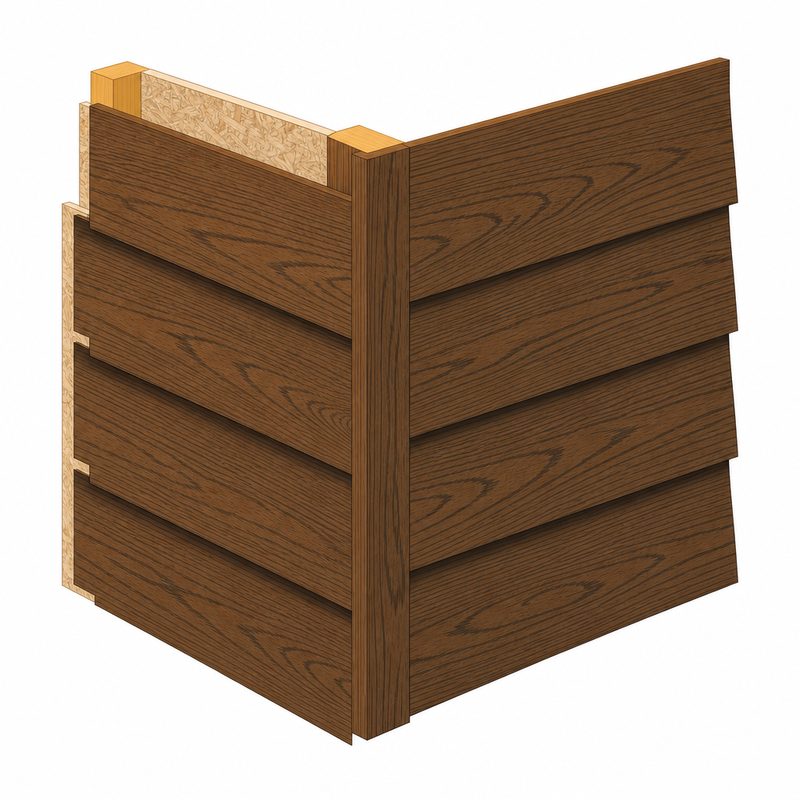
LP SmartSide
Material: Engineered wood
Best For: Wood look, hail & impact resistance
Maintenance: Repaint every 10 to 15 years
Fire Rating: Standard combustible cladding
Rot & Pests: Treated against both
Warranty: 5/50-year prorated (manufacturer)
Cost: $$
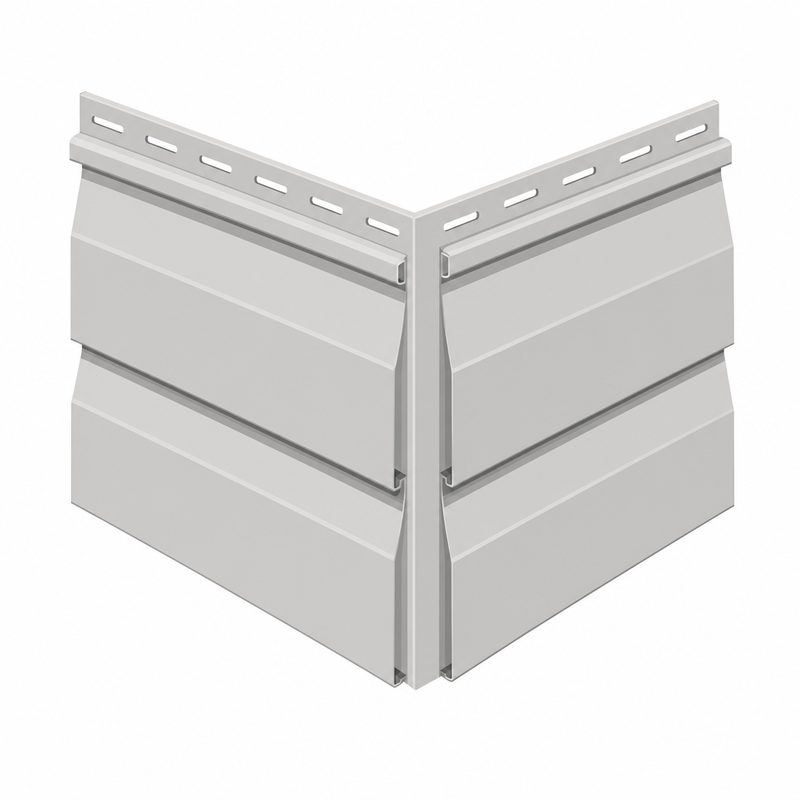
Vinyl
Material: PVC
Best For: Budget projects & rentals
Maintenance: Wash it; never paint it
Fire Rating: Melts near heat sources
Rot & Pests: Immune; can crack in deep cold
Warranty: Varies; often lifetime limited
Cost: $
We install all of the above and will tell you which fits your house, honestly.
The re-siding work moving through Spokane right now is really two waves at once. The first is hardboard: the pressed-wood panels hung on Shadle Park and northeast ranches through the 1970s and 80s have reached the age where paint stops holding and bottom edges swell every spring no matter how often they're touched up. The second is builder-grade vinyl from the 1990s and 2000s growth up Five Mile Prairie and Indian Trail — faded on the south walls, brittle enough now to crack under a hailstone or a weed-trimmer tap.
What goes up in place of both, more often than anything else, is fiber cement. Part of that is Kendall Yards, where a whole neighborhood of new infill made Hardie board the default look for modern Spokane construction. Part of it is insurance: after several August–September smoke seasons in a row, carriers have started asking homeowners what their exterior is made of, and an ember-resistant cladding is an easier conversation than cedar. Domex Construction has been installing siding across Spokane for nine years as a James Hardie Preferred Contractor, with 32 years of combined field experience on the crews and Washington license DAVYDCI833NC behind the work.
How to Compare Siding Bids
Most Spokane homeowners collect two or three bids, and the bids rarely describe the same job. Reading them side by side is a skill, so here is what we'd check on anyone's proposal, including ours.
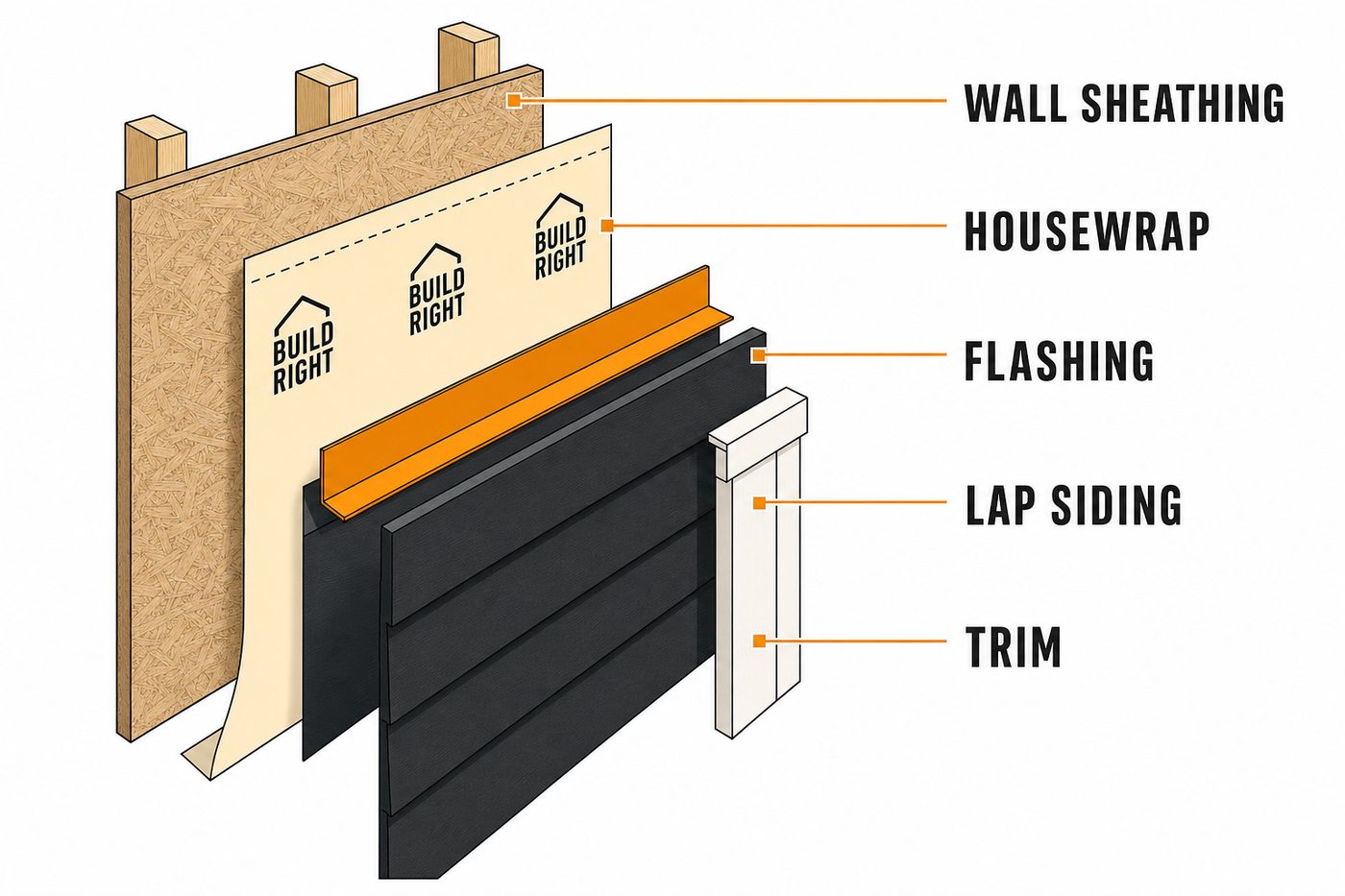
Is the spec in writing? Product line, profile, color, trim package, housewrap, and flashing details should be named on paper — not "fiber cement siding, installed." A bid that says only the material and a number leaves every corner-cutting decision to whoever shows up.
What happens when rot turns up? Tear-off on a 50-year-old wall finds soft sheathing more often than not. A serious bid states rot-contingency terms up front: how discovery is documented, how repair is priced, who approves it. If a bid is silent on rot, its low number is borrowed against a mid-project surprise.
Does the installer follow the manufacturer's spec? James Hardie publishes installation requirements — ground and roof clearances, fastener schedule, joint treatment, kickout flashing at roof-wall intersections. Skipping them is invisible on day one and voids warranty coverage later. Ask any bidder how they handle clearances and kickouts; the answer tells you quickly who has read the document.
Is the license real and current? Washington lets you check any contractor in about a minute through the Department of Labor & Industries contractor lookup — registration, bond, insurance, and any infractions. Run every bidder through it, us included.
None of this requires you to know siding. It only requires you to ask each contractor the same four questions and notice who answers in specifics.
Spokane's Housing Stock, Wall by Wall
Spokane isn't one siding market. The job changes block by block, and a contractor who works the whole city has seen each version many times.
South Hill, Browne's Addition, Perry District. Pre-war and craftsman homes with original wood siding, sometimes carrying a later layer of something else on top of it. These projects are as much restoration judgment as installation: what's under the layers, which trim profiles to preserve or replicate, how to flash a 1915 window opening to modern standards without erasing the house's character.
Hillyard and the near-northeast. Modest railroad-era homes where budgets matter and walls are often simpler — fewer stories, fewer gables. The value question here is usually material choice, and we'll talk honestly about where vinyl serves and where it doesn't.
Shadle and the post-war north side. Ranches wearing 70s–80s hardboard. Tear-off is straightforward, but the sheathing underneath has spent decades behind a material that absorbs water at every unsealed edge, so bottom-course repair is common.
Kendall Yards and newer infill. Fiber-cement-era construction where our work is more often additions, repairs, and matching than full replacement.
Five Mile and Indian Trail. 1990s–2000s subdivisions with first-generation vinyl reaching the end of its service life all at once — which is why you see three re-sides on one street in a single summer.
We also maintain dedicated pages for surrounding communities; if you're across the city line, start with our Spokane Valley siding installation page.
Picking the Material
Three materials cover nearly every Spokane re-side, and each has a full page of its own.
James Hardie fiber cement is the volume leader here for physical reasons: it doesn't absorb meltwater, doesn't move through freeze-thaw cycling, shrugs off 100-degree summers without warping, and is noncombustible — the property insurers are starting to reward. As a Hardie Preferred Contractor we install it to the published spec, which is what keeps the warranty intact.
LP SmartSide is engineered wood: lighter, tougher against impact, available in longer boards that mean fewer seams on big simple walls. Its cut edges must be sealed in the field, and that installation discipline is the difference between a 30-year wall and a callback.
Vinyl siding still earns its place on budget-driven projects and rentals. Modern vinyl is thicker and more color-stable than the 90s panels we tear off, and on the right house it's the rational choice. We'll say so when it is.
The honest answer at most estimates is that two of the three would serve the house fine, and the decision comes down to budget, appearance, and how long you plan to own it.
What Moves the Number
We quote fixed prices after a walkthrough rather than square-footage ranges, but the levers are consistent. Wall area and story count set the base — staging a two-story South Hill foursquare costs real crew time that a rancher doesn't. Tear-off condition is the biggest variable: layered siding on older homes and hidden sheathing rot both add labor, which is exactly why contingency terms belong in the contract. Openings drive cost more than people expect, because every window and door is flashing and trim work; a house with thirty openings is a different job than the same square footage with eighteen. Material choice moves the total in the order you'd guess — vinyl, then LP, then Hardie — and detail packages (mitered corners, belly bands, shake gables) add from there.
Reading the Spokane Calendar
Siding goes on year-round here, but the calendar shapes the job. Summer and early fall book earliest, so spring estimates get first pick of install slots. The freeze-thaw shoulder seasons — roughly October–November and February–April — don't stop installation; they change sequencing, because caulks and coatings have minimum-temperature windows while the boards themselves hang fine in the cold. Winter installs are legitimate and often come with shorter lead times. August and September smoke weeks affect paint scheduling more than anything else. And our roughly 45 inches of annual snow is less a scheduling issue than a design one: bottom-course clearances and flashing get detailed for where snow will sit against the house, since the snow line is the first place Spokane siding fails.
The Job, Stage by Stage
- Walkthrough and estimate. We measure, probe suspect walls, and photograph problem details. You get a real conversation about materials and scope, not a number scribbled from the driveway. Free, with no obligation.
- Written specification. Product, color, trim, flashing details, and rot-contingency terms on paper, so the bid you accept is the job you get.
- Permitting. Inside city limits, re-side permits run through the City of Spokane; unincorporated addresses go through Spokane County instead, and the two offices have their own requirements. We determine which applies to your address and handle the filing.
- Tear-off and wall correction. Old siding comes off, sheathing gets repaired where probing predicted, housewrap and flashing are detailed for snow line and meltwater. Most of a re-side's lifespan is earned at this stage, while the wall is bare.
- Installation and walkaround. Siding installed to manufacturer spec, penetrations sealed, jobsite cleaned daily and swept for nails at the end, then a wall-by-wall review with you before final payment.
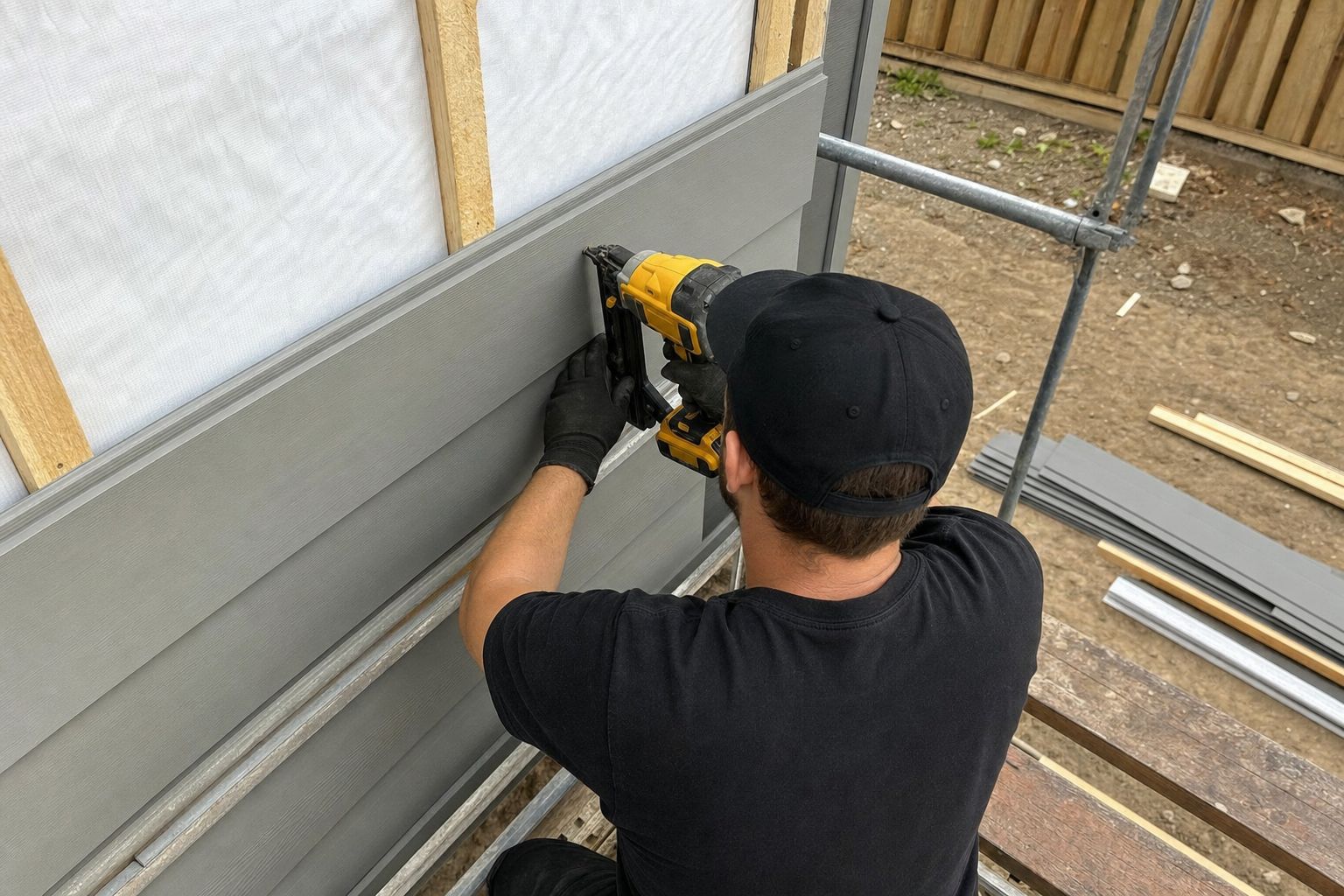
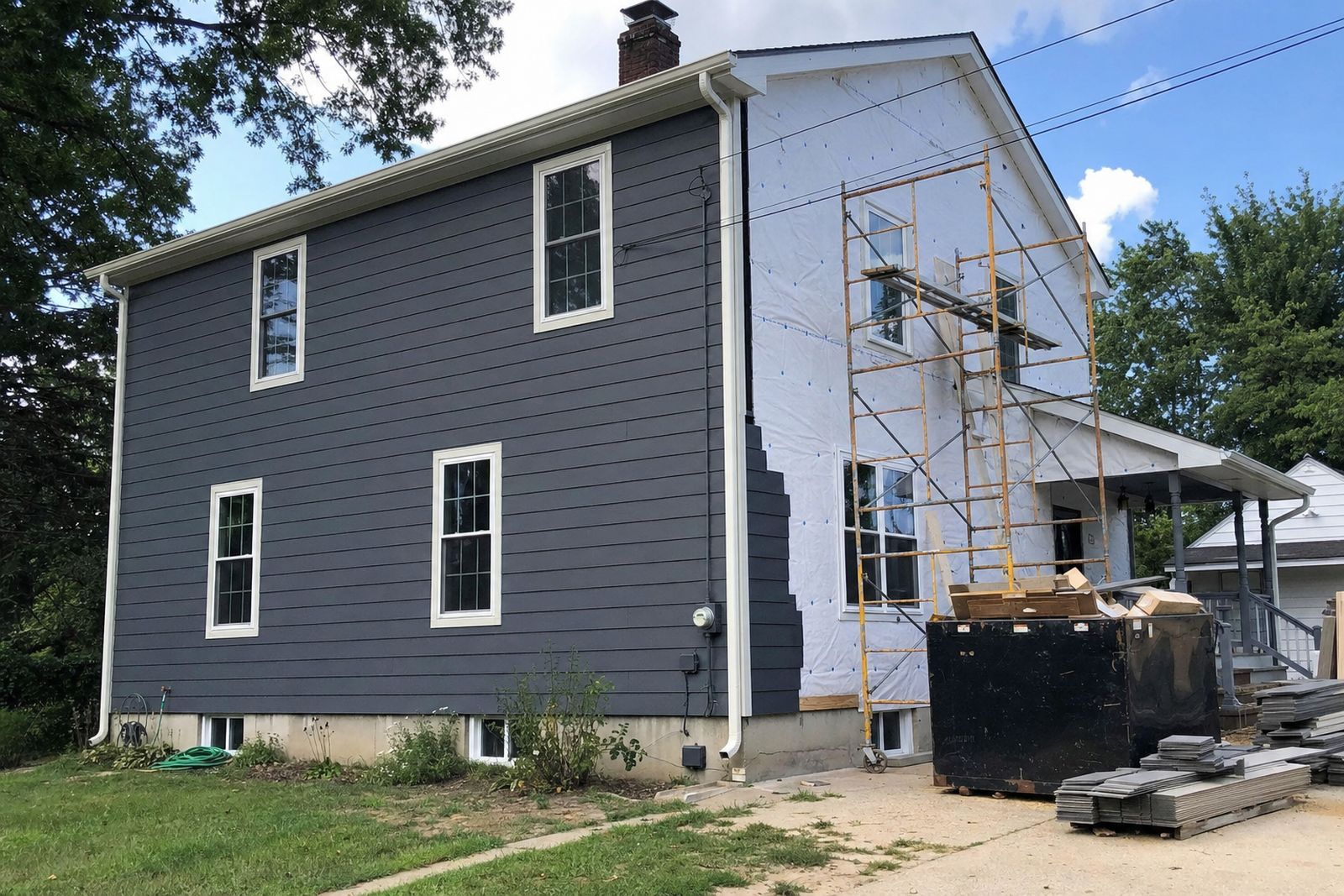
Fiber cement lap going up over fresh housewrap on a Spokane two-story re-side.
Answers for Spokane Homeowners
How much does siding replacement cost in Spokane?
It varies by scope — wall area, stories, tear-off condition, opening count, and material drive the number. We don't quote from formulas; we quote fixed prices from a walkthrough, and estimates are free.
Do I need a permit to re-side my house?
Generally yes for a full re-side. Which office it runs through depends on your address — City of Spokane inside city limits, Spokane County for unincorporated addresses. We confirm the requirement and pull the permit as part of the job.
What's the best siding for Spokane's climate?
Fiber cement handles our specific mix — freeze-thaw cycling, dry 90s-to-100s summers, hail, and wildfire ember exposure — better than anything else at its price. LP SmartSide is a close second with better impact resistance. Both outperform the hardboard and early vinyl they typically replace.
Can siding be installed in winter?
Yes. Boards and trim install fine in cold weather; caulking and touch-up coatings wait for their temperature windows and we sequence around that. Winter booking often means a shorter wait.
How long does a full re-side take?
Several days for a simple single-story up to a few weeks for a large or layered older home. Tear-off surprises are the usual stretch factor, which is why we probe walls at the estimate.
Should new siding go over the old?
We almost always recommend against it. Overlay hides the sheathing problems Spokane's older walls are prone to and shallows out the flashing at every opening. Tear-off costs more up front and is nearly always worth it.
Is fiber cement worth the premium over vinyl?
On a long-term home, usually — longer service life, better fire and hail resistance, and a paint-grade finish. On a rental or a short-horizon budget, modern vinyl can be the smarter spend. The right answer depends on your plans for the house, and we'll walk through both numbers.
What if you find rot under my old siding?
On homes past a certain age, we expect some — usually at bottom courses and under windows. Our contracts state contingency terms in advance: discovery is photographed, repair is priced from pre-agreed terms, and you approve before we proceed.
Do you replace windows during a re-side?
Yes, and if your windows are within a few years of needing it, doing both at once integrates flashing and trim properly and saves redoing work later. One crew, one schedule.
How do I verify a Spokane siding contractor's license?
Use the Washington State Department of Labor & Industries "Verify a Contractor" lookup. Enter the business name or license number and you'll see registration status, bond, and insurance. Ours is DAVYDCI833NC — check it before you sign anything, with any contractor.
Licensing and Service Area
Domex Construction is registered in Washington as DAVYDCI833NC — verifiable through the L&I contractor lookup — and licensed in Idaho (RCE-66940) for our work across the state line. We're fully insured, and you can ask about our workmanship warranty alongside the manufacturer warranties on Hardie, LP, and vinyl products at your estimate. From Spokane we serve the whole metro and a 100-mile radius, with dedicated service pages for Spokane Valley, Liberty Lake, Cheney, Deer Park, and the North Idaho communities.
Ready to see what your walls actually need? Give us a call or request an estimate online — walkthroughs are free, and the written spec is yours to compare against anyone.