
Siding Installation & Replacement in Lewiston, Idaho
Siding replacement in Lewiston, Idaho built for banana-belt sun and heat. Hardie Preferred contractor, Idaho licensed. Free on-site estimates.
$1,000 Off
Your Complete Siding Replacement
Get a Free Estimate
FREE same-day estimates on all exterior projects.








Two housing eras define siding work in Lewiston, and they sit a grade apart. Normal Hill built out early — this was Idaho's first territorial capital, and the tree streets above downtown still carry early-1900s homes wearing original cedar lap, built-up corner boards, and porch trim under generations of paint. Up on the bench, the Lewiston Orchards filled in after the war: single-story ranches on old irrigated orchard tracts, sided in whatever each decade favored — hardboard, T1-11, aluminum, then vinyl as the first re-side cycles came due. An estimate on the Hill and an estimate on the bench are two different conversations, and we treat them that way.
The thread tying them together is sun. The LC Valley is the lowest, hottest, least-snowy corner of the country we serve — roughly 740 feet at the Snake–Clearwater confluence, summer runs past 100 degrees, winters that rarely hold snow for a week. Every lesson we apply up north gets rewritten here: the threat isn't meltwater against a bottom course, it's fifteen summers of UV on the south and west walls. Domex Construction is a James Hardie Preferred Contractor, licensed in Idaho (RCE-66940), and we run Lewiston projects as scheduled multi-day crew trips so the job moves continuously once it starts.
Hill, Flats, and Bench: What's Actually on the Walls
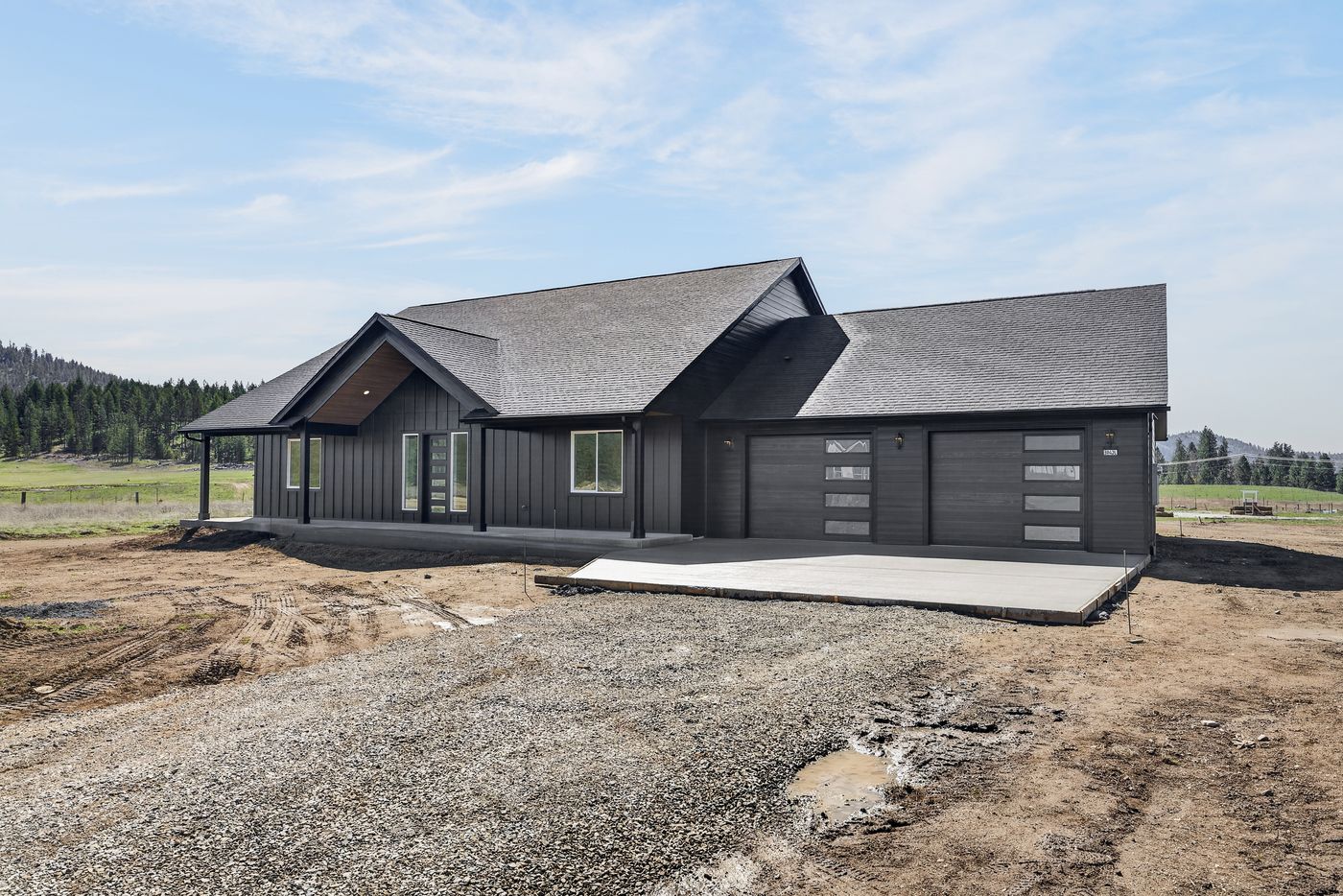
Normal Hill. The century homes usually have good bones — dry climates preserve wood, and the original cedar under all that paint is sounder than it looks. What fails is the finish: paint chalked to powder on the sun sides, caulk split at every trim intersection, checking where the film finally quit. These are detail-heavy walls with real trim profiles worth keeping, so the job is as much carpentry as it is siding.
The downtown flats. The older blocks between the rivers carry layered history — mid-century shingle products over original wood is common, and grit from a working mill-and-port town settles on everything. Tear-off bids here assume layers until a probe proves otherwise.
The Lewiston Orchards. The bench is where most of our Lewiston siding volume lives. Hardboard from the ranch era is past its service life, and it tells you where the sprinklers reach: the Orchards grew up on irrigation, and the swollen bottom edges line up with the spray pattern. The nineties vinyl that replaced some of it has faded unevenly, gone brittle around fastener heads, and chalks off on your hand.
What Sun Does That Snow Never Could
Heat damage runs on two clocks. The slow one is UV: it breaks down the resin binders in paint and in vinyl itself — why a south wall looks two decades older than the north wall of the same house. The fast one is daily thermal cycling — a dark wall can pass 150 degrees on a July afternoon and drop 60 degrees overnight, cycling that works every joint, fastener, and caulk bead until something opens. Caulk in this valley doesn't stay flexible and slowly wear out; it dries, hardens, and splits.
Vinyl gets the worst of it. Panels soften in afternoon heat and can distort permanently, and we've seen the concentrated reflection off a neighbor's low-E windows ripple a vinyl wall like bacon. Hardboard fails from both directions at once — sun destroys the paint from above, sprinklers feed the raw edges from below. The swelling on an Orchards rancher happens in July, not spring thaw. Flashing still matters as much as anywhere; the priority list is just upside down.
Materials for a Hot, Dry Valley
James Hardie fiber cement is our first recommendation for full-sun exposures. The material stays dimensionally stable through the valley's temperature swings — no softening, no distortion — and the ColorPlus factory-baked finish holds color under this UV years longer than field paint. On a west-facing wall above a concrete driveway, that finish is the difference between repainting at year eight and not thinking about it.
LP SmartSide earns its place on the bench. The long board lengths suit the Orchards' low, unbroken ranch walls — fewer seams across a 40-foot elevation — and engineered wood shrugs off ladder dings and hail. Two disciplines apply: every field cut gets sealed, and we steer full-sun walls toward lighter factory colors, because engineered wood carries dark-color heat limits that this valley will absolutely test.
Vinyl still has a lane — shaded exposures, light colors, heavier-gauge panels, budget-driven scopes — and we'll say plainly where it doesn't belong. Too many of the failed panels we tear off in Lewiston died of heat, not age.
What Moves the Number
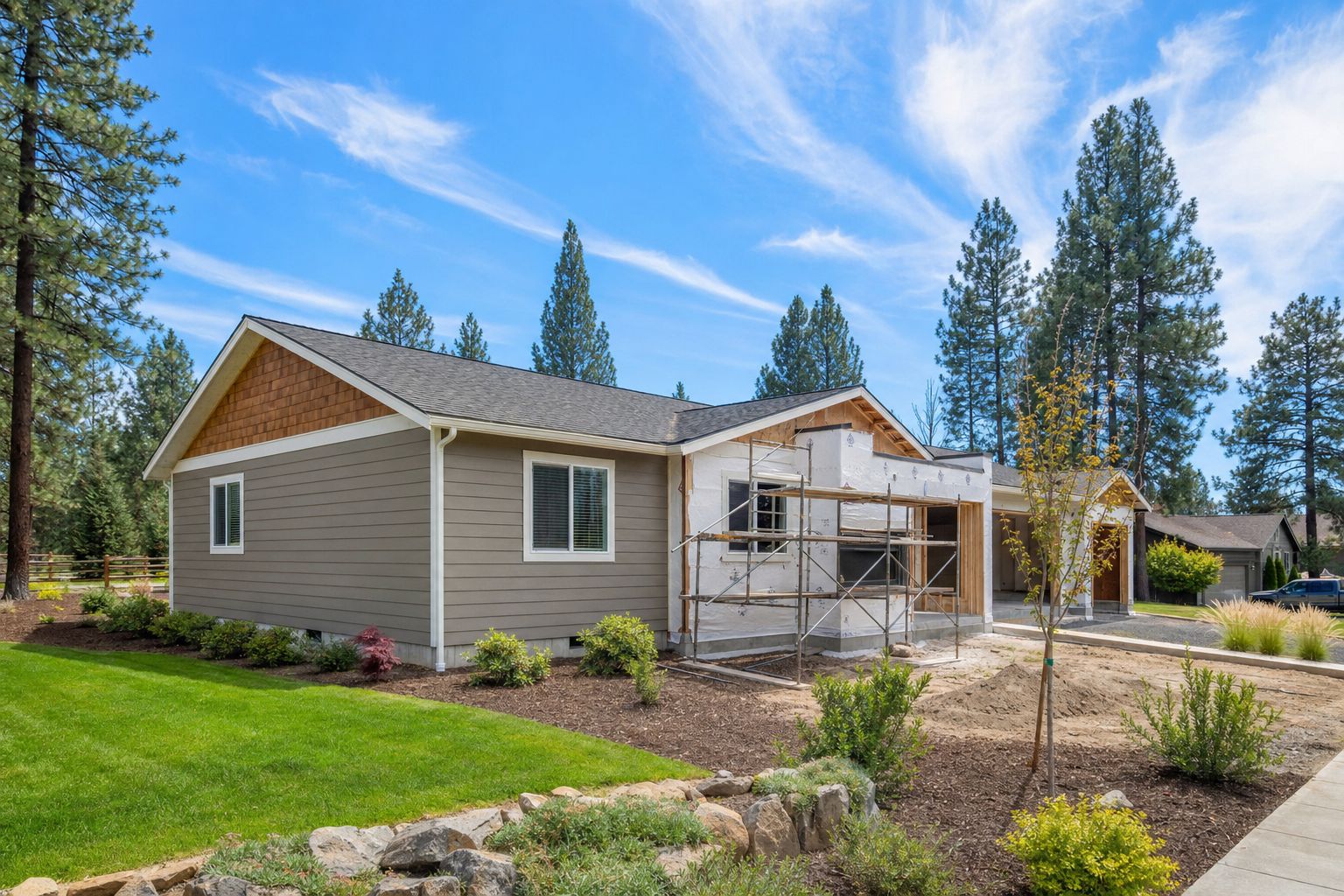
Stories and access set the spread. A two-story on Normal Hill's slopes with period trim carries staging and detail hours; an Orchards single-story rancher is the most efficient re-side economics in our range. Tear-off layers are the next variable — older homes near downtown can carry two sidings over the original. Rot repair is a smaller line item here than in our northern counties but not zero — sprinkler zones, planter beds tight to the wall, shaded north corners. Old paint layers on pre-1978 homes get handled with proper containment — planned time, not a surprise. Material choice rounds it out, and the post-walkthrough quote is a fixed written number, not a per-square guess.
How a Lewiston Re-Side Runs
- Walk the walls with us. We read each exposure separately — south and north faces are different problems — and probe where hardboard or trim looks soft.
- Get a written spec. Product, color, trim package, flashing details, and what happens if hidden damage turns up, all on paper before you sign.
- We pull the permit. Re-side work in town runs through City of Lewiston permitting; we file it and fold inspections into the schedule.
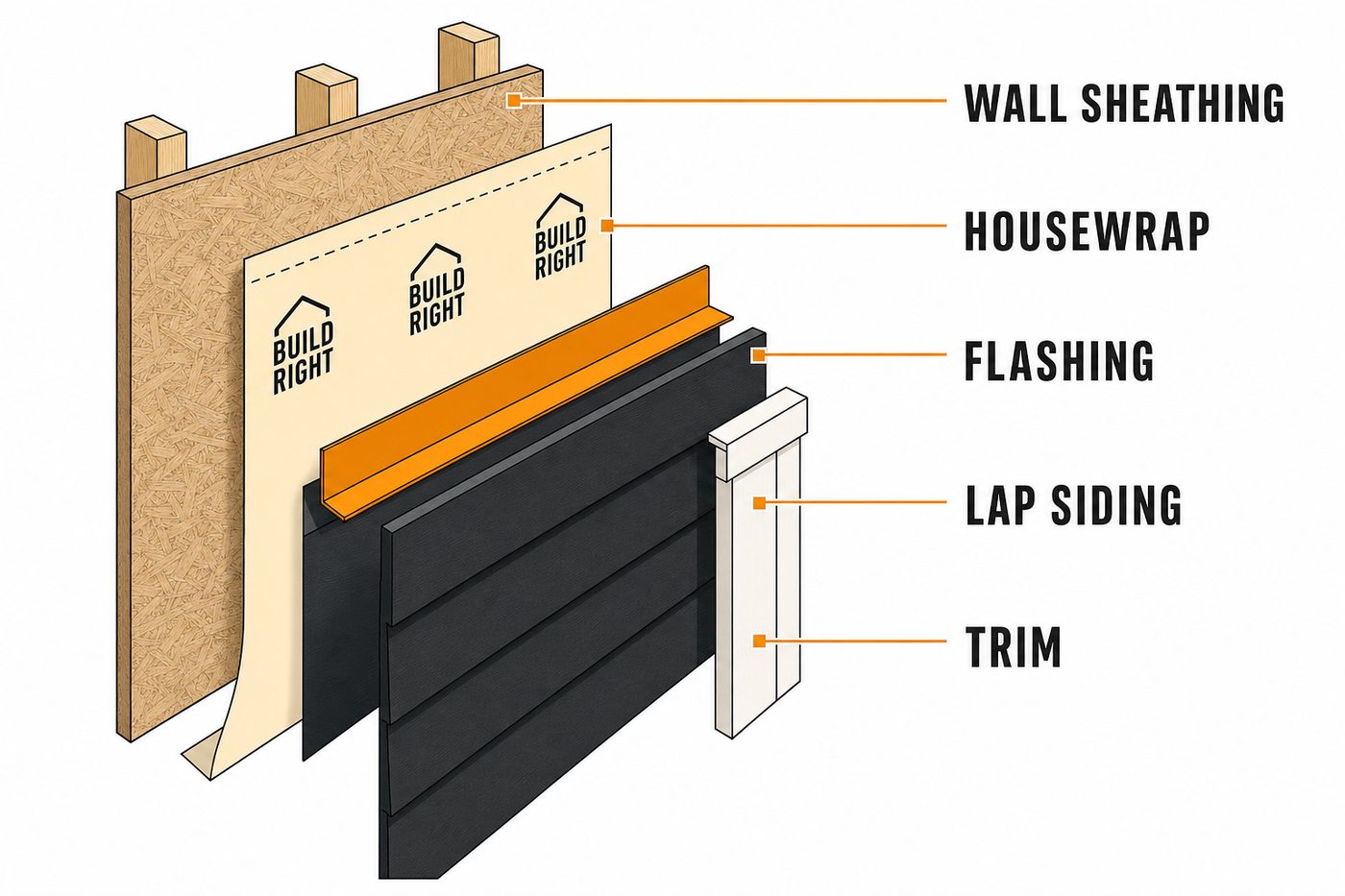
- Tear-off and correction. Layers come off, sheathing gets repaired where needed, and wrap and flashing go on right — the stage that decides how the next 30 years go.
- Install and final walkaround. Boards to manufacturer spec, penetrations sealed, site cleaned, every wall reviewed with you.
Scheduling and the Trip South
Lewiston sits at the far south end of our range, so we run it in scheduled multi-day trips — the crew arrives with the job planned end to end and works consecutive days until it's wrapped. The valley also gives us the longest siding calendar we have: mild winters keep caulk and coating temperature windows open most of the year, so off-season installs are genuinely practical here. In July and August we sequence walls to chase shade and start mornings early — partly for the crew, partly because sealants have upper temperature limits too.
Lewiston Siding Questions
Is fiber cement worth it over vinyl here?
On sun-hammered exposures, yes — the valley's heat and UV are exactly what vinyl handles worst and fiber cement handles best. On a shaded or budget-limited project, quality vinyl in a light color can still be a defensible call.
Can I pick a dark siding color?
With ColorPlus fiber cement, yes. With vinyl or engineered wood on a full-sun wall, we'll push back — dark finishes drive surface temperatures past what those materials tolerate long-term.
Can you install siding in the summer heat?
Yes. We shift to early starts, rotate to shaded walls, and time sealant work around product temperature limits. Winter is the underrated season here — mild enough for nearly everything.
Do I need a permit to re-side in Lewiston?
Work inside city limits goes through City of Lewiston permitting. We handle the filing and inspections.
My sprinklers hit the house. Is that a real problem?
On hardboard, it's the number-one killer we see in the Orchards. Adjusting heads costs nothing; siding already swollen at the bottom edge is telling you it's done.
Does hiring a Spokane-based crew cost me more?
No — LC Valley jobs are bid the same and run as committed multi-day trips with a continuous project window.
Should windows happen at the same time?
If yours are near replacement age, yes — doing both while the walls are open gives cleaner flashing integration for less total money, and we install windows too.
Licensed on Both Sides of the River
Domex Construction carries Idaho license RCE-66940 — verifiable through the Idaho Contractors Board — plus Washington license DAVYDCI833NC, which matters in this valley because Clarkston and Asotin sit on the Washington bank. One contractor, both sides of the river, fully insured, nine years in business with 32 years of combined crew experience. From Lewiston we serve Normal Hill, the downtown flats, the Lewiston Orchards, Clarkston (WA), Asotin, Lapwai, and the wider LC Valley.
Want a straight read on your walls before another summer bakes them? Free on-site estimates across the LC Valley. Give us a call or request an estimate online.
More from Domex in Lewiston: Window Replacement in Lewiston · Custom Decks in Lewiston · Custom Home Builder in Lewiston · Siding Installation — Spokane hub