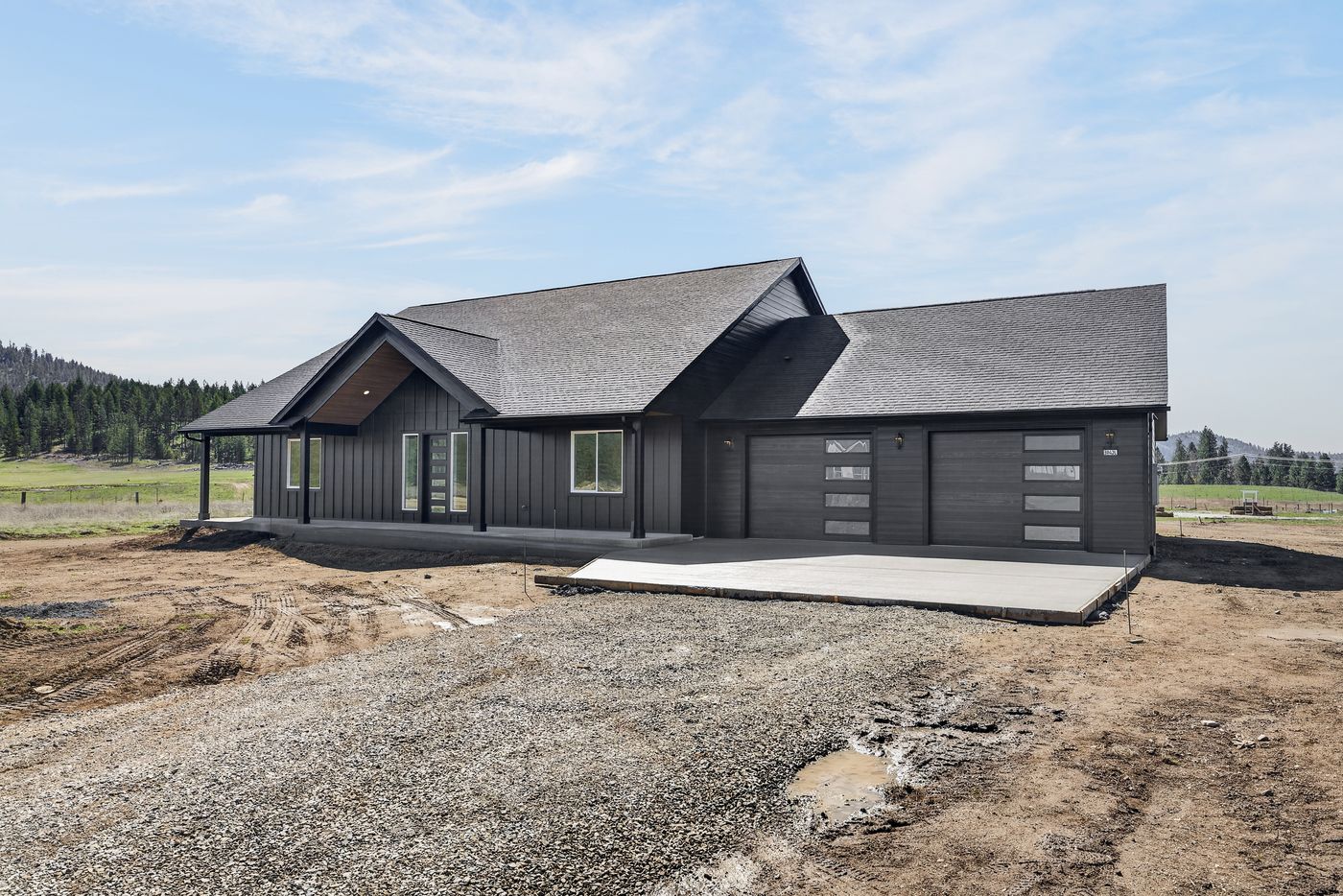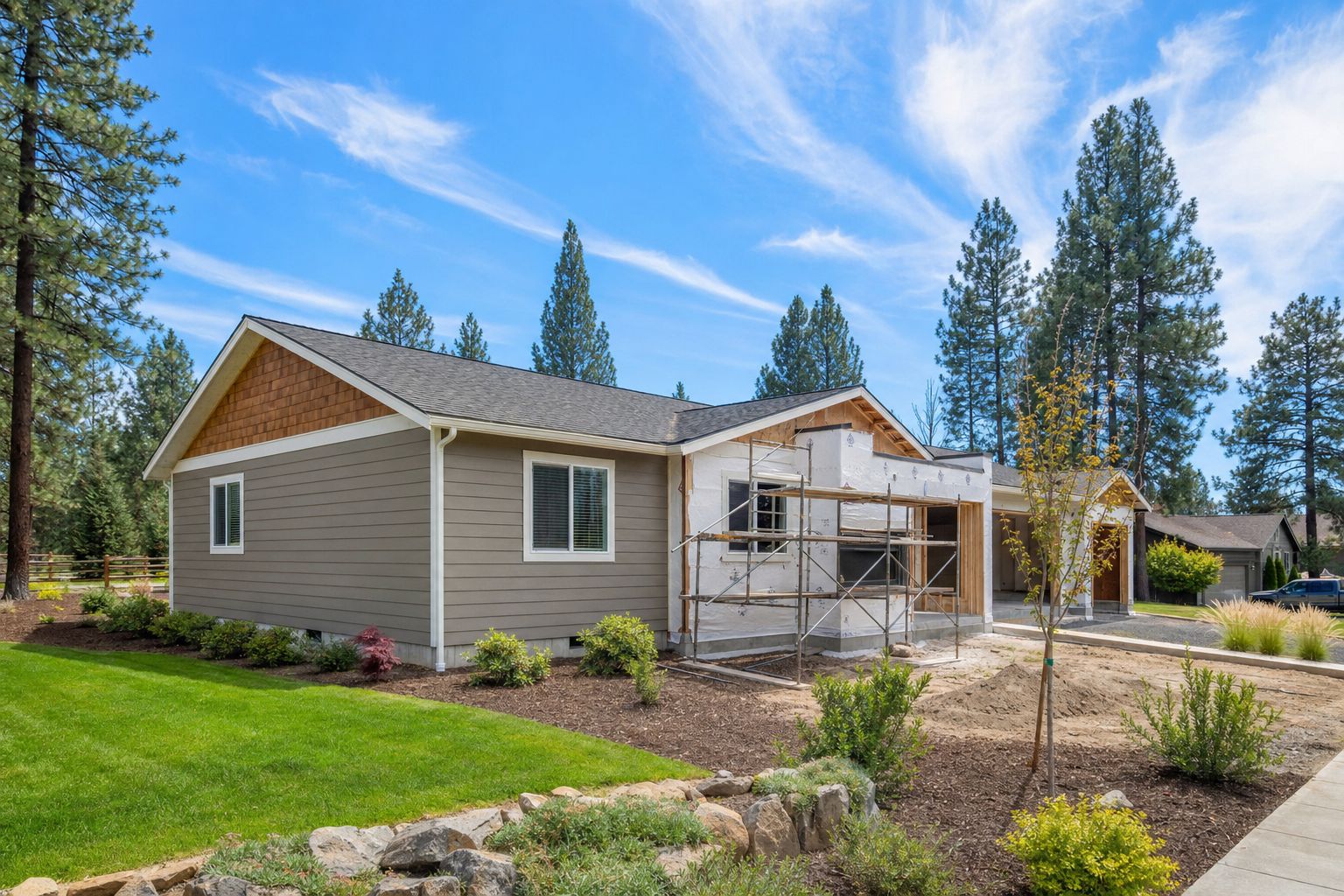

Siding Installation & Replacement in Airway Heights, WA
Siding replacement in Airway Heights built for West Plains wind and sun. Hardie Preferred contractor, LP SmartSide installs. Free estimates.
$1,000 Off
Your Complete Siding Replacement
Get a Free Estimate
FREE same-day estimates on all exterior projects.








Airway Heights sits on a plateau with nothing to slow the wind down. West of Spokane the land opens into the West Plains — no ridgeline, no tree canopy, no valley wall — and weather that crosses that flat ground arrives at your house at full speed. Siding is the first part of the home to know it: it takes the gusts, the full-day sun, and the snow that drifts against the windward walls all winter.
The housing here is young. Airway Heights has grown to around eleven thousand people and ranks among the fastest-growing cities in Washington, so most of the stock is 2000s-and-newer builder subdivisions, alongside a significant number of manufactured and modular homes. Young houses, old-feeling siding — that combination is the core of our work out here. Domex Construction installs and replaces siding across the city under Washington license DAVYDCI833NC, as a James Hardie Preferred Contractor that also installs LP SmartSide and vinyl.
Wind on Every Wall, Sun on the South Face
Builder-grade vinyl is what most Airway Heights subdivisions got at construction, and the plateau works on it two ways.
Wind does the mechanical damage. Thin-gauge vinyl flexes in gusts, fatigues at the nail hem, and eventually unzips — you hear it first as rattling on windy nights, then see a course hanging loose, then find a panel in the yard after a storm. Cold makes it worse: vinyl turns brittle in a January cold snap, and a brittle panel hit by a 40-mph gust cracks instead of flexing. After wind events, the failures we get called to concentrate on the windward corners and gable ends, where pressure is highest.
Sun does the slow damage. With no shade trees on most lots, south- and west-facing walls take ultraviolet exposure all day, every day, plus the glare bouncing off snowpack through winter. That's why so many houses in town have one chalky, faded wall and three passable ones. On darker vinyl colors the sun also causes heat distortion — the wavy, oil-canned look that no amount of cleaning fixes.
Neither problem means the house was built badly. It means the material was chosen for a sheltered market and installed on an exposed one.
Materials That Earn Their Keep on the Plateau
LP SmartSide is our most frequent recommendation in Airway Heights, and the reason is impact. Engineered wood shrugs off hail, wind-thrown debris, and gravel kicked up across open lots — the exact abuse that cracks vinyl and can chip lesser materials. It also comes in 16-foot lengths, which means fewer seams for wind-driven rain to probe, and its fastening schedule can be tightened for high-wind walls without the material complaining.
James Hardie fiber cement wins on rigidity and finish. A Hardie wall doesn't flex, rattle, or oil-can, and the ColorPlus factory finish is the answer to the repaint problem: paint applied in the field on a full-sun plateau wall fades on a short cycle, while a baked-on factory finish holds color far longer. If you're tired of watching your south wall age three times faster than the rest of the house, factory-finished fiber cement is the durable fix.
Vinyl still has a legitimate place in a value-conscious market, and we'll say so. The difference between the vinyl that fails here and the vinyl that lasts is gauge and fastening — a heavier panel, hung with the manufacturer's wind-zone nailing pattern, behaves nothing like the thin builder product it replaces. If the budget says vinyl, we spec it for wind rather than pretending the wind isn't there.
Manufactured Homes: Bid One at a Time, Honestly
A large share of Airway Heights housing is manufactured or modular, and re-siding these homes is real work we do — but we scope each one individually rather than quoting a formula, because the walls vary more than site-built houses do.
Before we price anything, we check stud spacing and wall thickness, what's actually behind the existing skin (some walls carry minimal sheathing or foam board), how much weight the structure should carry, and how the new siding will meet the windows, the roofline, and the skirting. Hardboard-clad units usually convert well to LP SmartSide. Metal-clad units can go either way. And occasionally the honest answer is that the existing siding has years left and the money belongs in windows or skirting insulation instead — if that's what we find, that's what we'll tell you. An estimate that talks you out of a project you don't need is still a good estimate.
What Moves the Price
Airway Heights works in your favor on cost more often than not: simple rectangular footprints, one and two stories, flat lots with easy access. The variables that move a quote are wall area, material tier, trim and window count (every opening is flashing labor), any substrate correction that tear-off reveals, upgraded fastening for exposed walls, and — on manufactured homes — whatever the wall inspection turns up. We quote a fixed price after walking the house, and the spec states in writing how hidden-damage repairs are handled, so the number you sign is the number you plan around.
Five Stages, No Surprises
- Walkthrough. We check the windward corners, probe bottom courses where snow drifts sit, and look hard at the south wall. Free, and specific to your house.
- Written spec. Material, color, trim package, flashing details, fastening schedule, and hidden-damage terms — all on paper before you commit.
- Permit. Re-side work in city limits runs through City of Airway Heights permitting. We file it and track it.
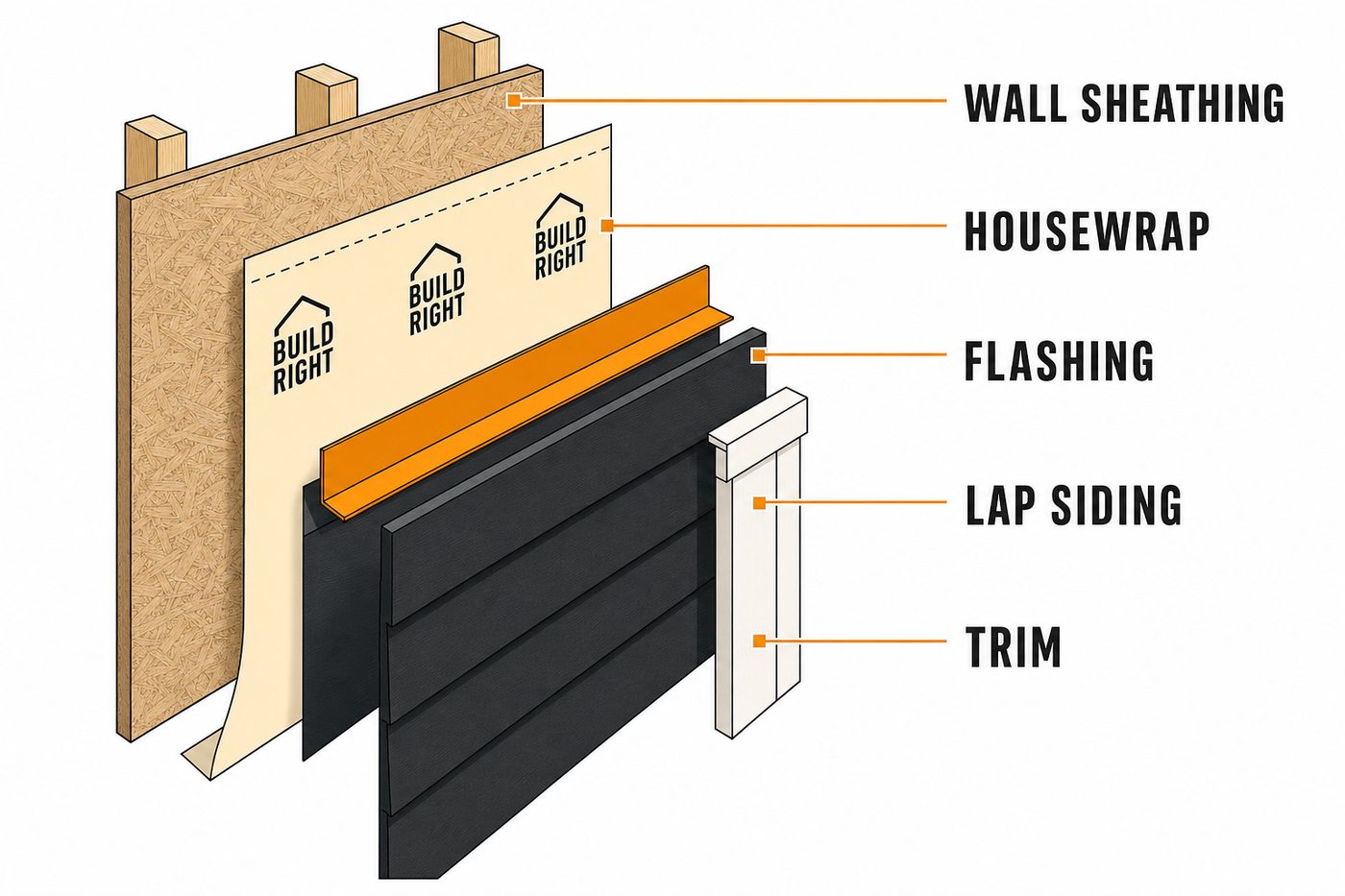
- Tear-off and prep. Old siding off, sheathing repaired where needed, house wrap and flashing detailed for wind-driven rain and drifted snow.
- Install and walkaround. Siding hung to manufacturer spec, penetrations sealed, site cleaned, and every wall reviewed with you before we leave.
Scheduling Around the Wind
Most re-sides here run several days to two weeks depending on house size and material. One local honesty note: we don't hang long boards in strong gusts — it's unsafe and it produces sloppy joints — so a windy week can add a staging day. We build that into the schedule. Spring and summer slots book first; fall and winter installs are workable, with caulking and touch-up sequenced around temperature windows.
Airway Heights Siding Questions
Why does my south wall look so much older than the others?
All-day UV with no tree shade, plus winter glare off snow. It's the standard plateau pattern, and it's the strongest argument for factory-finished materials over field paint.
My vinyl rattles in wind storms. Is that fixable without replacing it?
Sometimes — loose courses can be re-locked and re-nailed. But rattling usually means the nail hems are fatiguing, and re-securing brittle panels often cracks them. We'll tell you which case yours is.
Can you re-side a manufactured home?
Yes, and we do it regularly. We inspect the wall construction first and price from what's actually there. Occasionally we'll advise against it; when we do, we'll explain why.
LP SmartSide or James Hardie for this wind?
Both perform. LP takes impact better and runs longer boards; Hardie is stiffer, quieter in gusts, and its factory finish outlasts paint in full sun. Your walls and budget decide it, not our preference.
Do I need a permit to re-side in Airway Heights?
Work inside city limits goes through the City of Airway Heights. Filing and inspections are part of our job, not yours.
We're a military family and may PCS in a couple of years. Does re-siding pay off?
A tired, wind-damaged exterior is one of the first things buyers and their inspectors mark down. If your siding is failing, replacing it before listing usually returns better offers and a cleaner inspection. If it's merely dated, we'll say so — targeted repairs may be the smarter pre-sale spend.
Will new siding make the house quieter?
Noticeably, in wind. Rigid materials properly fastened don't rattle, and tightening the wall assembly cuts the whistling and drafts that loose vinyl allows.
The Contractor Behind the Quote
Domex Construction has spent 9 years in exterior remodeling, with 32 years of combined experience on the crew, working from Spokane across a 100-mile radius. We're licensed in Washington (DAVYDCI833NC — verifiable through Labor & Industries), fully insured, and a James Hardie Preferred Contractor. Ask about our workmanship warranty at your estimate.
From Airway Heights we cover Cheney, Medical Lake, the Fairchild AFB area, and the rest of Spokane's West Plains.
Ready to put siding on the house that the plateau can't take back off? Free estimates across Airway Heights. Give us a call or request an estimate online.
More from Domex in Airway Heights: Window Replacement in Airway Heights · Custom Decks in Airway Heights · Custom Home Builder in Airway Heights · Siding Installation — Spokane hub