
Vinyl Siding Installation in Spokane
Vinyl siding installation in Spokane done right: quality panels, correct nailing, honest advice. Free estimates from Domex Construction.
$1,000 Off
Your Complete Siding Replacement
Get a Free Estimate
FREE same-day estimates on all exterior projects.








Compare Siding Materials
The three walls we install most, with the tradeoffs stated plainly.
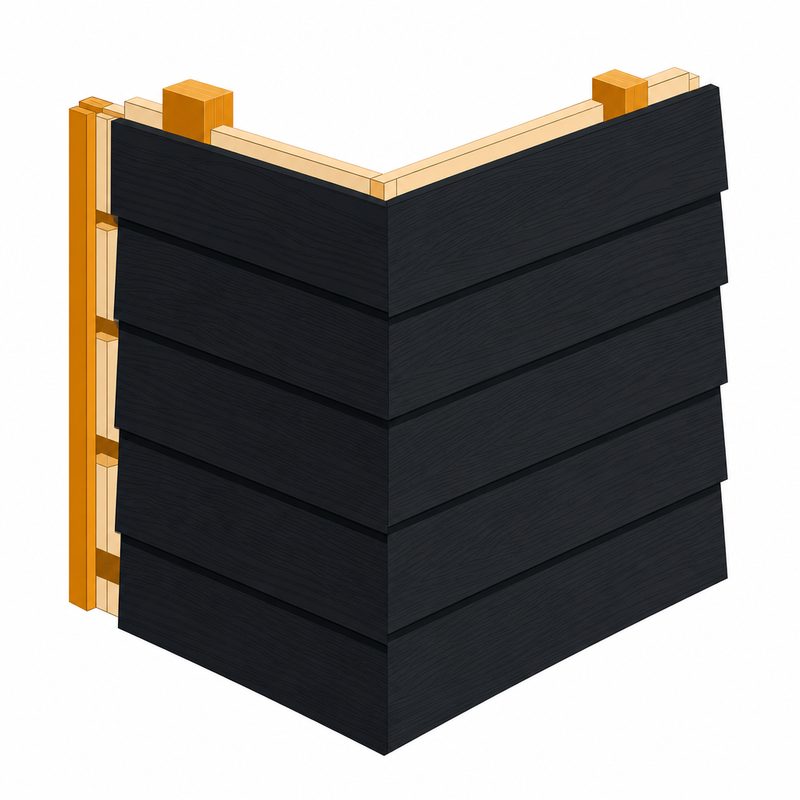
James Hardie
Material: Fiber cement
Best For: Maximum durability & fire safety
Maintenance: Repaint roughly every 15+ years
Fire Rating: Class A, noncombustible
Rot & Pests: Immune to both
Warranty: 30-year limited (manufacturer)
Cost: $$$
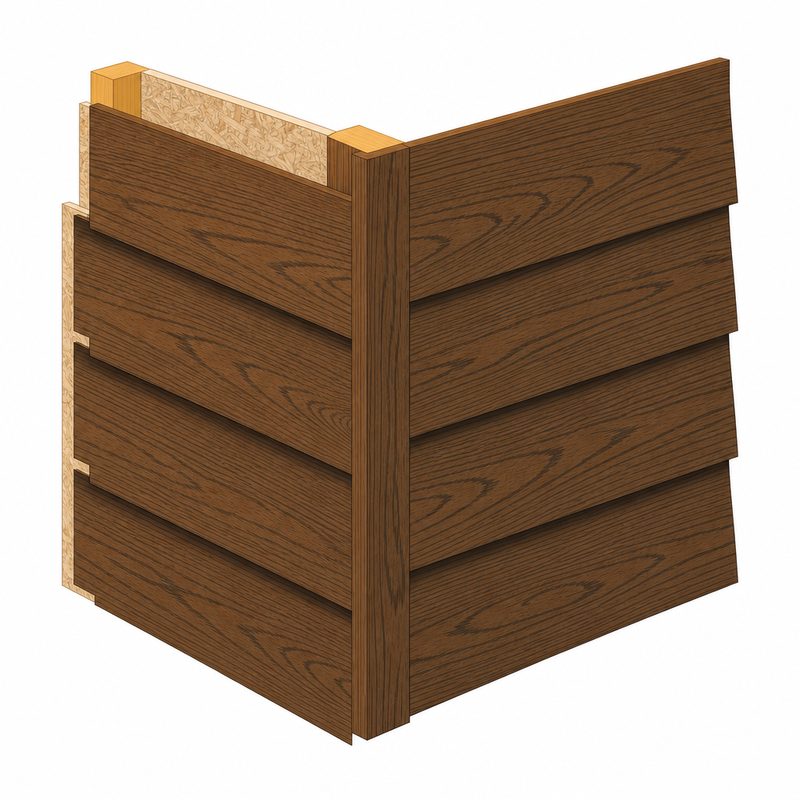
LP SmartSide
Material: Engineered wood
Best For: Wood look, hail & impact resistance
Maintenance: Repaint every 10 to 15 years
Fire Rating: Standard combustible cladding
Rot & Pests: Treated against both
Warranty: 5/50-year prorated (manufacturer)
Cost: $$
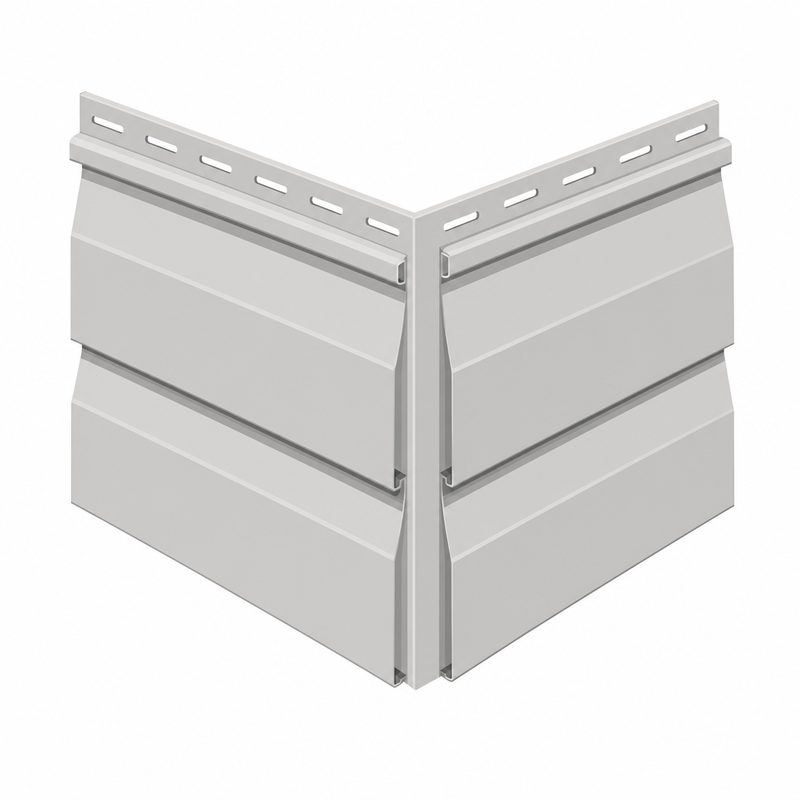
Vinyl
Material: PVC
Best For: Budget projects & rentals
Maintenance: Wash it; never paint it
Fire Rating: Melts near heat sources
Rot & Pests: Immune; can crack in deep cold
Warranty: Varies; often lifetime limited
Cost: $
We install all of the above and will tell you which fits your house, honestly.
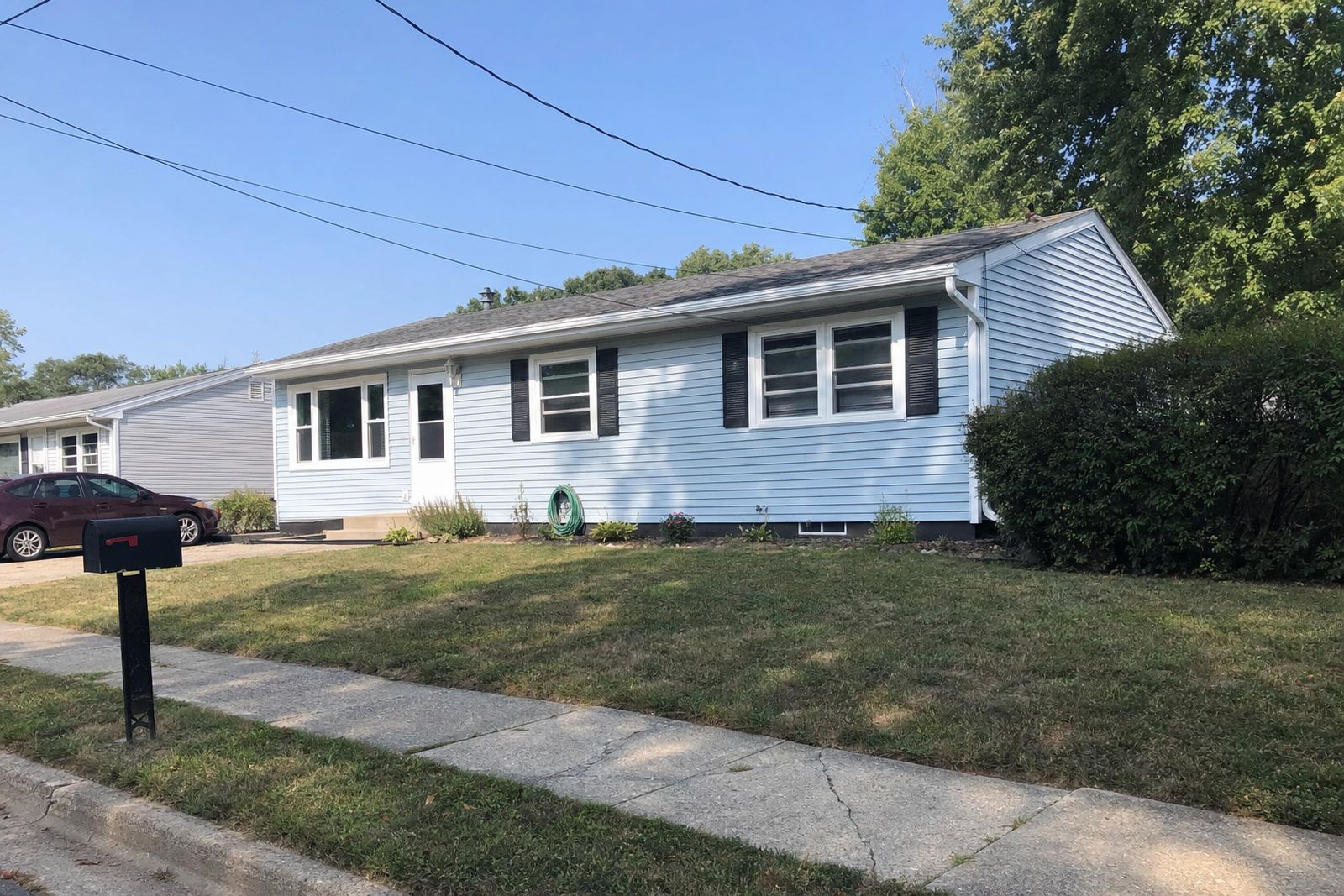
Vinyl gets talked down by contractors who'd rather sell the more expensive board. The straight version: vinyl is the most-installed siding in the country because it's affordable, it never needs paint, and on the right house it's simply the correct answer. A Spokane Valley post-war ranch wearing brittle 1990s panels, a rental that needs to look clean and shed water, a flip on a schedule, an owner who plans to sell inside ten years — those jobs don't need a premium product, they need a good product hung correctly.
That last part is the catch. Vinyl is the most installation-sensitive siding we hang: the gap between a careful install and a careless one shows up on the wall faster and more visibly than with any other material. Domex Construction installs vinyl across Spokane alongside fiber cement and LP SmartSide, so we have no reason to push you off it — or onto it. Washington license DAVYDCI833NC, fully insured, free estimates.
What Quality Tiers Actually Mean
Panel thickness is the first real difference. Builder-grade panels around.040 inch flex in the hand and telegraph every bump in the sheathing; step up a few thousandths and the panel gets noticeably stiffer, hangs straighter, and survives the ladder-against-the-wall moments of ownership. Thicker panels also carry deeper lock legs, which resist wind lift — relevant on gusty Valley and prairie-edge lots.
Insulated vinyl is the top tier: a contoured foam backing bonded to the panel. The insulation gain is real but modest — think a small bump in wall R-value, not a furnace-bill transformation — so buy it for the rigidity instead. The foam makes the panel behave like a plank, keeps long walls flat, and quiets the hollow rattle standard vinyl makes in wind. On a large, plain wall it's the difference between vinyl that reads as vinyl and vinyl that reads as siding.
How Vinyl Behaves in Spokane — and How We Hang It
Spokane runs roughly a hundred degrees between January nights and July afternoons, and a vinyl panel physically grows and shrinks across that swing. Every trained move in a vinyl install exists because of it. Nails go in the center of the slot, driven snug but not tight — the panel has to hang and slide, which is why the trade calls it the loose-nail rule. Panels get expansion room where they die into J-channel. Face-nail a panel or pin it tight and the first hot week buckles it into waves you can see from the street; most wavy vinyl in the Valley is a nailing failure, not a product failure.
Three more local realities, told straight. Cold makes vinyl brittle, so a January impact — snowblower gravel, a sled into the skirting — can crack a panel that would have shrugged the same hit off in June; keep a few spare squares from your job. South-facing walls fade faster in our high-UV summers, and dark colors show it first. And vinyl melts: a grill against the wall, or focused reflection off a neighbor's energy-efficient windows, will warp panels — we look for reflection risk during the estimate because it's cheaper to plan around than to repair.
When will we talk you out of vinyl? On South Hill and Perry District character homes, where it erases detail the house's value depends on, and for long-horizon owners, where fiber cement's stability and finish life win the math — our James Hardie page makes that case. Everyone else gets a vinyl bid without a lecture.
Our Process
- On-site estimate — measurements, a check of what's under the current siding, and a straight talk on tiers. Free.
- Written spec — panel line, thickness, insulated or standard, colors, trim, and rot-contingency terms.
- Permitting — City of Spokane or Spokane County, handled by us.
- Tear-off and inspection — old siding off, sheathing and moisture problems corrected, wall wrapped and flashed.
- Install and walkthrough — panels hung to move, expansion gaps at every termination, verified with you at completion.
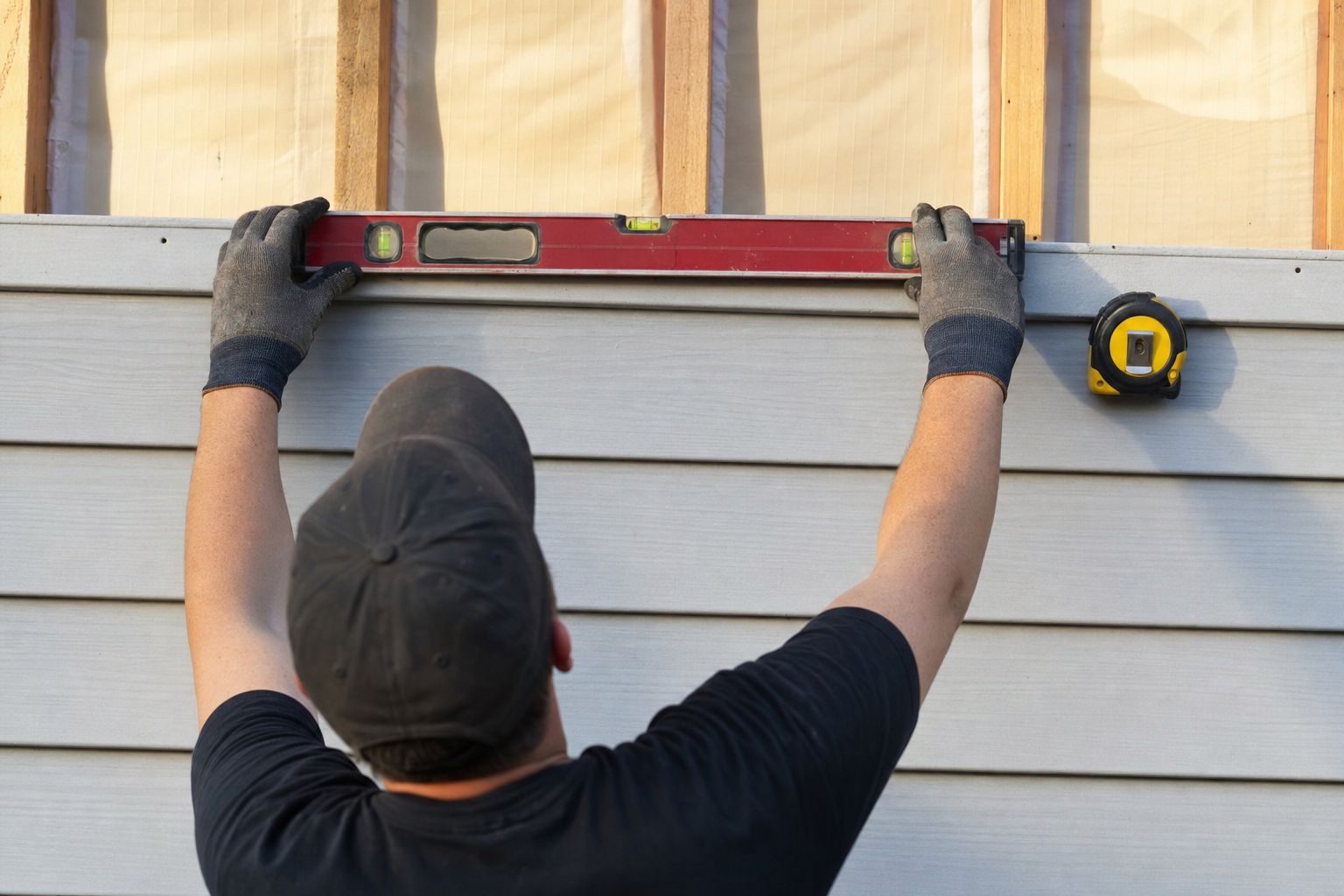
Every course gets checked for level before the next one goes on.
FAQs
How long does vinyl siding last in Spokane?
A quality panel installed correctly runs decades; sun exposure and impact history decide the cosmetic end of life before the panel itself quits. The builder-grade vinyl we replace usually failed early from thin panels, tight nailing, or both.
Can you install vinyl over my existing siding?
Usually tear-off is the right call. Going over old siding traps whatever moisture problems exist behind it, and the inspection we do at tear-off is where rot gets found while it's still a small fix.
Is insulated vinyl worth the upcharge?
For rigidity and appearance on big visible walls, often yes. For energy savings alone, no — the R-value gain is modest, and we'll say so rather than sell it as a heating fix.
Can vinyl be installed in a Spokane winter?
Yes, with cold-weather technique — panels are cut and fitted accounting for how contracted they are, so summer expansion has room. We install year-round.
What maintenance does vinyl need here?
A rinse when it's dusty, kept clear of grills and heat sources, and an occasional check of caulking at penetrations. No painting — that's the point.
Service Area & Licensing
Vinyl installs run throughout Spokane, Spokane Valley, Millwood, Liberty Lake, Cheney, Mead, Airway Heights, and Deer Park, plus Coeur d'Alene and Post Falls under our Idaho license. Washington license DAVYDCI833NC — verifiable through the WA Department of Labor & Industries contractor lookup.
Ready for numbers on your re-side? Free on-site estimates across greater Spokane. Give us a call or request an estimate online.